
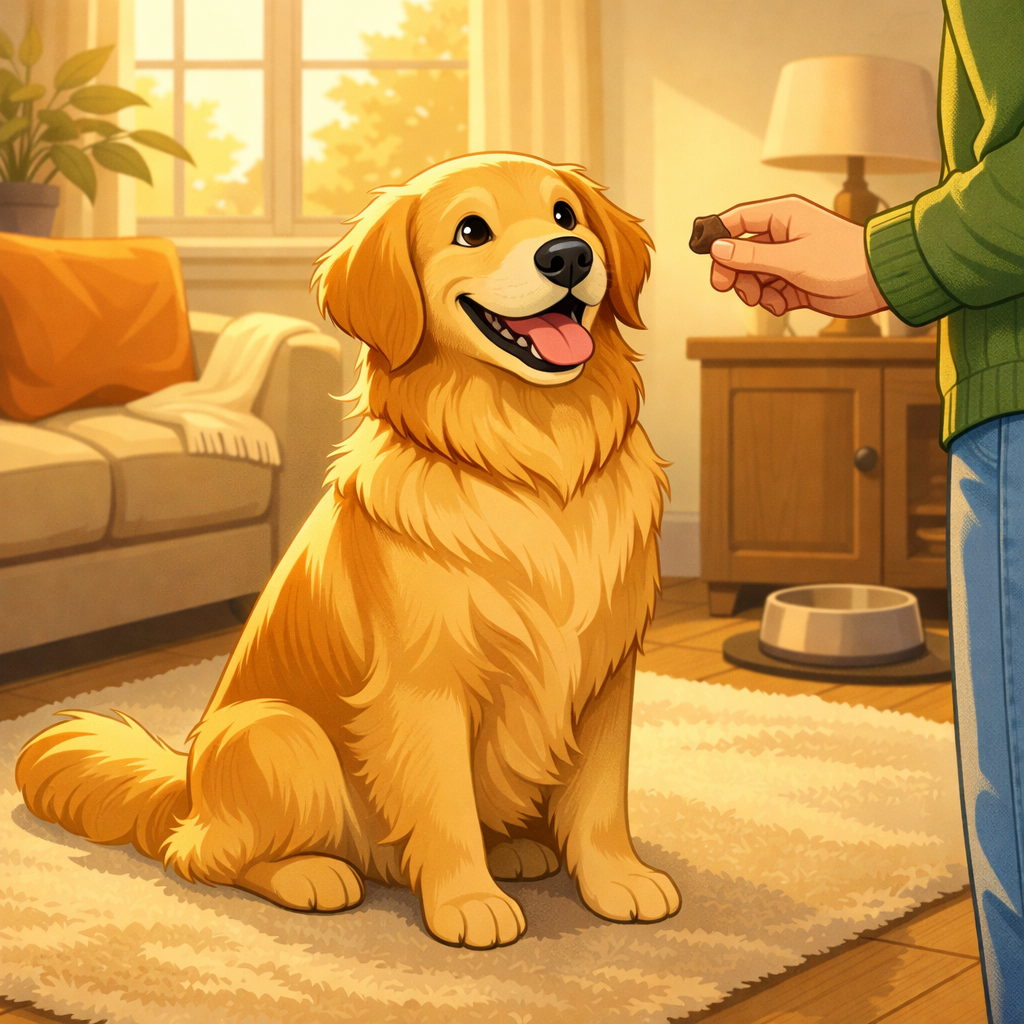
The Foundation of Positive Reinforcement Dog Training
As dedicated pet parents, we all strive to create a bond with our canine companions built on trust, safety, and mutual respect. When it comes to teaching our furry friends how to navigate the world, positive reinforcement dog training stands out as the most effective and humane approach. Whether you are exploring our comprehensive dog care resources or just bringing a new rescue home, understanding how your dog learns is the first step toward a harmonious household.
Positive reinforcement is not just about giving treats; it is a scientifically backed method that emphasizes rewarding the behaviors we want to see repeated while ignoring or gently redirecting behaviors we don’t. Research shows that animals learn far more effectively when they are motivated by rewards—such as high-value treats, praise, or play—rather than fear or intimidation. By focusing on force-free methods, we help our dogs build confidence and a genuine desire to cooperate with us.
Why Force-Free Matters
At Pawsitive Hoomans, we are firm believers in the power of kindness. When we rely on punitive measures or aversive training tools, we risk causing unnecessary stress, anxiety, and even physical harm to our pets. Aversive training can often lead to ‘learned helplessness,’ where a dog stops trying to engage with their environment because they fear making a mistake. In contrast, positive reinforcement encourages curiosity and problem-solving. It transforms training from a chore into a game that both you and your dog will look forward to.
The Role of Timing and Consistency
The core of successful positive reinforcement is timing. You have a very narrow window—typically under two seconds—to reward your dog after they perform a desired behavior. This is why many trainers use a ‘marker,’ such as a clicker or a specific word like ‘Yes!’, to bridge the gap between the behavior and the reward. The marker tells the dog exactly which moment they performed correctly, making it much easier for them to associate that specific action with the upcoming treat.
The Pawsitive Hoomans Take
At Pawsitive Hoomans, we view training as a language. If your dog doesn’t ‘listen’ to a command, it is rarely because they are being stubborn or dominant; it is usually because they don’t understand what you are asking of them, or the environment is too distracting for them to succeed. Our philosophy centers on setting the dog up for success by breaking tasks down into manageable, bite-sized pieces. We believe that ethical sourcing through rescue organizations and lifelong advocacy for our pets starts with providing them the tools to succeed in our human world without fear.
🐾 Keep a complete health record for your pet with our free Pet Passport. Track vaccinations, weight and behaviour in one place.
Managing the Environment
Training isn’t just about what happens during the ‘lesson’; it is about management. If your puppy is chewing your shoes, the first step isn’t just to tell them ‘no’; it is to ensure they don’t have access to your shoes in the first place, while providing appropriate chew toys that satisfy their natural needs. Management prevents the reinforcement of unwanted behaviors. When you combine proactive management with clear reinforcement for good choices, training moves much faster.
The Importance of Enrichment
A tired dog is a good dog, but a mentally stimulated dog is an even better one. Positive reinforcement extends into the realm of enrichment. Utilizing food puzzles, scent work, and trick training provides your dog with a much-needed outlet for their mental energy. When their natural needs are met through these positive channels, you will often find that common behavioral complaints—like excessive barking or destructive chewing—diminish significantly. Always remember that if you are struggling with intense behavioral shifts or sudden aggression, these can sometimes be rooted in underlying health issues. Therefore, we always suggest consulting a veterinarian to rule out pain or medical discomfort before assuming a behavioral cause.
Not sure what your pet needs? Use our free tools — Emergency Triage Guide or Custom Diet Calculator.
Building a Lifelong Connection
Training should be the most fun part of your day. It is an opportunity to strengthen your bond and communicate with your pet in a way that respects their intelligence and emotional life. Whether you are teaching a rescue dog to sit or helping an older pet learn new tricks, the process remains the same: identify the behavior, mark it, reward it, and repeat. By tracking your progress and observing your pet’s comfort levels, you can refine your training strategy over time. Keeping a detailed history of your training milestones can be an excellent way to see how far you have both come, and we highly recommend using a digital training and health record to stay organized throughout your journey.
As pet parents, we are our dogs’ greatest advocates. By choosing positive reinforcement, we provide them with a predictable, safe, and engaging environment. It is a commitment that pays dividends in loyalty and joy for years to come.
Disclaimer: Please remember that Pawsitive Hoomans are not veterinarians. The information provided here is for educational purposes based on general positive reinforcement principles. If your dog displays signs of severe behavioral issues, aggression, or sudden changes in health, please consult your veterinarian or a certified professional dog trainer for personalized guidance and medical evaluation.