
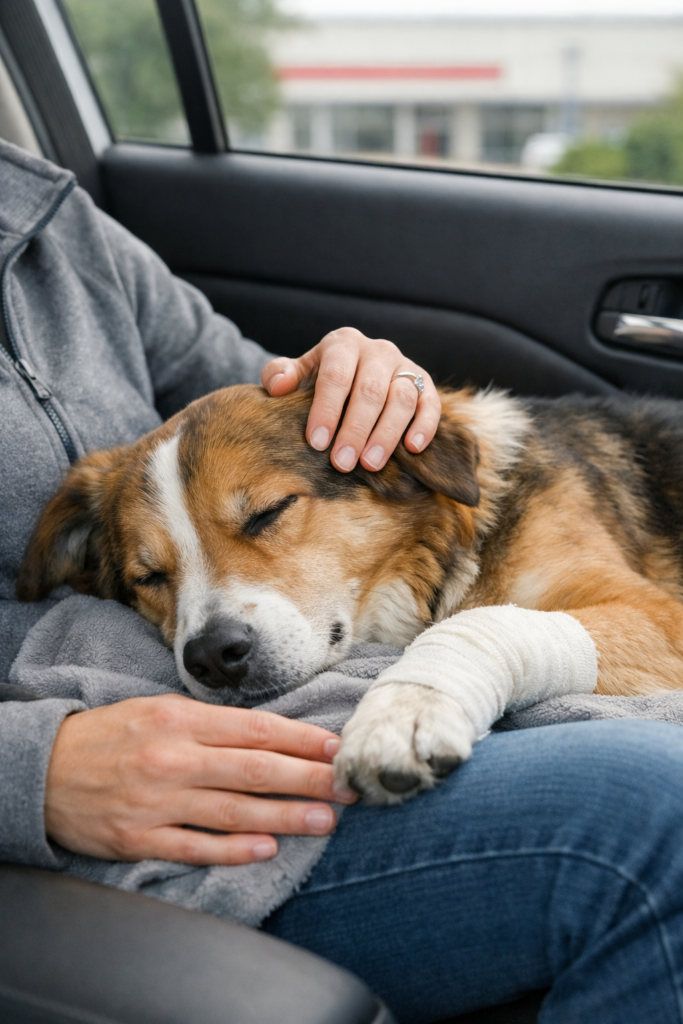
Understanding Dog Snake Bite First Aid
Finding your pup in distress is every pet owner’s nightmare, especially in regions where wildlife encounters are common. Knowing how to react during a dog snake bite first aid emergency can quite literally mean the difference between life and death. As pet parents, we want to ensure our companions stay safe, and for those who share their homes and walks with furry friends, our comprehensive dog care resources are designed to help you navigate these high-stress situations with confidence and clarity.
India is home to a wide variety of both venomous and non-venomous snakes. While not every bite results in envenomation—a phenomenon known as a ‘dry bite’—you should always assume the worst-case scenario until a professional confirms otherwise. In this guide, we will break down the essential steps you must take to protect your pet while you rush to the nearest veterinary facility.
Immediate Action: The First Minutes Matter
If you suspect your dog has been bitten, the most important rule is to remain calm. Your dog senses your panic, and an elevated heart rate can cause blood to circulate more rapidly, potentially spreading venom faster if it is present. The following steps should be taken instantly:
1. Distance Yourself from the Threat
Before you approach your dog, ensure the snake is no longer in striking distance. Do not attempt to catch or kill the snake. Taking a quick photo from a safe distance can be helpful for the medical team to identify the species, but never risk a second bite to yourself.
2. Keep Your Dog Still
Restrict your dog’s movement immediately. If you are on a walk, carry your dog if they are small enough, or walk them slowly and calmly toward your vehicle. Limiting physical activity helps slow the spread of toxins through the lymphatic system.
3. Do Not Attempt ‘Old School’ First Aid
It is vital to mention what not to do. Forget the movies: do not apply a tourniquet, do not attempt to suck the venom out with your mouth, and do not make incisions at the bite site. These actions can cause severe tissue damage, infection, and can even introduce bacteria into the wound. Veterinary experts recommend keeping the bite site clean and neutral while you travel to the clinic.
For an exact understanding of how to manage your pet’s transport during an emergency, consult our free Emergency Triage Guide to keep your pet stable.
The Pawsitive Hoomans Take
At Pawsitive Hoomans, we believe that prevention and preparedness are the cornerstones of responsible guardianship. We advocate for keeping dogs on leashes during hikes, particularly in tall grass or rocky areas where snakes might seek shelter. We also strongly discourage ‘free-roaming’ in areas known to have high snake activity. While we cannot always control the environment, we can control how prepared we are to act when the unexpected happens.
🏥 Is your pet showing these symptoms? Log them instantly in our free Triage Engine inside Pet Passport to get immediate guidance.
Recognizing the Symptoms of a Bite
In many cases, you might not see the actual bite. Look for sudden, inexplicable signs of illness. Common symptoms include severe swelling around the bite site (often on the face or paws), intense pain or sensitivity, excessive drooling, heavy panting, lethargy, or weakness in the hind legs. If your dog collapses suddenly after being in the bush or tall grass, treat it as a medical emergency immediately.
The Role of Antivenom
There is no home remedy or over-the-counter medication that can replace professional veterinary treatment. Antivenom is the only effective treatment for systemic envenomation. Your veterinarian will determine the necessary course of action based on the dog’s symptoms and the species of snake, if known. They may also provide intravenous fluids to support organ function and pain management to keep your dog comfortable.
Not sure what your pet needs? Use our free tools — Emergency Triage Guide or Custom Diet Calculator.
Conclusion
Snake bites are terrifying, but quick, calm, and informed action saves lives. By keeping your dog restrained, avoiding ineffective home treatments, and seeking professional care as quickly as possible, you provide the best possible chance for recovery. Always keep your Pet Passport updated so your vet has quick access to your dog’s history during these stressful moments.
Frequently Asked Questions
Can I give my dog human anti-venom or painkillers for a snake bite?
No, you should never administer any medication, including human pain relief, to a dog suspected of having a snake bite without explicit instructions from a veterinarian. Many human medications are toxic to dogs and could cause further complications or interfere with necessary veterinary treatments.
How long do I have to get my dog to the vet after a bite?
You should aim to get your dog to a veterinary clinic within 30 to 60 minutes of the suspected bite, as time is critical for the administration of antivenom and supportive care. Even if your dog seems fine initially, some venom effects take time to manifest, and waiting for symptoms to worsen can be dangerous.
Are there any natural herbs or oils I can put on the bite?
No, you should not apply any oils, herbs, or household remedies to a snake bite, as these can obscure the wound site, cause local skin irritation, or potentially introduce bacteria into the puncture. Keep the area clean and wait for professional medical evaluation.
Disclaimer: Pawsitive Hoomans provides general information for educational purposes only. We are not veterinarians. Always consult with a qualified veterinary professional for any medical concerns regarding your pet.