
Understanding Dog Heat Stroke: An Urgent Guide
As pet parents living in India, we know all too well how intense the summer months can be. With soaring temperatures and high humidity, our furry companions are at a significantly higher risk for heat-related illnesses. Recognizing the symptoms of dog heat stroke first aid and knowing how to act quickly can quite literally be the difference between life and death. If you have recently brought a new canine family member home or are looking for ways to keep your existing pup safe, our comprehensive dog care resources provide the foundation you need for a happy, healthy life together.
Heat stroke, or hyperthermia, occurs when a dog’s body temperature rises above its normal range and they can no longer regulate it through panting. Unlike us, dogs don’t sweat through their skin; they rely on panting and releasing heat through their paw pads. When the ambient temperature is too high, especially in humid Indian climates, this mechanism fails. Research shows that breeds with flat faces (brachycephalic breeds like Pugs, Bulldogs, and Shih Tzus) are particularly susceptible, but no dog is entirely immune when faced with extreme heat.
The Pawsitive Hoomans Take
At Pawsitive Hoomans, we believe that prevention is the most powerful tool in your kit. However, accidents happen, and being prepared with a solid plan is essential. We advocate for a “safety-first” approach where your dog’s environment is modified to suit the season. This means avoiding walks during peak heat hours (11:00 AM to 5:00 PM), ensuring constant access to fresh, cool water, and providing shaded, well-ventilated resting areas. We strongly discourage the use of force-based cooling methods; instead, we prioritize gentle, progressive cooling. Always remember that any signs of distress should be treated as a potential emergency. While you provide initial support, you should always be in communication with a qualified veterinary clinic to ensure your pet gets the professional medical care they require.
🏥 Is your pet showing these symptoms? Log them instantly in our free Triage Engine inside Pet Passport to get immediate guidance.
Recognizing the Signs of Heat Stroke
Before you can apply first aid, you must identify the warning signs. Keep an eye out for excessive, frantic panting, thick or sticky saliva, bright red or purple gums, lethargy, or weakness. In more severe cases, you may notice stumbling, muscle tremors, vomiting, or even collapse. If your dog exhibits any of these, do not wait for the symptoms to resolve on their own. Time is of the essence, and immediate action is required to lower their internal body temperature safely.
Immediate First Aid Steps
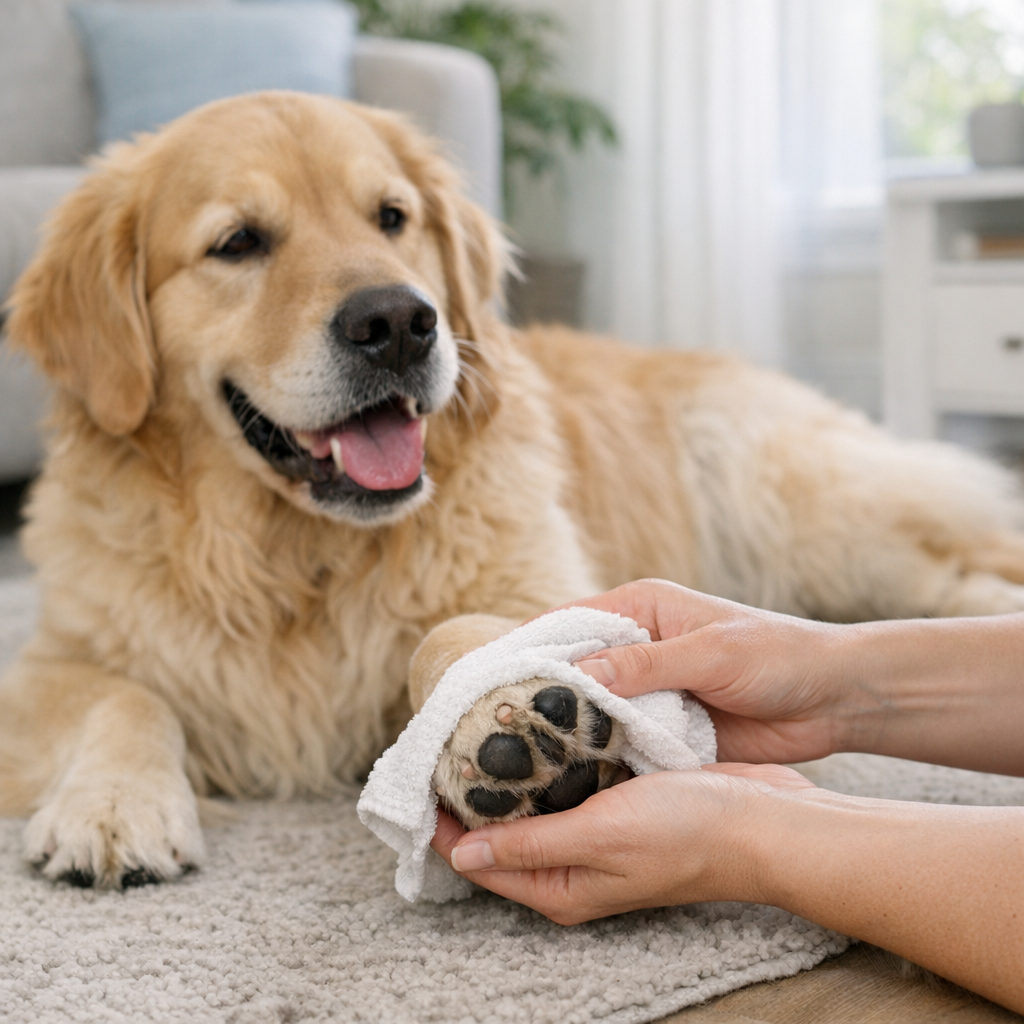
If you suspect heat stroke, the first step is to remove your dog from the hot environment immediately. Move them to an air-conditioned room or a shaded, breezy area. Start the cooling process by placing cool (not ice-cold!) water on their paw pads, ears, and belly. Using ice water can actually be counterproductive because it causes blood vessels to constrict, trapping the heat inside the body rather than releasing it. Focus on dampening these areas and allowing for air circulation, perhaps using a fan to speed up the evaporation process.
Monitor your dog’s temperature if you have a digital thermometer, but do not become fixated on it if it causes a delay in seeking help. Once you have initiated the cooling process, transport your dog to the nearest veterinary facility as quickly as possible. Keep the car air-conditioned or windows open for maximum airflow during transit. For an exact daily portion tailored to your dog’s weight, use the free Dog Diet Calculator at pawsitivehoomans.com/dog-diet/ to ensure they stay at a healthy weight, as obese dogs are significantly more prone to heat-related exhaustion.
Not sure what your pet needs? Use our free tools — Emergency Triage Guide or Custom Diet Calculator.
Long-Term Prevention Strategies
Beyond emergency response, we encourage pet parents to optimize their home for the Indian summer. Consider investing in cooling mats, which can provide a comfortable surface for your dog to lie on. Ensure that your home is properly ventilated and keep your dog indoors during the hottest parts of the day. Hydration is also key; consider adding a little extra water to their meals or providing frozen broth treats to keep them interested in drinking. By keeping a detailed history of your dog’s health and wellness using the Pet Passport, you can spot patterns that might indicate your dog is struggling with the current weather conditions before it escalates into a crisis.
Frequently Asked Questions
Can I use ice cubes to cool down my dog if they have heat stroke?
No, you should never use ice or ice-cold water on a dog suffering from heat stroke because it can cause blood vessels to constrict and trap heat inside the body. Use room temperature or cool tap water instead, focusing on wetting their paw pads, inner thighs, and the bridge of their nose, while ensuring good air circulation with a fan.
How long does it take for a dog to recover from heat exhaustion?
Recovery time depends entirely on the severity of the heat stroke and how quickly the dog received veterinary intervention. Mild cases caught early may recover in a few hours with rest and hydration, but moderate to severe heat stroke can require days of hospitalization to manage organ function and fluid balance.
Is it safe to walk my dog during the evening in Indian summers?
Yes, it is generally safe to walk your dog in the late evening once the ground temperature has cooled down, typically after 7:00 or 8:00 PM. Always perform the “five-second test”: place the back of your hand on the pavement; if it is too hot for your skin to hold for five seconds, it is too hot for your dog’s sensitive paw pads.
Disclaimer: Pawsitive Hoomans provides general information for educational purposes and is not a substitute for professional veterinary advice, diagnosis, or treatment. Always seek the advice of your veterinarian with any questions you may have regarding a medical condition or emergency involving your pet.