
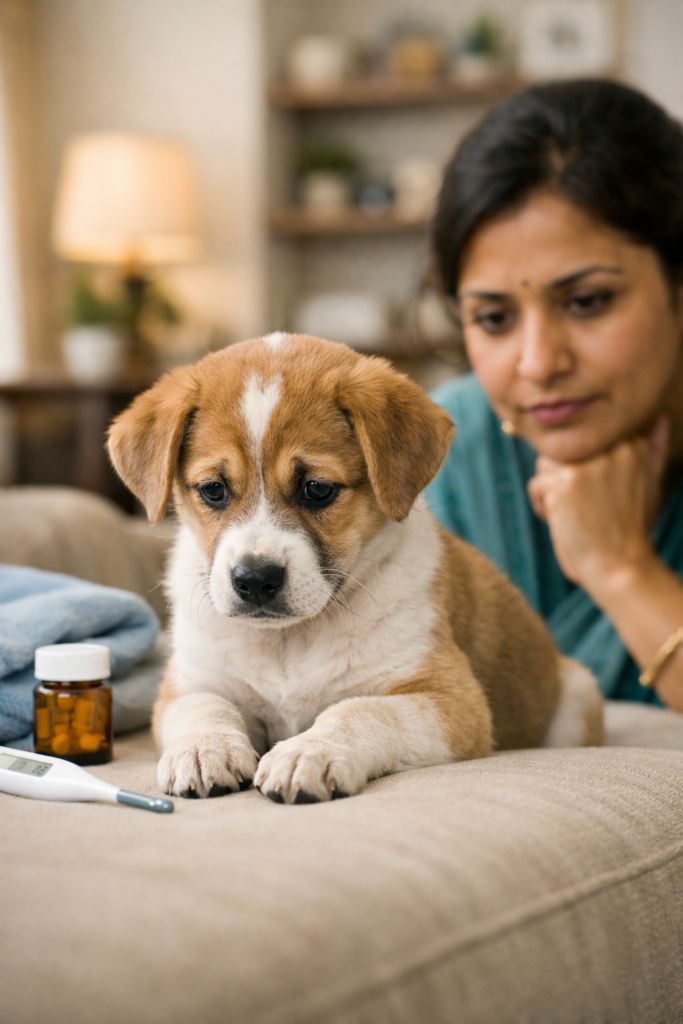
Understanding Parvo Symptoms in Puppies
As dedicated dog parents, one of our greatest fears is seeing our furry companions fall ill. Parvovirus, commonly known as ‘parvo,’ is a highly contagious and serious viral disease that primarily affects young dogs. Recognizing the parvo symptoms in puppies early is the single most important factor in improving their chances of recovery. Whether you are navigating the journey of raising a rescue or caring for a young pup in your home, being vigilant about these clinical signs is a core part of responsible pet ownership. For more comprehensive resources on canine care, we encourage you to explore our dog-hub/, where we cover everything from socialization to early-stage health monitoring.
Parvovirus specifically targets the rapidly dividing cells in a puppy’s body, most notably in the intestines and the immune system. In the Indian context, where humidity and high street-dog populations are common, environmental exposure can happen more easily than many realize. Because this virus is notoriously hardy and can survive in soil for months, prevention and prompt recognition are your best lines of defense.
Early Signs You Must Not Ignore
The progression of parvo can be incredibly rapid. In many cases, a puppy who seems perfectly healthy in the morning can show signs of severe illness by evening. The most classic indicator is sudden-onset, explosive, and often foul-smelling diarrhea, which may contain blood. Along with this, lethargy is a hallmark symptom; you might notice your usually playful puppy becomes unwilling to move, play, or even get up to greet you. If your puppy suddenly stops eating (anorexia) or shows signs of persistent vomiting, these are red flags that require immediate intervention.
Veterinary experts emphasize that puppies under six months of age are the most vulnerable, especially those who have not completed their full vaccination series. Because this virus affects the gut so severely, dehydration follows very quickly, which is often what makes the illness life-threatening. If you notice these symptoms, time is of the essence; please contact your local vet immediately.
The Pawsitive Hoomans Take
At Pawsitive Hoomans, we believe that the best approach to pet health is proactive rather than reactive. While the topic of parvo is frightening, we want to empower pet parents to act with confidence. We strongly advocate for completing the recommended vaccination schedule as outlined by your veterinarian. Never rely on home remedies for such a critical condition—the virus is far too aggressive to be treated without professional, supportive care, which often includes intravenous fluids, anti-nausea medications, and sometimes antibiotics to manage secondary bacterial infections.
We also want to remind our community that if your pup is unvaccinated, they should avoid contact with high-traffic areas or areas frequented by unknown dogs until your veterinarian gives the green light. Socialization is vital, but it must be balanced with safety. We believe in positive reinforcement and force-free training, and part of this philosophy includes ensuring our dogs feel physically well enough to learn and play. Keeping your home environment clean and sanitized is another way we, as a community, can help limit the spread of environmental pathogens.
🏥 Is your pet showing these symptoms? Log them instantly in our free Triage Engine inside Pet Passport to get immediate guidance.
Not sure what your pet needs? Use our free tools — Emergency Triage Guide or Custom Diet Calculator.
The Role of Vaccination and Hygiene
Vaccination is your strongest shield. In India, many puppies encounter the virus at local parks or near street-dog habitats. Ensuring your puppy receives their full course of shots, including the necessary boosters, is non-negotiable. Furthermore, maintaining strict hygiene—such as removing your outdoor shoes before entering your home and ensuring your puppy’s bedding is washed regularly—can help reduce the risk of bringing the virus indoors on your footwear.
If you suspect your puppy has been exposed, keep a detailed record of their eating habits, bowel movements, and overall energy levels. This information is invaluable to your veterinarian. To keep track of these important health milestones, we highly recommend using our Pet Passport to maintain a digitized, easily accessible medical history for your dog.
Frequently Asked Questions
How quickly does parvo symptoms show up in puppies?
Parvo symptoms typically show up within 3 to 7 days after the puppy has been exposed to the virus. While this incubation period can occasionally be shorter or longer, you should monitor your puppy closely for at least one week if you know they have been in contact with an infected environment or another sick dog.
Can a vaccinated puppy still get parvo?
Yes, a vaccinated puppy can still get parvo, though the risk is significantly lower and they often experience a milder form of the disease compared to unvaccinated puppies. This is why it is critical to complete the full series of puppy vaccinations as recommended by your vet, rather than stopping after just one or two doses, to ensure their immune system is fully primed to fight the virus.
What should I do if I suspect my puppy has parvo?
You must take your puppy to a veterinary clinic immediately, as parvo is a medical emergency that requires professional fluid therapy and supportive care to survive. Do not attempt to manage symptoms like vomiting or diarrhea at home, as the dehydration associated with this virus can cause a puppy to deteriorate in just a few hours.
Disclaimer: Pawsitive Hoomans provides general information for educational purposes and is not a substitute for professional veterinary advice, diagnosis, or treatment. Always consult with a qualified veterinarian regarding your pet’s specific health concerns. Never disregard professional veterinary advice or delay seeking it because of something you have read here.