
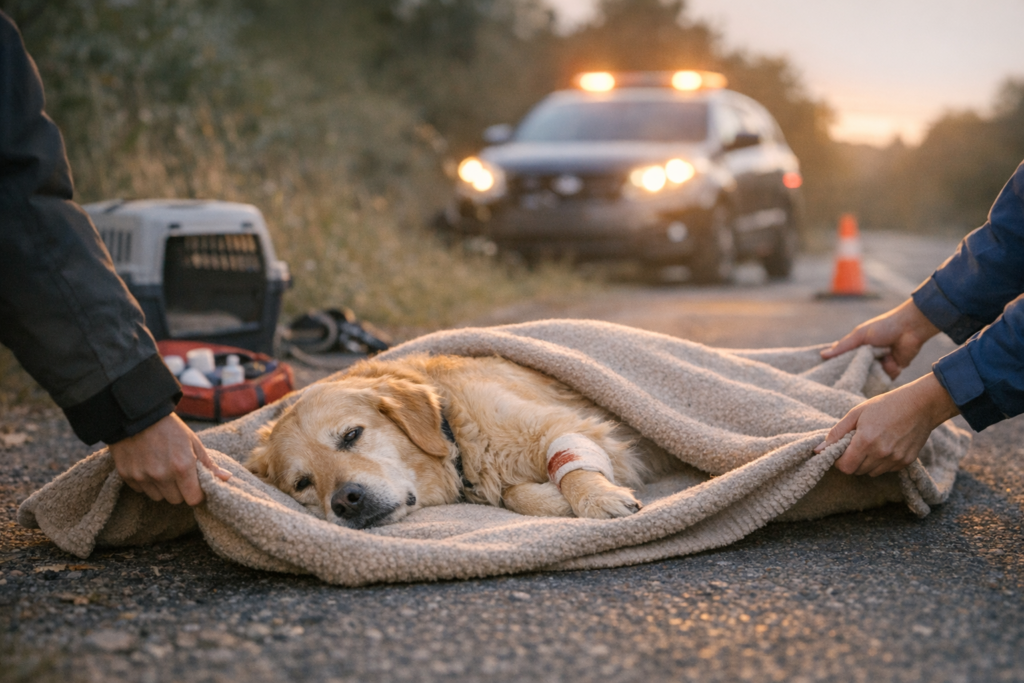
Understanding Dog Hit by Car First Aid
Finding yourself in a situation where your dog has been hit by a vehicle is every owner’s worst nightmare. In the busy, bustling streets of India, where traffic conditions can be unpredictable, knowing the steps for dog hit by car first aid can literally be the difference between life and death. As pet parents, we want to ensure we are prepared for any eventuality, especially when navigating urban environments with our furry companions. For more comprehensive tips on managing your pet’s safety and well-being, visit our dog care hub to explore resources designed to keep your canine healthy and safe.
When an accident occurs, the primary objective is to stay calm. Your dog can sense your anxiety, and keeping a steady hand and a clear mind is vital for providing effective assistance. Always remember that while these steps are designed to help you stabilize your pet, they are not a substitute for professional veterinary care. You must seek out a clinic as quickly as possible, regardless of whether your dog appears to be walking fine or seems unharmed. Internal injuries, such as internal bleeding or organ trauma, are not always immediately visible but can be fatal if left untreated.
The Pawsitive Hoomans Take
At Pawsitive Hoomans, we believe that preparation is the highest form of love. While we never want to imagine our dogs in harm’s way, being equipped with the knowledge of basic first aid empowers us to act decisively. We advocate for a “safety-first” approach: keep your dog on a sturdy leash at all times near roads, even if they are well-trained. The chaotic nature of Indian traffic—from sudden honking to stray vehicles—can spook even the most confident dogs, leading them to dart into traffic in a moment of panic. By prioritizing proactive safety and knowing exactly what to do in an emergency, you are acting as the best advocate for your pet’s life.
🏥 Is your pet showing these symptoms? Log them instantly in our free Triage Engine inside Pet Passport to get immediate guidance.
Step-by-Step Emergency Response
1. Ensure Safety for Everyone
Before you approach your dog, check the environment. Is the road still active? Is there a risk of you or the dog being hit again? If it is safe to do so, move your dog to the side of the road or a nearby pavement. If the dog is aggressive due to pain or shock, use a soft cloth or a jacket to create a makeshift muzzle, but ensure you do not restrict their breathing, especially if they are having difficulty taking in air.
2. Assess for Immediate Threats
Check the ABCs: Airway, Breathing, and Circulation. If your dog is not breathing, you may need to perform CPR, though this should only be done if you are absolutely certain there is no pulse. If there is heavy bleeding, apply firm, direct pressure to the wound using a clean cloth or a bandage. In India, where many dogs are strays or community dogs, you may be assisting a pet that isn’t your own. In such cases, prioritize your own safety while coordinating with local rescue organizations or veterinarians.
3. Proper Transportation
Do not attempt to move the dog by grabbing their limbs or lifting them awkwardly. If you suspect a spinal injury or a fracture, use a rigid surface like a wooden plank or a sturdy board to act as a stretcher. Slide the dog gently onto the board, keeping their neck and back as straight as possible. If a board is unavailable, use a thick blanket or a jacket as a sling to minimize movement of the torso and limbs.
Not sure what your pet needs? Use our free tools — Emergency Triage Guide or Custom Diet Calculator.
What to Expect at the Vet
Once you reach the veterinarian, provide them with a clear, concise summary of the incident. Note the time of the accident, the type of vehicle involved, and if your dog lost consciousness at any point. Be prepared for the vet to order diagnostics like X-rays, ultrasounds, or blood work. These are not merely suggestions; they are necessary tools to detect internal trauma. For an exact daily portion or health tracking during recovery, use the tools available in your Pet Passport to ensure your vet has a complete history of your dog’s vital stats.
Frequently Asked Questions
Should I give my dog water or food after being hit by a car?
No, you should not give your dog food or water until a veterinarian has assessed them. Giving food or water can be dangerous if the dog requires emergency surgery or sedation, as it increases the risk of aspiration and complications during anesthesia.
How do I know if my dog has internal injuries after an accident?
You cannot definitively know without a veterinary exam, but signs such as pale or white gums, extreme lethargy, rapid or shallow breathing, abdominal bloating, or coughing up blood indicate an emergency. Always assume internal trauma exists after a collision, even if the dog seems to be walking normally, as adrenaline can mask the symptoms of shock and injury.
Can I use human pain medication for my dog if they are in pain?
Never administer human pain medication to a dog, as common painkillers like paracetamol or ibuprofen are highly toxic and can be fatal to canines. Contact your veterinarian immediately for guidance on pain management; they will prescribe dog-safe analgesics appropriate for the specific nature and severity of your dog’s injuries.
Disclaimer: Pawsitive Hoomans provides educational content based on veterinary best practices, but we are not veterinarians. This article is for informational purposes only and does not replace professional medical advice. Always consult with a qualified veterinarian regarding the health, safety, and medical treatment of your pet.