
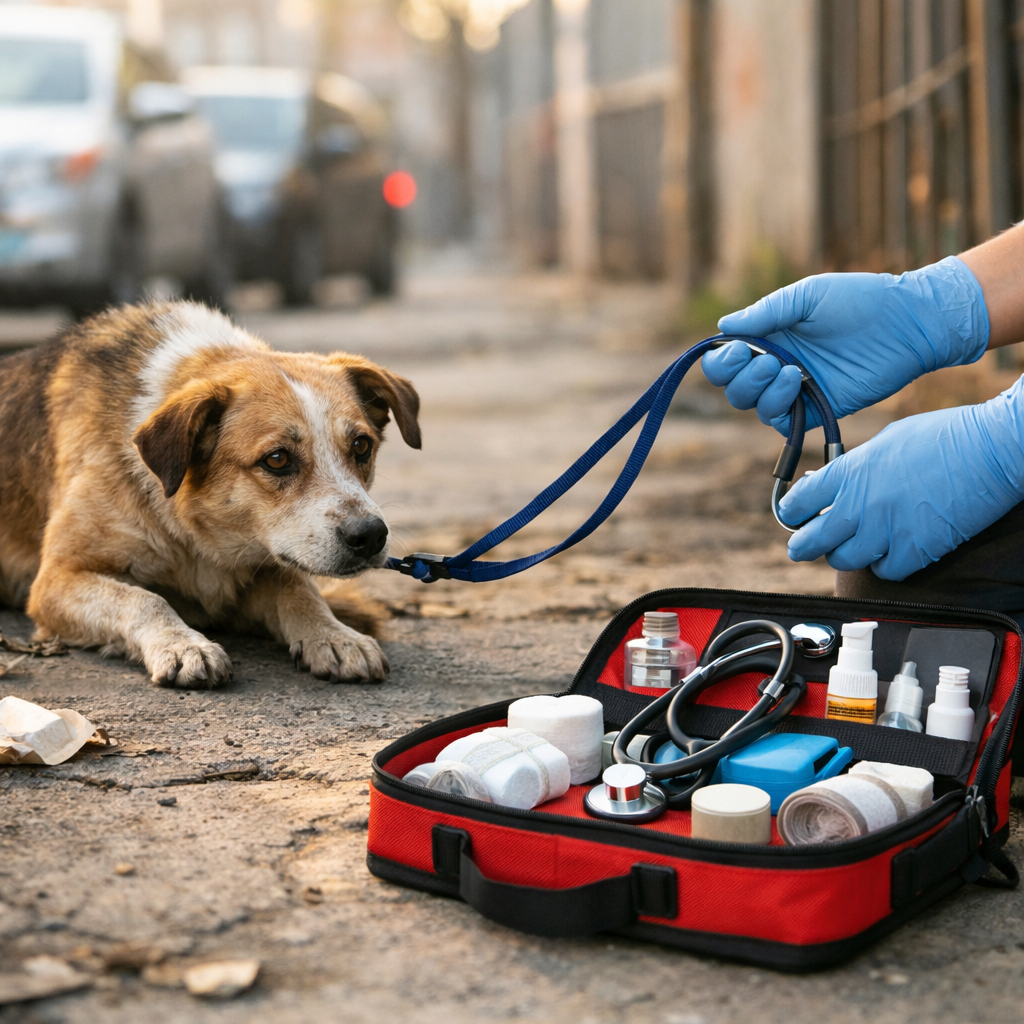
Understanding Maggot Wounds in Street Dogs
Finding a maggot wound, medically known as cutaneous myiasis, on a street dog can be a deeply distressing experience for any compassionate human. As pet parents and animal welfare advocates, we understand the urge to jump in and help immediately. When dealing with street animals, the first step is always safety—both for the animal and for you. If you are an advocate for our local community dogs, knowing how to spot and manage these wounds is a vital skill that saves lives. Myiasis occurs when fly larvae infest the necrotic tissue of a wound, often starting from a minor scrape or tick bite that has gone unnoticed or untreated.
It is important to remember that these wounds are painful and can rapidly progress to life-threatening sepsis if not managed correctly. Research shows that humidity, heat, and poor sanitation often contribute to the prevalence of these infestations in urban areas. While the sight of a maggot wound is horrifying, these animals are resilient. With prompt, professional intervention and the right support, most dogs can recover completely.
The Pawsitive Hoomans Take
At Pawsitive Hoomans, our philosophy is rooted in the belief that every street animal deserves dignity and care. Managing a maggot wound is not a DIY home project; it requires clinical precision. Because maggots often burrow deep into the tissue and eat healthy skin along with dead tissue, simply pulling them out at home can cause more damage, leave behind larvae, or lead to massive blood loss. We strongly advocate for professional intervention. If you spot a street dog with a foul-smelling, weeping, or maggot-infested wound, your primary role is that of a rescuer: secure the animal safely, seek professional veterinary assistance, and provide the necessary post-treatment care that follows.
🏥 Is your pet showing these symptoms? Log them instantly in our free Triage Engine inside Pet Passport to get immediate guidance.
Why You Should Never Attempt ‘Home Remedies’
There is a lot of misinformation circulating online about pouring substances like kerosene, turpentine, or strong antiseptic liquids directly into maggot wounds. Please, never do this. These substances cause severe chemical burns to the dog’s skin and can be absorbed into their bloodstream, leading to toxicity. Veterinary experts recommend controlled flushing with specific saline solutions and the manual, surgical removal of larvae under proper sedation. A qualified vet will assess the extent of the tissue damage and determine if the dog requires systemic antibiotics or pain relief to prevent the infection from reaching the vital organs.
The Recovery Process: Patience is Key
Once the vet has cleaned the wound, your role in the recovery phase begins. A dog recovering from a maggot infestation is often immunosuppressed, malnourished, and in significant pain. They require a quiet, clean, and fly-free environment. If you are fostering the dog, keeping them indoors or in a screened-off area is essential. The wound will need to be kept clean and bandaged according to your vet’s specific instructions. Do not change the frequency of dressing changes without consulting your professional.
Nutrition plays a massive role in recovery. A high-protein, balanced diet will help the body regenerate damaged tissue faster. For an exact daily portion tailored to the dog’s weight during their recovery, use the free Dog Diet Calculator at pawsitivehoomans.com/dog-diet/ to ensure they are getting the nutrients they need to heal without the risk of obesity.
Supporting Community Healing
Beyond individual care, we can reduce the prevalence of maggot wounds by being proactive. Regular check-ups for our community dogs can help catch minor skin abrasions or tick burdens before they evolve into open wounds that attract flies. Keeping our neighborhoods clean and supporting spay-neuter initiatives keeps the general health of our street dog population higher, making them less susceptible to severe health complications. As you help these dogs recover, consider tracking their treatment history in a Pet Passport to ensure that any future caregivers or rescuers are fully aware of their medical background and recovery journey.
Not sure what your pet needs? Use our free tools — Emergency Triage Guide or Custom Diet Calculator.
Frequently Asked Questions
Can I use Dettol or Hydrogen Peroxide on a dog’s maggot wound?
No, you should never apply concentrated Dettol, Hydrogen Peroxide, or other harsh chemicals directly to a maggot wound as they cause severe tissue necrosis and chemical burns. These products destroy healthy skin cells that are trying to heal, often making the wound larger and more painful for the dog. Always use the sterile saline solutions provided by a veterinarian for flushing.
How do I transport a street dog with an infected wound to the vet?
Secure the dog using a thick blanket or a muzzle if they are in pain and showing signs of aggression, then use a sturdy crate or a flat wooden board as a stretcher to move them safely to a vehicle. Since street dogs are often terrified and in extreme pain, they may bite as a reflex. Keep your hands away from the face, move calmly, and avoid sudden movements to keep the animal as relaxed as possible during transport.
What should I feed a street dog recovering from a major maggot wound?
Feed the dog a high-quality, protein-rich diet such as boiled chicken breast, lean mutton, or well-cooked eggs mixed with small amounts of rice, as these proteins are essential for rapid tissue repair and immunity building. Ensure the food is easy to digest and served at room temperature. Always avoid spicy human leftovers or heavy oils, as the dog’s system is already under stress and needs high-quality fuel to fight the infection.
Disclaimer: The information provided on Pawsitive Hoomans is for educational purposes only and does not constitute veterinary advice. Always consult a qualified veterinarian or medical professional for any health concerns or medical decisions regarding your pet.