
Understanding Canine Hydration
As dedicated pet parents, one of our primary responsibilities is ensuring our furry companions stay properly hydrated, especially in the tropical climate we experience across India. Learning how to perform a dog dehydration pinch test is a simple yet life-saving skill that every owner should have in their toolkit. When a dog doesn’t get enough water, their body functions begin to slow down, potentially leading to critical health emergencies. For more expert tips on maintaining your canine companion’s well-being, explore our comprehensive dog-hub for resources on everything from nutrition to seasonal care.
Dehydration in dogs often creeps up silently. Whether it is a long afternoon walk in the sun, intense play, or a bout of digestive upset, water loss happens faster than we might think. Veterinary experts recommend that pet parents become familiar with the visual and physical signs of fluid loss so that they can intervene before a situation becomes dire. While we always prioritize preventative care, understanding the mechanics of a hydration assessment provides a crucial baseline for your dog’s health.
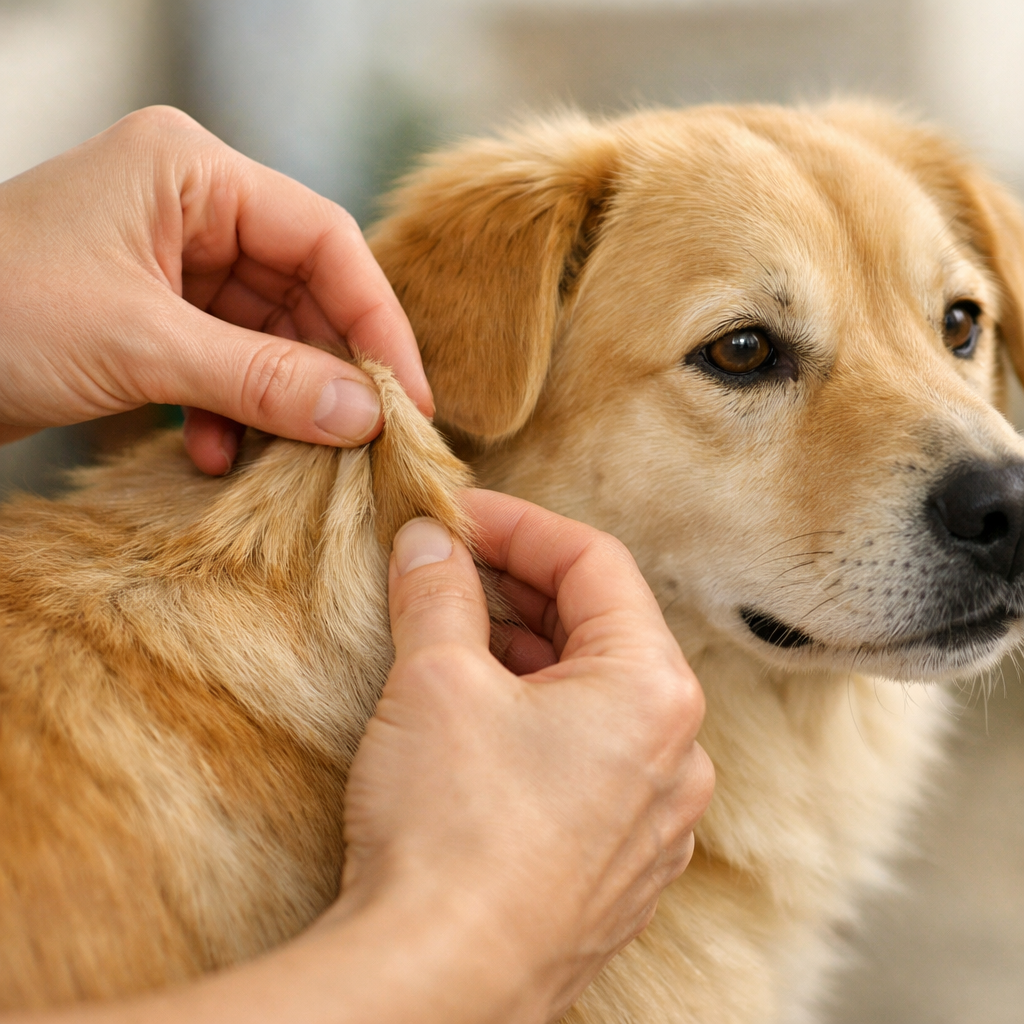
How to Perform the Pinch Test
The skin tent test, commonly known as the pinch test, measures skin turgor—the skin’s ability to change shape and return to normal. When a dog is well-hydrated, their skin is elastic. When they are dehydrated, the lack of fluid in the tissues causes the skin to lose this elasticity.
Step-by-Step Instructions
To perform the test accurately, follow these steps:
- Choose the right area: Gently grasp a small fold of skin over your dog’s shoulder blades or along the back of their neck. These areas are generally the most reliable for checking elasticity.
- Pinch and lift: Lightly lift the skin fold upward and away from the body—only an inch or two is necessary.
- Observe the release: Let go of the skin and count how quickly it returns to its normal, flat position against the body.
- Analyze the results: In a hydrated dog, the skin should snap back into place almost instantly. If the skin stays in a “tent” shape or returns to position very slowly, your dog may be dehydrated.
Please note: This test can be less accurate in senior dogs or dogs that have lost significant weight, as their skin naturally loses some elasticity regardless of hydration levels. Always look for other warning signs alongside the pinch test.
The Pawsitive Hoomans Take
At Pawsitive Hoomans, we believe that the best approach to pet care is rooted in proactive observation rather than reactive panic. We discourage waiting for severe symptoms to appear. Instead, we advocate for checking your dog’s hydration levels daily, especially during the summer months or during travel. Always remember that positive reinforcement-based training can make these health checks much easier; if you teach your dog to be comfortable with handling during calm moments, they won’t be stressed when you need to perform an assessment during a health concern. We strongly believe that the bond you build through gentle, consistent handling is the foundation of a healthy, stress-free life for your pup.
🏥 Is your pet showing these symptoms? Log them instantly in our free Triage Engine inside Pet Passport to get immediate guidance.
Recognizing Other Symptoms of Dehydration
The pinch test is only one piece of the puzzle. You should also monitor your dog for these additional warning signs:
- Dry or tacky gums: Healthy gums should feel wet and slippery. If they feel sticky or dry, your dog needs more fluids.
- Sunken eyes: In cases of severe dehydration, a dog’s eyes may appear to recede into their sockets.
- Lethargy: A significant, unexplained drop in energy levels is often a red flag.
- Loss of appetite: Dehydration can make your dog feel nauseated or simply unwilling to eat.
- Dark, concentrated urine: Keep an eye on your dog’s bathroom habits; pale, clear, or light yellow urine is ideal.
For an exact daily water intake recommendation tailored to your dog’s size and activity level, use the free Dog Diet Calculator at pawsitivehoomans.com to ensure they are getting exactly what they need to stay hydrated.
Not sure what your pet needs? Use our free tools — Emergency Triage Guide or Custom Diet Calculator.
What to Do If You Suspect Dehydration
If your dog fails the pinch test or shows signs of lethargy, offer fresh, clean water immediately. If they refuse to drink or are vomiting, contact your veterinarian right away. Never force-feed water to a dog, and do not attempt to administer any medications without professional guidance. For ongoing health monitoring, maintaining a digital health record is the best way to track trends in your pet’s behavior and physical condition over time.
Frequently Asked Questions
Can I give my dog ORS if they are dehydrated?
Do not give your dog human ORS unless explicitly directed by your veterinarian, as human formulations often contain xylitol or improper electrolyte balances for dogs. If you suspect your dog is severely dehydrated, seek veterinary assistance immediately as they may require professional fluid therapy rather than oral supplementation.
How often should I do the pinch test on my dog?
Check your dog once daily during hot summer months, or immediately if you notice them becoming unusually tired after physical activity. Frequent, quick checks allow you to establish a “normal” baseline for your dog’s skin elasticity, making it easier to spot when something is actually wrong.
Does a dry nose always mean my dog is dehydrated?
No, a dry nose does not automatically mean your dog is dehydrated; it can be caused by sleeping, lying in the sun, or a minor environmental change. Always combine the nose check with a skin pinch test and an examination of the gums for a more accurate assessment of your dog’s hydration status.
Disclaimer: Pawsitive Hoomans provides general information for educational purposes and is not a substitute for professional veterinary advice, diagnosis, or treatment. Always consult with a qualified veterinarian regarding your pet’s health, especially if you notice sudden changes in behavior or physical condition.