
Understanding Monsoon Tick Challenges
The monsoon season brings a lush, green landscape that is undeniably beautiful, but for our canine companions, it also signals the peak season for pesky parasites. As pet parents, learning how to prevent ticks in monsoon conditions is essential for keeping our dogs healthy and comfortable. In our comprehensive dog hub, we emphasize that moisture and high humidity create the perfect breeding ground for ticks, which are not just an annoyance but can also carry serious blood-borne diseases. If you have noticed your furry friend scratching more than usual, you are certainly not alone; this is a common concern during the rainy months across India.
Ticks thrive in the tall grass, damp corners of our gardens, and even in the humid crevices of our homes. While we cannot control the weather, we can certainly implement proactive strategies to minimize our dog’s exposure. Research shows that consistent preventative care is far more effective than trying to handle a full-blown infestation once it has started. By staying vigilant and maintaining a routine, you can ensure your dog enjoys the monsoon season without the constant threat of these tiny hitchhikers.
The Pawsitive Hoomans Take
At Pawsitive Hoomans, we believe that the best approach to tick management is a multi-layered strategy that combines environmental control, regular grooming, and long-term preventative care. We advocate for force-free, proactive wellness where the stress on the dog is kept to an absolute minimum. Rather than waiting for a tick to attach, we encourage pet parents to treat their living space as a fortress and their dog’s grooming session as a vital health check. We strongly believe that the bond between a dog and their human is strengthened when grooming and health checks are turned into positive, rewarding experiences rather than chores.
🏥 Is your pet showing these symptoms? Log them instantly in our free Triage Engine inside Pet Passport to get immediate guidance.
Practical Strategies to Prevent Ticks in Monsoon
The first line of defense is environmental management. If you have a backyard or a garden, ensure that the grass is kept short and that there are no piles of wet leaves or debris where ticks can hide. During the rainy season, ticks are often waiting on the tips of tall blades of grass, ready to latch onto a passing dog. If possible, stick to paved paths during your walks and avoid overgrown fields.
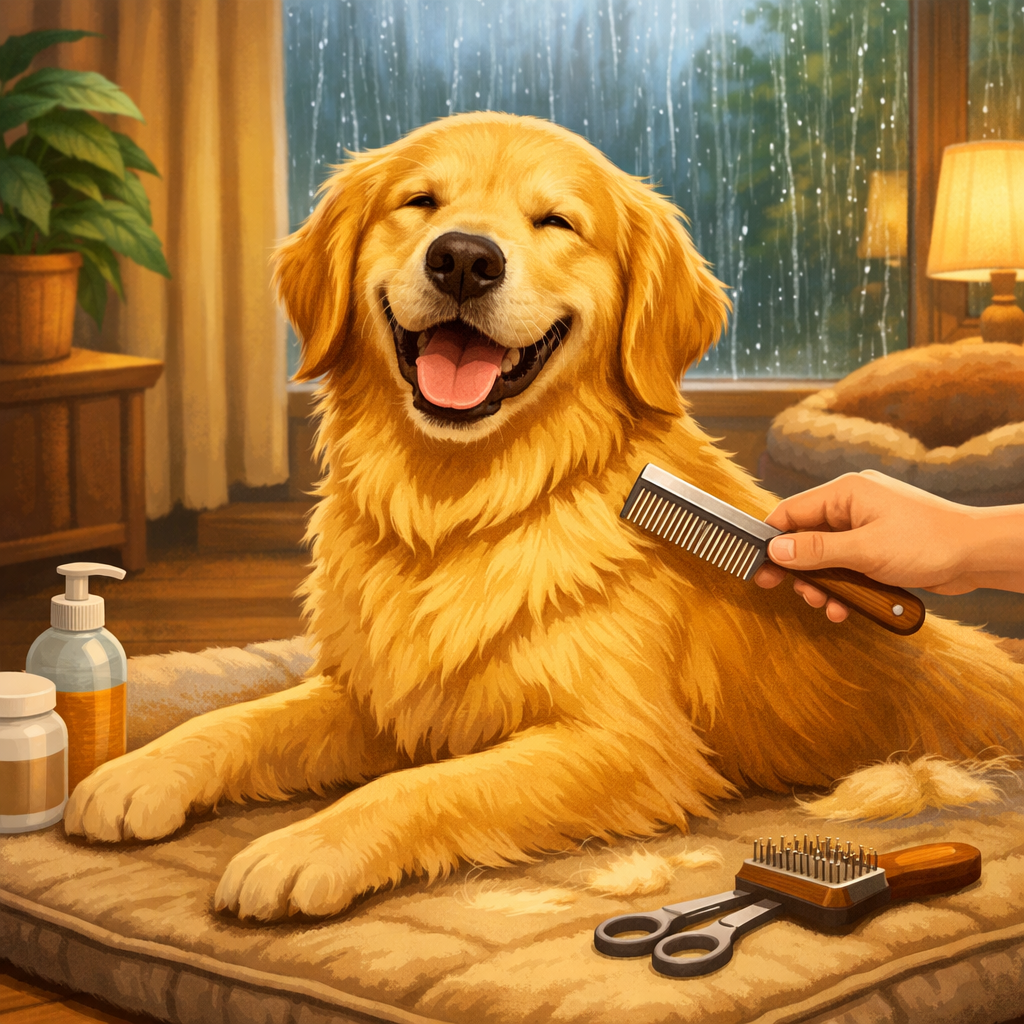
Daily grooming is another critical pillar. After every walk, use a fine-toothed flea and tick comb to inspect your dog’s fur. Pay special attention to areas like the ears, between the toes, under the collar, and the armpits—these are the favorite hideouts for ticks. If you find a tick, remove it carefully using specialized tick-removal tools, ensuring you get the head. Always remember that for any persistent infestation or if you notice your dog acting lethargic, you should consult your veterinarian. They can provide guidance on safe, effective spot-on treatments or oral preventatives tailored to your dog’s specific health profile.
The Role of Hygiene and Natural Deterrents
While chemical preventatives are often recommended by veterinary experts, maintaining a clean home environment is equally vital. Frequent washing of your dog’s bedding with hot water and drying it under the sun (when possible) helps eliminate eggs and larvae. Some pet parents also use pet-safe essential oil sprays, but please exercise extreme caution as many essential oils can be toxic to dogs. Always verify with your local vet before introducing anything new to your dog’s coat or environment.
Furthermore, consider the nutrition and immune health of your dog. A healthy dog with a strong immune system and a well-nourished coat is naturally more resilient. For an exact daily portion tailored to your dog’s weight, use the free Dog Diet Calculator at pawsitivehoomans.com/dog-diet/. Proper nutrition supports a robust skin barrier, which is your dog’s primary shield against external irritants.
Not sure what your pet needs? Use our free tools — Emergency Triage Guide or Custom Diet Calculator.
Frequently Asked Questions
Can I use lemon juice or neem water on my dog to stop ticks?
No, you should not use lemon juice or neem water as a primary tick repellent as they can cause skin irritation and are not medically proven to prevent tick-borne diseases. While some natural remedies may seem appealing, lemon juice is highly acidic and can disrupt your dog’s skin pH, while neem, if not properly diluted or formulated for veterinary use, can be harsh. It is safer to rely on products specifically approved by your veterinarian to keep your dog tick-free.
How often should I check my dog for ticks during the rainy season?
You should check your dog for ticks at least once every single day, preferably immediately after returning from any outdoor walk. Ticks can attach within minutes, and detecting them early prevents them from engorging on blood and lowers the risk of disease transmission. Making this a part of your daily bonding routine—where you provide treats and gentle petting—will make the process pleasant for your dog.
Are tick collars effective for Indian monsoon conditions?
Tick collars can be effective, but their performance may vary in high humidity, and they should only be used under the specific guidance of a veterinary professional. In Indian monsoon conditions, the high moisture levels can sometimes reduce the efficacy of certain collars or irritate the skin beneath the collar. Always consult your vet to choose the most suitable preventative for your dog’s coat type and regional tick population.
To keep a precise log of your dog’s grooming schedule and any tick-preventative treatments you administer, we highly recommend keeping your records organized in the Pet Passport. Staying organized is the best way to ensure no treatment is missed.
Disclaimer: The information provided on PawsitiveHoomans.com is for educational purposes only and is not a substitute for professional veterinary advice, diagnosis, or treatment. Always consult with a qualified veterinarian regarding your pet’s health or any medical decisions.