
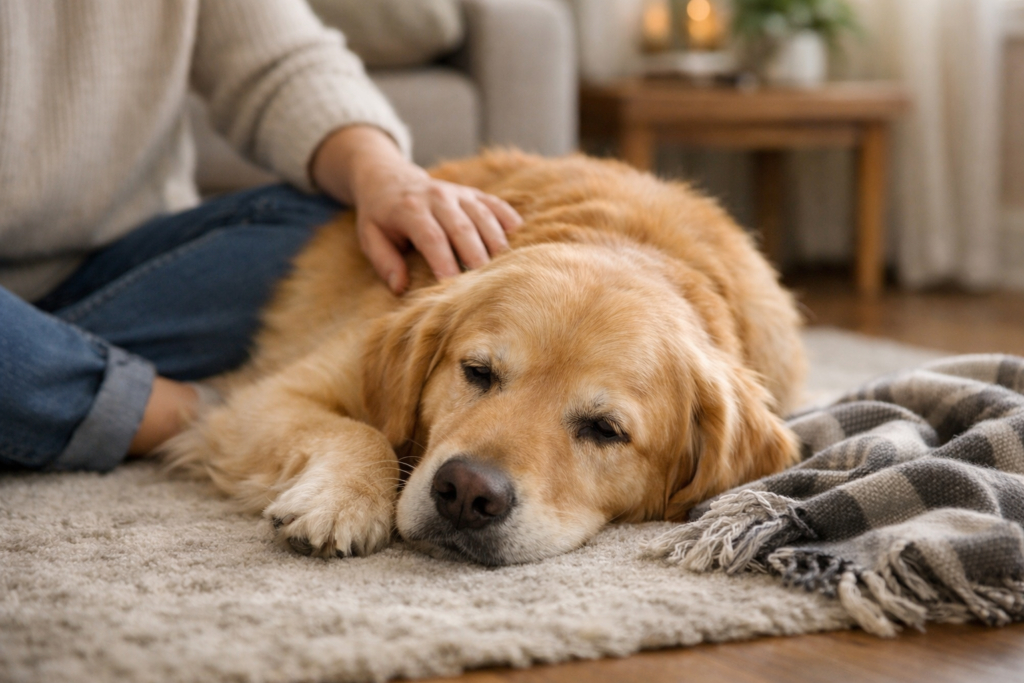
Recognizing the Signs of Kennel Cough in Your Dog
As dedicated pet parents, hearing your furry friend suffer from a hacking, persistent cough can be incredibly distressing. If you have been searching for kennel cough symptoms home remedy options, you are likely worried about your dog’s comfort and health. Kennel cough, medically known as infectious tracheobronchitis, is a highly contagious respiratory condition often seen in social dogs. Whether your dog frequents a local park, a boarding facility, or simply plays with neighborhood friends, understanding how to manage this condition is a cornerstone of responsible dog ownership.
The most telltale sign of kennel cough is a dry, hacking cough that often sounds like a goose honking. This sound can be alarming because it often happens in rapid-fire bursts. While many dogs remain energetic and maintain a good appetite, others might show lethargy or a mild fever. Research shows that this condition is often caused by a combination of bacteria and viruses, most notably Bordetella bronchiseptica. Because it is so easily transmitted through the air or by touching contaminated surfaces, it is important to keep your dog isolated from other pets if you suspect they have contracted it.
The Pawsitive Hoomans Take
At Pawsitive Hoomans, we believe that the best approach to pet care is one rooted in empathy and scientific literacy. When your dog is unwell, our primary goal is to minimize their distress while supporting their immune system. While there is no ‘magic cure’ for a viral or bacterial cough, there are many ways to make your dog more comfortable at home while they recover. However, we must emphasize that kennel cough can occasionally progress into more serious conditions like pneumonia, especially in puppies, senior dogs, or those with compromised immune systems. Therefore, your first step should always be to schedule an examination with your veterinarian to rule out more severe respiratory issues.
🏥 Is your pet showing these symptoms? Log them instantly in our free Triage Engine inside Pet Passport to get immediate guidance.
Supporting Your Dog’s Recovery at Home
Once you have received a professional diagnosis and guidance, you can focus on making your home a sanctuary for healing. Veterinary experts recommend keeping your dog in a stress-free, quiet environment. Stress can weaken the immune system, so ensure they have a comfortable place to rest away from household noise. Hydration is critical; ensure fresh, clean water is always available. Some pet parents find that adding a small amount of warm water to their dog’s food helps keep them hydrated and may soothe a raw throat.
Humidity can play a significant role in managing a hacking cough. If the air in your home is dry, using a humidifier or taking your dog into a steam-filled bathroom (not the shower itself) for 10–15 minutes can help loosen mucus and make breathing easier. Avoid using any human medications, as many common cough syrups contain ingredients that are toxic to dogs. Always consult your vet before adding any supplement or over-the-counter aid to your dog’s routine.
Walking your dog is another area where modifications are needed. Instead of using a collar, which can put direct pressure on the inflamed windpipe and trigger more coughing, switch to a soft, well-fitting harness. This simple change can make a world of difference in your dog’s comfort during necessary potty breaks.
Not sure what your pet needs? Use our free tools — Emergency Triage Guide or Custom Diet Calculator.
Preventative Measures for the Future
Prevention is always better than cure. Vaccination for Bordetella is a standard recommendation for dogs who are frequently around others. While it does not guarantee your dog will never catch a cough, it significantly reduces the severity of the symptoms. Regular hygiene, such as washing food and water bowls, and maintaining your dog’s overall health with a balanced diet and regular vet check-ups, forms the foundation of a robust immune system.
Frequently Asked Questions
Is honey safe for dogs with a dry, hacking cough?
Yes, a small amount of plain, organic honey can act as a natural throat soother for adult dogs, provided they do not have diabetes or other underlying health issues. You can offer a teaspoon once or twice a day, but ensure it is pure honey without added xylitol, which is highly toxic to dogs. Never give honey to very young puppies or dogs with compromised immune systems without first asking your vet.
How long does kennel cough typically last in dogs?
Most cases of kennel cough in healthy dogs last between one to three weeks, with symptoms gradually improving over time. If your dog’s cough persists beyond three weeks, or if you notice yellow or green nasal discharge, lethargy, or a complete loss of appetite, contact your vet immediately as these can be signs of a secondary bacterial infection.
Can I give my dog human cough syrup for kennel cough?
No, you should never give your dog human cough medication because many contain ingredients like guaifenesin or alcohol that can be dangerous or even fatal to dogs. Always rely on medications or treatments specifically prescribed by your veterinarian to ensure the safety and recovery of your pet.
Monitoring your dog’s progress is vital during their recovery. For a seamless way to track these symptoms and keep all your medical notes in one place, we highly recommend using our Pet Passport. By keeping a detailed history of your dog’s health, you become a more empowered partner in their wellness journey. Please remember that this information is for educational purposes only; always consult a qualified veterinarian regarding your dog’s specific medical needs.