
Handling Sudden Hind Leg Paralysis in Dogs: A Parent’s Guide
Seeing your beloved companion experience dog sudden hind leg paralysis is one of the most frightening experiences a pet parent can face. Whether your dog was playing in the park or resting at home, the inability to move their back legs is a medical emergency that requires immediate action. At Pawsitive Hoomans, we believe that staying calm and informed is the first step in advocating for your dog’s health, and navigating resources like our dog-hub can provide a foundational understanding of what your canine friend needs to thrive. When a crisis strikes, knowing what to do and how to minimize further injury can make all the difference in your dog’s long-term comfort.
Understanding the Signs of Hind Leg Paralysis
Sudden weakness or paralysis in a dog’s hind legs, often referred to by experts as ‘posterior paresis’ or ‘paralysis,’ can manifest in various ways. You might notice your dog dragging their toes, stumbling, knuckling over (where the top of the paw touches the floor instead of the pads), or showing a complete inability to stand. It is crucial to remember that sudden paralysis is never ‘just a cramp.’ It is often a sign of an underlying issue that requires urgent diagnostic imaging and assessment by a professional.
Common causes observed in clinical practice include Intervertebral Disc Disease (IVDD), fibrocartilaginous embolism (FCE), spinal trauma, or even blood clots. Because these conditions affect the central nervous system, every minute counts. Please do not wait for symptoms to ‘go away on their own’ or rely on home remedies. Time is muscle and nerve function; the sooner a professional evaluates the situation, the better the prognosis for recovery.
The Pawsitive Hoomans Take
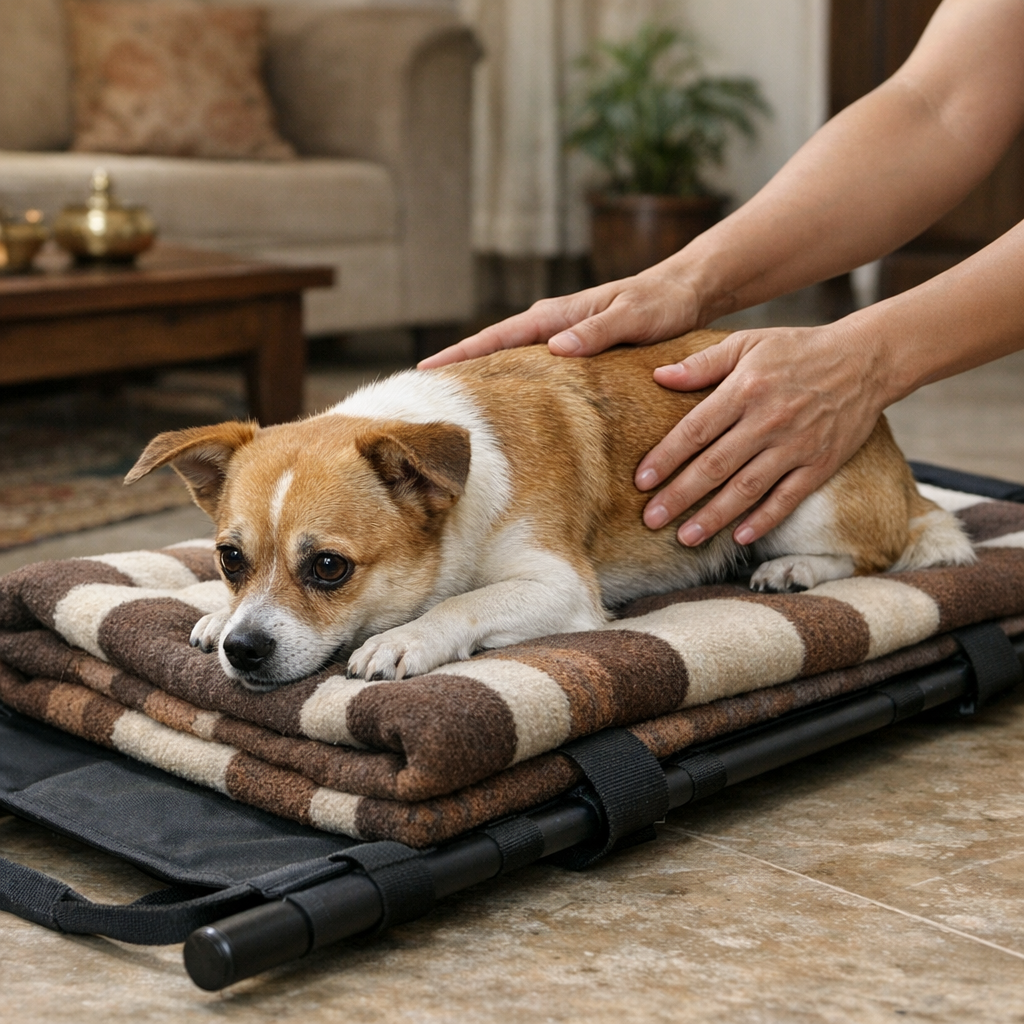
At Pawsitive Hoomans, we emphasize the importance of force-free care and gentle handling, especially during medical emergencies. If you suspect your dog has lost mobility in their hind legs, the most important thing is to stabilize them. Avoid moving them unnecessarily, as this can exacerbate potential spinal cord damage. Use a sturdy board or a thick, firm blanket as a makeshift stretcher to move your dog from the floor to your vehicle safely, keeping their spine as straight as possible at all times.
We advocate for positive reinforcement even in times of stress. Your dog is likely confused and frightened; maintaining a calm voice and gentle touch helps lower their heart rate and anxiety. Remember, being a pet parent means being a bridge between your dog and the medical care they need. Always avoid DIY adjustments or ‘back-cracking’ techniques, which can lead to permanent paralysis or internal injury. Veterinary experts recommend specialized diagnostics, such as an MRI or CT scan, to determine the exact cause of the spinal pressure.
🏥 Is your pet showing these symptoms? Log them instantly in our free Triage Engine inside Pet Passport to get immediate guidance.
Immediate First Aid Steps
If you observe sudden loss of function, follow these steps immediately:
- Limit Movement: Crate your dog or keep them in a small, restricted space to prevent further injury.
- Support the Spine: When transporting, keep their body horizontal. Avoid bending or twisting their back.
- Temperature Control: If the dog is in shock, keep them warm with a light blanket, but avoid overheating.
- Travel Safely: Drive cautiously to your nearest emergency vet hospital. Avoid sudden stops that could cause your dog to slide.
For those needing to monitor their pet’s health history, ensuring you have a digital record of their baseline mobility and health stats is vital. You can start building this history using the Pet Passport feature, which allows you to keep all your pet’s health documentation in one accessible place for your vet to review during emergencies.
Recovery and Rehabilitation
While the initial diagnosis can be overwhelming, many dogs regain mobility through structured rehabilitation. Physical therapy, underwater treadmills, and range-of-motion exercises are often recommended. At Pawsitive Hoomans, we champion a holistic approach to recovery that focuses on the dog’s comfort. Patience is essential. Your dog may need assistance with toileting using a sling or harness, and it is your job to ensure their environment is free from slip hazards, such as hardwood or tiled floors.
Not sure what your pet needs? Use our free tools — Emergency Triage Guide or Custom Diet Calculator.
Frequently Asked Questions
Is dog sudden hind leg paralysis always permanent?
No, sudden hind leg paralysis is not always permanent, but the outcome depends entirely on the speed of medical intervention and the underlying cause. Many dogs recover full or partial function with timely surgical or medical intervention, combined with dedicated rehabilitation exercises at home.
Should I massage my dog’s back legs if they cannot move them?
No, do not attempt to massage or manipulate your dog’s back legs or spine before a veterinarian has ruled out spinal fractures or disc herniation. Massaging a spinal injury can worsen the condition; always wait for a professional assessment and specific instructions from your vet regarding physical therapy.
Can a puppy get sudden paralysis from jumping off a couch?
Yes, even young puppies can experience spinal injury from impact, such as jumping off high furniture onto a hard surface. While common in long-backed breeds like Dachshunds due to genetic predispositions, trauma from a fall can cause sudden neurological symptoms in any breed of puppy.
What is the first thing I should do if my dog drags their back legs?
Immediately confine your dog to a crate or a small, confined space and transport them to the nearest emergency veterinary clinic without delay. Do not offer food or water in case surgery is required, and carry your dog on a flat, firm surface to keep their spine neutral during transport.
Disclaimer: We are passionate pet care advocates, not veterinarians. This content is for educational purposes only and does not constitute medical advice, diagnosis, or treatment. Always consult with a qualified veterinarian regarding your pet’s specific medical conditions, as each dog’s needs are unique.