
Understanding Street Puppy Care in India
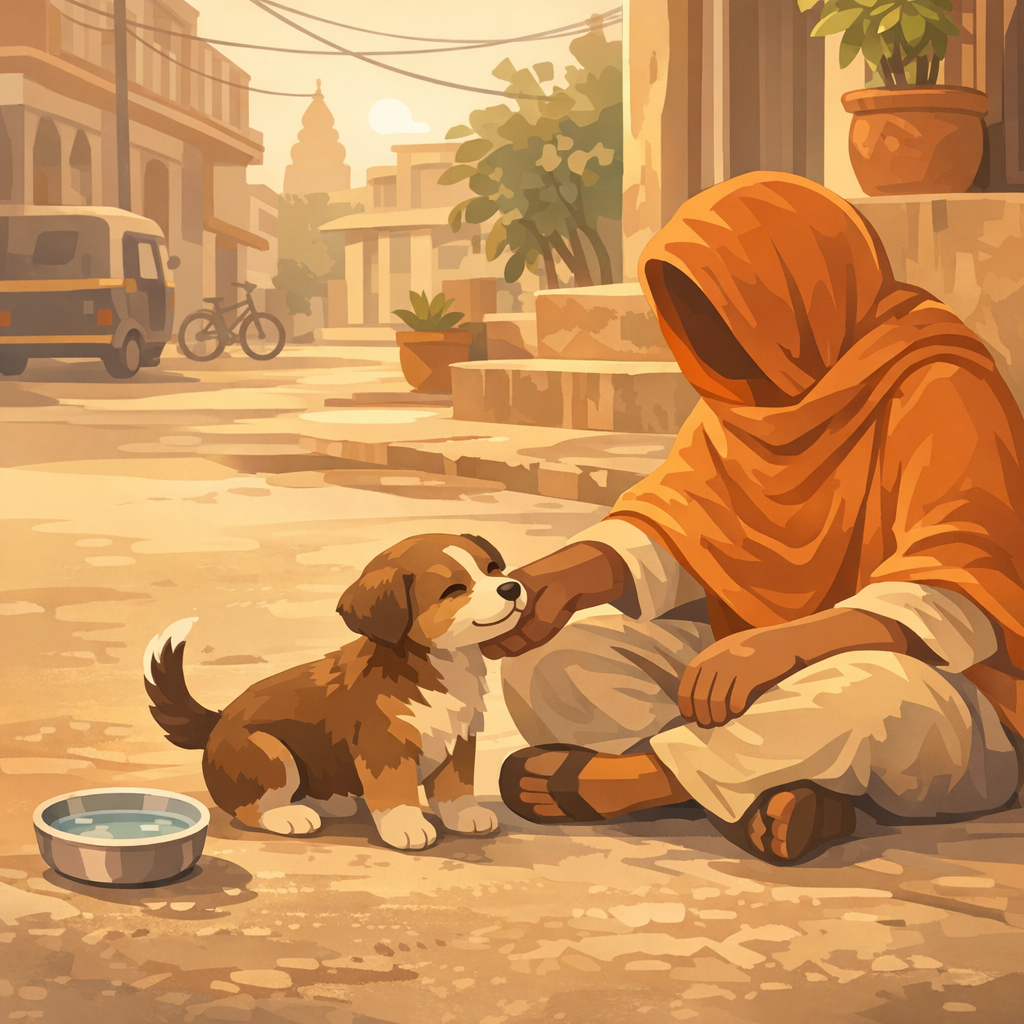
Caring for a homeless animal is a deeply rewarding experience that resonates with the hearts of many Indians. Providing adequate street puppy care India requires patience, local knowledge, and a commitment to positive reinforcement. When you decide to help a stray dog or a vulnerable puppy, you aren’t just providing food; you are becoming an advocate for their well-being and safety. As pet parents and animal welfare advocates, we understand that the first few days of interaction are the most critical for building trust with a pup who has never known a safe home environment. Before you start your journey, be sure to explore our Dog Hub for comprehensive resources on everything from nutrition to behavioral training for Indian street dogs.
Street puppies in India are resilient, but they face immense challenges ranging from traffic and extreme weather to malnutrition and lack of immunity. Providing care starts with a gentle approach. Never force interaction; instead, allow the puppy to come to you. Use low, calm tones and avoid direct eye contact initially, as this can be perceived as aggressive by a frightened animal. By following these steps, you are actively contributing to a more compassionate society for our four-legged friends.
Establishing Nutrition and Hydration
Nutrition is the bedrock of survival for a stray puppy. In an Indian context, while many people offer leftovers, it is crucial to understand what is truly safe. Avoid feeding puppies spicy, oily, or heavily seasoned human food. Instead, opt for plain, boiled rice mixed with small amounts of boiled chicken or curd (dahi). It is important to note that many dogs are lactose intolerant, so monitor their stool quality closely. For an exact daily portion tailored to your dog’s weight, use the free Dog Diet Calculator at pawsitivehoomans.com/dog-diet/.
Clean water is equally vital. Dehydration is a common health crisis for street puppies, especially during the harsh Indian summer. Place shallow, stable bowls of clean water in shaded areas away from heavy foot traffic. Consistency is key here; if you commit to feeding a puppy, try to do so at the same time and place each day to help them feel secure and routine-oriented.
The Pawsitive Hoomans Take
At Pawsitive Hoomans, we believe that the most ethical way to support the street dog population is through the ‘Adopt, Don’t Shop’ philosophy and active participation in ABC (Animal Birth Control) programs. Sterilization and vaccination are the most effective ways to manage the population and prevent the spread of diseases like parvovirus and distemper, which are unfortunately common. We strongly advocate for force-free, positive reinforcement methods when socializing these pups. Fear-based training has no place in modern animal care. Remember, these puppies have spent their lives navigating a complex, often dangerous world. Your role is to bridge the gap between their survival instincts and a life of comfort. Compassion, when combined with veterinary guidance, is the ultimate tool for change.
🐾 Keep a complete health record for your pet with our free Pet Passport. Track vaccinations, weight and behaviour in one place.
Safety and Socialization
Once you have established a feeding routine, you might consider socializing the puppy. This doesn’t necessarily mean bringing them indoors immediately. Socialization involves getting the puppy comfortable with human presence, sounds, and touch. Start by sitting near them while they eat. If they seem comfortable, progress to offering treats from your hand. Always ensure the puppy has an ‘escape route’ where they can retreat if they feel overwhelmed. Avoid rushing the process, as this can break the trust you’ve worked so hard to build.
Safety also means being aware of the environment. Street puppies in India are often at risk from vehicles or unkind passersby. Creating a makeshift shelter using cardboard boxes or plastic crates in a safe, dry corner can provide them with a necessary sanctuary from the monsoon rains or the biting cold of winter. Always monitor their body language; if a puppy is constantly tucking their tail or shrinking away, they require more space and patience.
Not sure what your pet needs? Use our free tools — Emergency Triage Guide or Custom Diet Calculator.
Veterinary Care: The Non-Negotiables
While we advocate for community care, medical decisions must always be guided by a licensed veterinarian. Street puppies often carry internal and external parasites, such as ticks, fleas, and worms. A vet visit for a basic health check and a deworming schedule is the single most impactful gift you can give a rescue puppy. If you notice symptoms like lethargy, loss of appetite, or eye discharge, do not wait for the condition to worsen. Keep all these health details organized in your Pet Passport to ensure your vet has a clear history of the animal’s progress.
Frequently Asked Questions
What should I feed a street puppy if I don’t have meat?
Plain boiled rice mixed with homemade curd (dahi) or cooked yellow moong dal (without salt or spices) is a safe and nutritious meal for a street puppy. These ingredients provide essential carbohydrates and proteins that are gentle on their digestive systems. Ensure the food is cool before serving to avoid burns.
How do I get a stray puppy to trust me?
Sit at a distance, keep your body posture low, and ignore the puppy to show them you are not a threat. Let the puppy approach you on their own terms, and offer small, high-value treats by tossing them towards the puppy rather than holding them out in your palm initially. Trust takes time, often several weeks of consistent, calm presence.
Should I bring a street puppy home during the monsoon?
Yes, providing a temporary, safe, and dry shelter during heavy monsoons can literally save a puppy’s life by preventing hypothermia and severe skin infections. Ensure the area is confined, away from sharp objects, and allows for easy cleaning, while also being mindful that introducing a stray to an existing household requires careful quarantine and a vet check for transmissible diseases.
Disclaimer: We are passionate pet care advocates, not veterinarians. The information provided here is for educational purposes only. Always consult with a qualified veterinarian regarding the medical care, vaccination schedules, and specific health needs of your rescue puppy.