
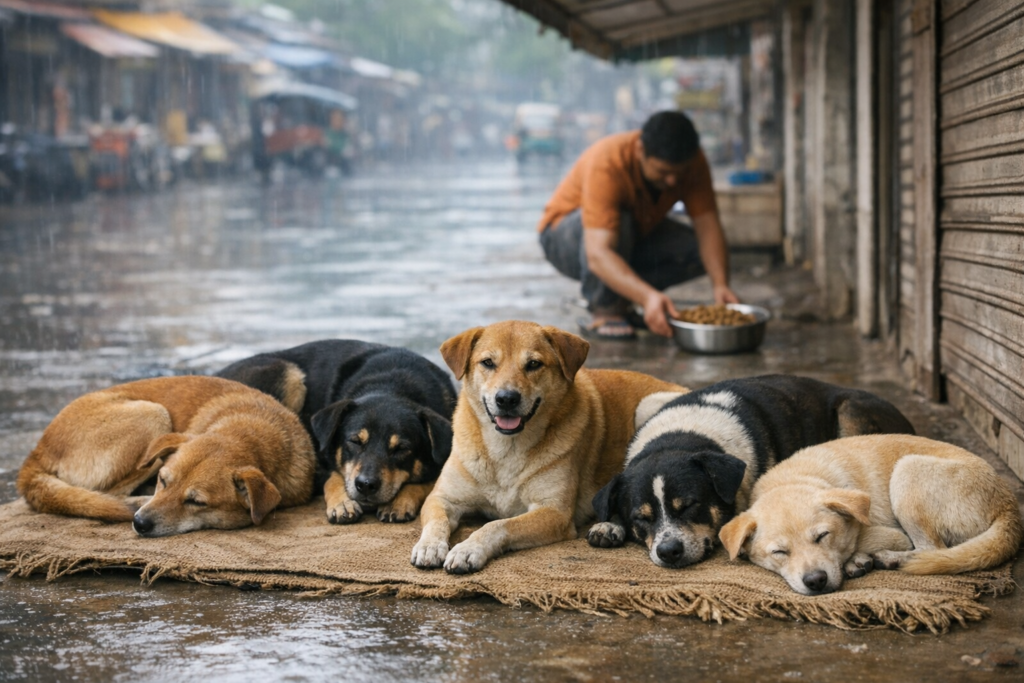
Understanding the Challenges of Monsoon Care for Street Dogs
As the first rains hit the parched Indian soil, most of us find relief from the scorching heat. However, for our community animals, the season brings a unique set of challenges that require our empathy and proactive support. Monsoon care for street dogs is not just about kindness; it is about ensuring their safety during a time when their environment becomes unpredictable and hazardous. Whether you are a seasoned animal welfare volunteer or a new pet parent looking to expand your knowledge of our comprehensive dog care resources, understanding how to support these resilient souls is vital.
During the monsoon, street dogs face heightened risks, including water-borne diseases, shelter scarcity, and the dangers of traffic on slippery, flooded roads. At Pawsitive Hoomans, we believe that small, consistent actions taken by local residents can significantly improve the quality of life for street dogs in their neighborhood. It is important to remember that these animals often lack the resources to dry off or find warmth, leading to secondary health issues like fungal infections or hypothermia.
The Pawsitive Hoomans Take
At Pawsitive Hoomans, we are firm advocates for positive, community-led initiatives that respect the autonomy of street dogs while prioritizing their welfare. We believe that ‘care’ should never mean coercion. When providing monsoon support, always observe the dog’s comfort level. If a dog is shy or skittish, place food and dry bedding in a quiet area rather than trying to force interaction. Force-free care means respecting their boundaries while providing the resources they need to thrive. We strongly discourage any attempts to ‘adopt’ or move street dogs into homes unless it is a dire emergency, as most street dogs are deeply bonded to their territory and community.
🐾 Keep a complete health record for your pet with our free Pet Passport. Track vaccinations, weight and behaviour in one place.
Shelter and Warmth: The First Priority
One of the most effective ways to assist is by providing dry, elevated resting spots. Street dogs often struggle to find dry ground once the drains overflow. You don’t need to build elaborate structures; simply placing an old, dry jute sack or a water-resistant mat in a sheltered area—like under a building overhang or a porch—can make a world of difference. Ensure these spots are in areas where the dog feels safe and away from heavy traffic or aggressive human interference.
Nutritional Support During Rains
During the monsoon, food sources for street dogs become scarce as local shops close early or trash bins get soaked. Providing high-quality, warm, and dry nutrition is essential. If you are feeding, ensure the food is served on clean surfaces or in biodegradable bowls that can be cleared away to keep the streets clean. Avoid feeding in areas that are prone to flooding. If you are looking for specific nutritional guidelines, our Custom Diet Calculator can help you understand the caloric needs for dogs of various sizes and activity levels.
Health Monitoring and Hygiene
Monsoons often lead to an increase in ticks, fleas, and moisture-related skin issues. While we cannot always medicate street animals ourselves, we can act as the ‘eyes and ears’ for local welfare organizations. Look for signs of lethargy, limping, or persistent coughing. If you notice a dog that seems significantly ill, contact a local animal rescue organization or a qualified veterinarian. Please never attempt to administer human medication or unprescribed doses, as many household items are toxic to dogs. Always seek professional advice for medical intervention.
Practical Tips for Community Volunteers
Being an advocate for street dogs is a community effort. Talk to your neighbors and apartment complex management to create a ‘Monsoon Safe Zone’ where street dogs are allowed to shelter during heavy downpours. By fostering a culture of co-existence, you ensure that the dogs are not chased away when they need protection the most. Remember that consistency is key; the street dogs will rely on the routines you establish.
Not sure what your pet needs? Use our free tools — Emergency Triage Guide or Custom Diet Calculator.
Frequently Asked Questions
Is it safe to let street dogs sleep inside my building lobby during heavy rain?
Yes, allowing street dogs to take shelter in building lobbies during extreme weather is a compassionate act that can save their lives. Always ensure the space is ventilated, the dogs are not blocking emergency exits, and that you clean up any muddy paw prints afterwards to maintain community harmony with other residents.
What should I do if I find a street dog shivering after a storm?
Immediately try to provide a dry, warm place, such as a stack of dry towels or a jute mat under a sheltered area, but do not force the dog to be handled if they are stressed. Shivering can be a sign of hypothermia, so if the dog does not stop shivering after being dried or moved to a warm spot, please contact a local animal welfare organization or vet immediately for guidance.
Can I give paracetamol or human fever medicine to a sick street dog?
No, never give paracetamol or any other human painkiller or fever medication to a dog, as these are highly toxic and can lead to fatal organ failure. Always consult a veterinarian or use our Pet Passport to log symptoms professionally and get accurate advice on whether the animal requires a clinical visit.
Caring for our community animals requires patience, love, and a commitment to science-based welfare. By providing consistent nutrition, safe shelter, and observing their health, we can ensure that our neighborhood dogs stay healthy throughout the rainy season. To stay organized with your community care efforts, use our Pet Passport to maintain notes on the health and vaccination status of the dogs you support.
Disclaimer: Pawsitive Hoomans provides information based on general animal welfare practices. We are not veterinarians. All medical decisions, including the treatment of sick or injured animals, must be made in consultation with a qualified, licensed veterinarian. Never administer medication without professional guidance.