
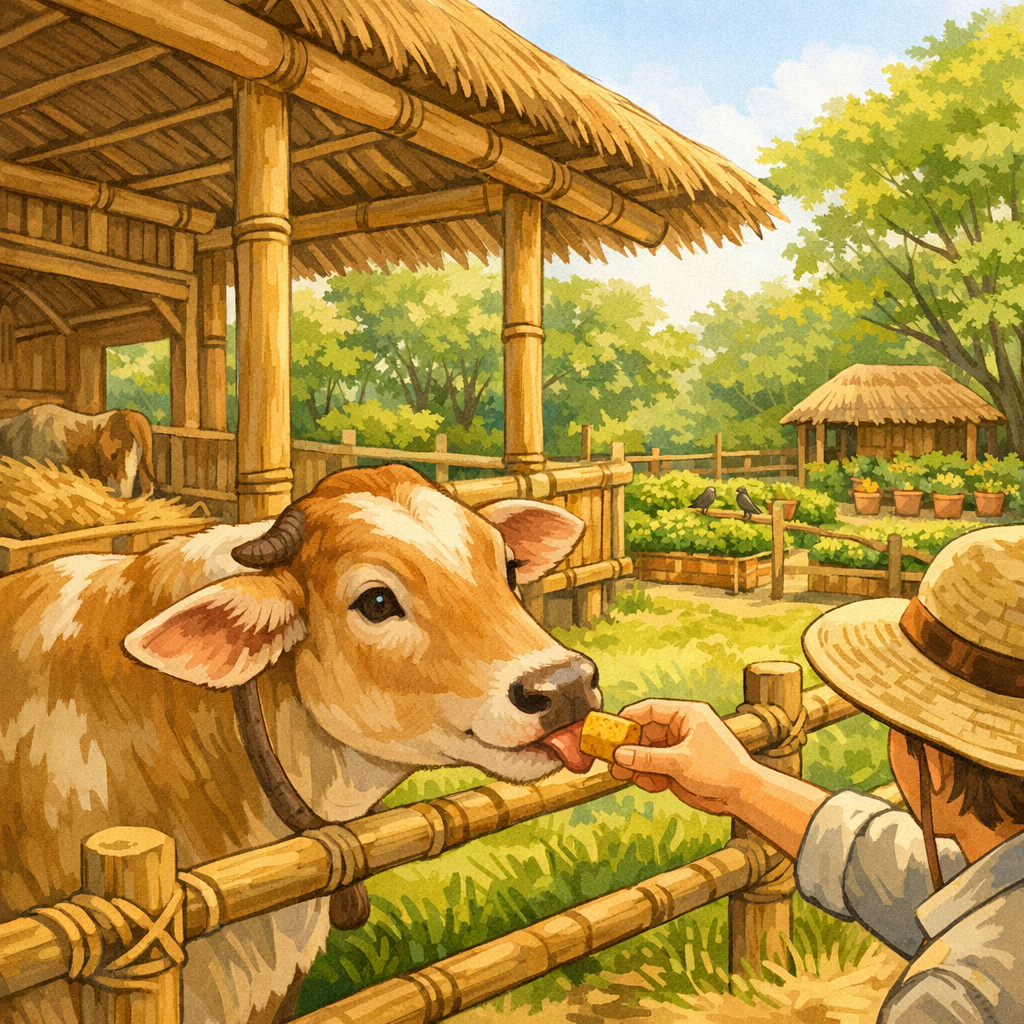
The Foundation of Compassion: Starting a Cattle Shelter in India
Beginning the journey to build a sanctuary for rescued cows and bulls is one of the most noble endeavors a person can undertake. As we navigate the complexities of animal welfare in our country, creating a safe, sustainable space for these gentle giants is essential. Whether you are inspired by the plight of abandoned cattle in urban settings or rural distress, starting a responsible shelter requires more than just land; it demands a deep commitment to animal ethics. If you are just beginning your journey into compassionate animal stewardship, exploring our cow hub will provide you with the essential foundational knowledge needed for ethical caregiving and best practices in the Indian context.
At Pawsitive Hoomans, we believe that the success of any shelter lies in the balance between modern husbandry techniques and a philosophy of non-violence. Establishing a facility for rescue cattle in India is not merely about providing a roof; it is about rehabilitation, proper nutrition, and ensuring these animals live their lives with dignity, free from the exploitation often found in commercial dairy setups.
Assessing Resources and Infrastructure
Before bringing home your first rescue, you must realistically assess your resources. A cattle shelter, or ‘Gaushala,’ needs ample space for movement. Veterinary experts recommend a minimum of 80 to 100 square feet of dry, covered area per animal, plus an open paddock for grazing. In India, the climate can be harsh; therefore, your structure must have adequate ventilation, protection from monsoon winds, and proper drainage systems to prevent the buildup of slurry, which can lead to foot infections.
Water is your most critical resource. Each adult bovine requires approximately 50 to 80 liters of clean, fresh water daily, depending on the temperature and their health status. Investing in a robust rainwater harvesting system or a reliable borewell is non-negotiable. Furthermore, consider the logistics of fodder sourcing. Can you grow your own seasonal green fodder to supplement purchased dry straw? Sustainable shelters often integrate hydroponic units or small-scale farming to ensure a consistent, nutritious supply of feed.
The Pawsitive Hoomans Take
At Pawsitive Hoomans, our philosophy is rooted in positive reinforcement and force-free interaction. When managing a shelter, we advocate for ‘low-stress handling.’ Traditional methods of cattle control in India often involve aggressive herding or restrictive tethers, which we strongly discourage. Instead, focus on building trust. Use positive reinforcement, such as high-value treats like jaggery or fruit, to encourage calm movement during medical checks or foot trimming. Remember, these animals often arrive at shelters with trauma; patience is the most powerful tool in your shed. We never support breeding programs or the commercial exploitation of shelter animals. Your mission is to provide a ‘forever home’ for rescues, not to add to the population of animals requiring care.
🐾 Keep a complete health record for your pet with our free Pet Passport. Track vaccinations, weight and behaviour in one place.
Legal Requirements and Community Engagement
Operating a shelter in India involves navigating local municipal laws and animal welfare board regulations. You must register your organization as a Trust or an NGO to ensure transparency in funding and operations. Being transparent with your local community is also vital. A well-run shelter that manages its waste properly—by converting cow dung into vermicompost or biogas—can be an asset to the local neighborhood rather than a nuisance. Engage with local villagers and residents; when the community sees that your shelter is clean, organized, and scientifically managed, they are far more likely to support your mission, either through volunteering or donating fodder.
Medical Preparedness and Quarantine
Every shelter must have a dedicated quarantine area. New arrivals, especially those rescued from city streets, often carry parasites or contagious diseases like Foot and Mouth Disease (FMD) or Lumpy Skin Disease. A 21-day quarantine period allows you to monitor their health, deworm them, and ensure they are stable before introducing them to the main herd. Never attempt to treat complex medical conditions without professional oversight. For an exact dietary requirement based on the age and health of your rescue, always consult with a local veterinarian, and for ongoing wellness monitoring, keep a detailed log in your Pet Passport to ensure every medical history is tracked accurately over the years.
Not sure what your pet needs? Use our free tools — Emergency Triage Guide or Custom Diet Calculator.
Frequently Asked Questions
How much land is needed for a small cow shelter in India?
Minimum of 1 acre of land is recommended to comfortably house 10-15 rescued cattle while providing space for a stable, open paddock, and a fodder storage area. You must ensure at least 80-100 square feet of covered shelter space per animal to prevent overcrowding and stress, which are major factors in the spread of disease within a herd.
What is the best way to feed rescued cattle without buying expensive feed?
Feeding a mix of seasonal green fodder, paddy straw, and homemade mineral-rich silage is the most cost-effective way to maintain cattle health in India. You can significantly reduce costs by growing your own ‘CO-4’ or ‘CO-5’ grass and creating a small vermicompost unit to process waste, which can then be used to fertilize your fodder crops, creating a sustainable, circular feeding cycle.
Is it legal to start a shelter for stray cattle in a residential area?
No, you cannot typically establish a cattle shelter in a densely populated residential zone due to municipal waste disposal and noise regulations. You should look for land in rural or peri-urban areas that are zoned for agricultural or animal husbandry purposes, ensuring that you can manage manure disposal without impacting public sanitation or local water sources.
Disclaimer: Pawsitive Hoomans provides general information for educational purposes only. We are not veterinarians. All decisions regarding the health, housing, and medical treatment of animals should be made in consultation with a qualified veterinarian or animal welfare professional.