
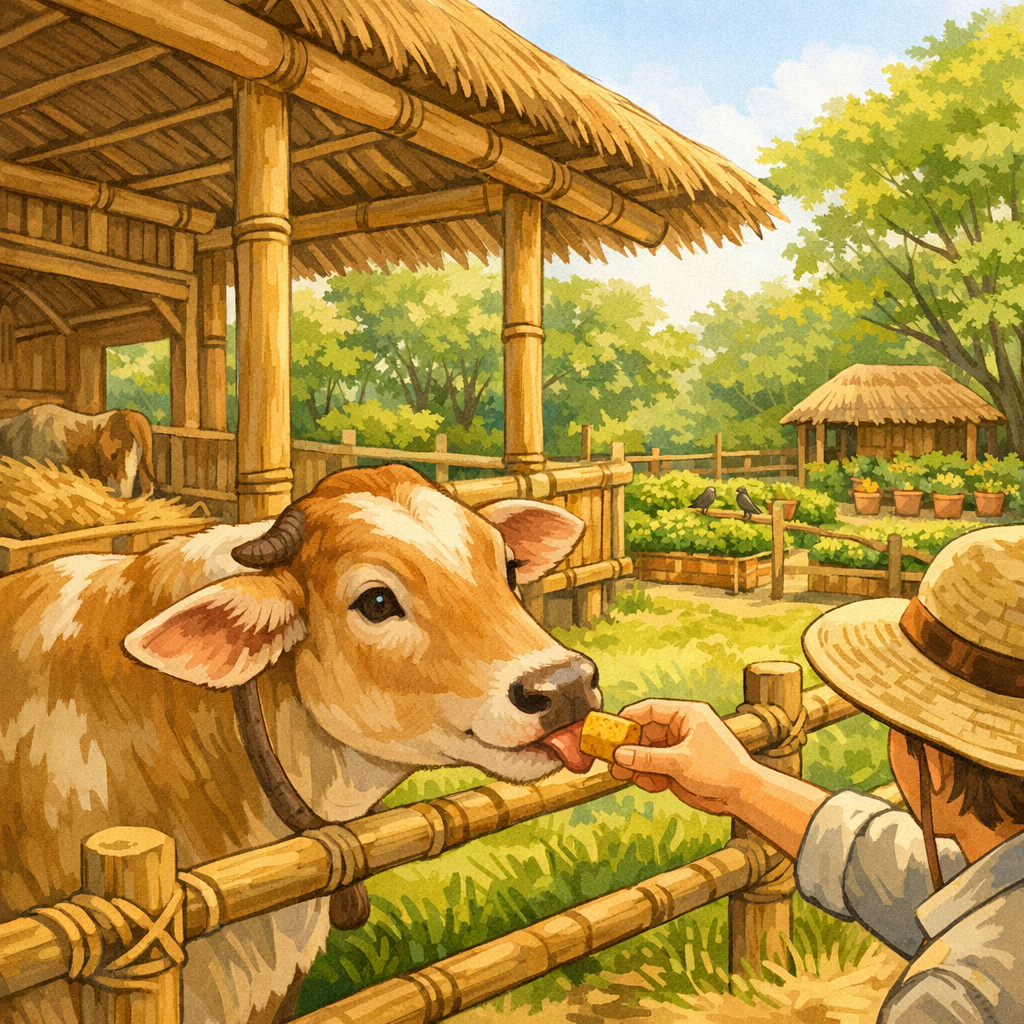
Understanding the Best Fit: Desi Cow vs Jersey Cow
Choosing to bring a bovine companion into your farm or family environment is a significant decision that requires deep thought about welfare, climate suitability, and purpose. When exploring the differences between a desi cow vs jersey cow, it is essential for prospective guardians to understand that each animal has unique physiological needs and environmental preferences. At Pawsitive Hoomans, we advocate for choices that prioritize the animal’s long-term health and quality of life. For those beginning their journey into bovine care, we recommend visiting our comprehensive cow-hub/ to learn more about the fundamentals of responsible cattle stewardship.
In India, the conversation around these breeds often centers on milk yield, adaptability to the tropical climate, and overall resilience. However, as ethical pet parents and animal advocates, our primary concern should always be the animal’s comfort and its ability to thrive in its local environment. Both desi (indigenous) and Jersey (imported) breeds bring distinct qualities, but they demand vastly different approaches to care, housing, and nutrition.
The Physiological Differences
Desi cows, often referred to as ‘Bos indicus,’ are characterized by their prominent humps, large dewlaps, and long, pendulous ears. These anatomical features are not just aesthetic; they are evolutionary masterpieces designed for heat dissipation. The hump, which contains fatty tissue, acts as an energy reservoir, while the loose skin provides a larger surface area for cooling in hot, humid Indian climates. These cattle have evolved over thousands of years to resist common tropical diseases and parasites, making them incredibly hardy.
In contrast, the Jersey cow is a ‘Bos taurus’ breed originating from the cooler, temperate climate of the British Channel Islands. They are smaller in stature compared to other international dairy breeds and are known for their high butterfat content in milk. However, they lack the heat-tolerance adaptations of desi breeds. When placed in the intense heat of the Indian summer, a Jersey cow may face significant physiological stress, often requiring climate-controlled housing, extra hydration, and meticulous management of their living space to prevent heat exhaustion and chronic illness.
The Pawsitive Hoomans Take
At Pawsitive Hoomans, we believe that the most ethical choice is always to prioritize breeds that are naturally adapted to the local climate. Research shows that keeping non-indigenous breeds in environments that significantly deviate from their ancestral comfort zone places unnecessary pressure on the animal’s immune system. We champion the adoption and rescue of desi cattle, as they are not only more sustainable for the Indian ecosystem but also represent a vital part of our agricultural heritage. When you choose an indigenous breed, you are choosing a partner that has been ‘designed’ by nature to handle our local sunshine, food sources, and even the local insect population.
🐾 Keep a complete health record for your pet with our free Pet Passport. Track vaccinations, weight and behaviour in one place.
Nutritional and Environmental Considerations
The dietary requirements of these two types of cattle also differ substantially. Desi cows are remarkably efficient at converting roughage—such as dry stalks, local grasses, and agricultural byproducts—into energy. Their digestive systems are built for variety and resilience. If you are managing their diet, it is vital to provide balanced, nutrient-dense forage that matches their life stage. For an exact daily portion tailored to your cow’s specific weight, use the free Custom Diet Calculator at pawsitivehoomans.com/cow-diet/.
Jersey cows, because they have been selectively bred for high milk production in different agricultural systems, often require higher-quality concentrates and a more consistent, nutrient-dense diet to maintain their health. This can lead to higher costs for the guardian and a greater need for vigilance regarding metabolic issues. Environmental management is equally demanding for Jersey cows; they require shade, high-airflow ventilation, and potentially misting systems during the peak summer months to remain comfortable and disease-free.
Ethical Sourcing and Rescue
We strongly advocate against the commercial breeding industry. Whether you are interested in a desi or a Jersey cross, we encourage you to look toward local animal shelters or rescue organizations. Many desi cows are abandoned once their productive years wane, and providing a sanctuary for these animals is a profoundly rewarding way to practice ethical cattle stewardship. By rescuing, you bypass the cruel cycles of commercial dairy and provide a life of dignity to a sentient being.
Ultimately, the health of your cow depends on consistent, proactive care. Tracking health milestones, vaccinations, and weight changes is crucial. To keep all your documentation in one place, we recommend managing your animal’s health profile via our Pet Passport tool.
Frequently Asked Questions
Are desi cows better for the Indian climate than Jersey cows?
Yes, desi cows are significantly better adapted to the Indian climate due to their evolutionary traits like the hump and loose skin which help dissipate heat. These physical adaptations allow them to thrive in high temperatures and resist local tropical diseases, whereas Jersey cows typically suffer from heat stress in the same conditions.
What is the main difference in milk quality between the two breeds?
Jersey cow milk is typically higher in butterfat and protein content, while desi cow milk is often characterized by its A2 protein structure and high nutritional density, which many consider easier to digest. While Jersey milk is rich in cream, desi milk provides unique health benefits that have been valued in Indian tradition for centuries.
How much space does a rescued desi cow need?
A rescued desi cow requires a minimum of 100 to 120 square feet of dry, shaded shelter space, plus access to at least 300 to 500 square feet of open area for movement and exercise. Providing ample space is critical for their psychological well-being and helps prevent the buildup of waste that can lead to hoof issues or skin infections.
Not sure what your pet needs? Use our free tools — Emergency Triage Guide or Custom Diet Calculator.
Disclaimer: Pawsitive Hoomans provides information based on general research and animal welfare advocacy. We are not veterinarians. Always consult with a qualified veterinary professional for specific medical advice, nutritional planning, or health-related decisions for your animals.