
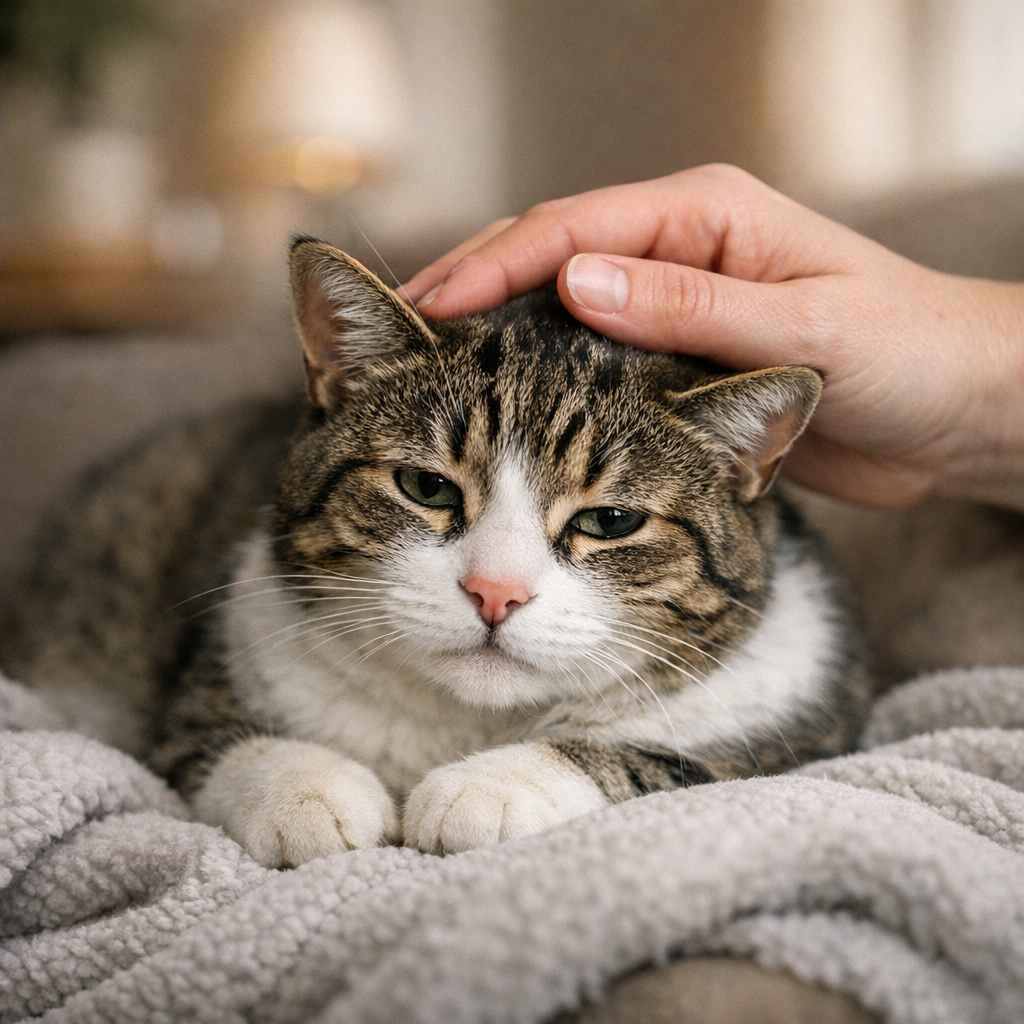
Understanding When Cat Severe Vomiting Requires Immediate Care
As dedicated pet parents, seeing our feline companions unwell can be an incredibly stressful experience. While cats are known for the occasional hairball, cat severe vomiting is a completely different matter that requires your full attention. At Pawsitive Hoomans, we understand that your cat is a cherished family member, and knowing how to navigate these health scares is vital. Whether you have rescued a precious indie cat or welcomed a senior companion into your home, maintaining their health is our top priority. For comprehensive guidance on feline health and lifestyle tips, be sure to explore our cat-hub/ where we dive deep into everything your feline friend needs to thrive.
Vomiting is not a disease in itself; it is a symptom of an underlying issue. When this symptom becomes frequent, forceful, or accompanied by other changes in behavior, it is time to shift from observation to action. While we provide expert-backed information, please remember that we are pet advocates, not medical professionals. Any situation involving repeated vomiting or lethargy should always be evaluated by a qualified veterinarian to ensure your cat receives the specific medical attention they require.
Recognizing the Red Flags of Cat Severe Vomiting
Distinguishing between a harmless hairball and a medical emergency is the first step in responsible pet care. A typical hairball is usually preceded by retching and results in a tubular-shaped mass of fur mixed with mucus. However, cat severe vomiting often involves project-like force, repeated episodes over a short period, or the presence of blood or bile.
Veterinary experts recommend monitoring for these specific warning signs: persistent vomiting that lasts for more than 24 hours, blood in the vomit (which may look like bright red streaks or dark coffee grounds), extreme lethargy, hiding, or refusal to drink water. In the context of our Indian climate, where heat stress can sometimes exacerbate feline health issues, keeping a close eye on their hydration levels is paramount. If your cat is vomiting and seems dehydrated—perhaps showing tacky gums or a loss of skin elasticity—do not wait for the next morning. Seek professional care immediately.
The Pawsitive Hoomans Take
At Pawsitive Hoomans, we believe that an ounce of prevention is worth a pound of cure. When your cat is experiencing severe digestive distress, the worst thing you can do is attempt to ‘wait and see’ while withholding water or forcing home remedies. Many well-meaning pet parents in India often reach for human medications or kitchen staples like ginger or honey without consulting a professional. We strongly advise against this. Administering any substance can potentially complicate a diagnosis or worsen the inflammation in their digestive tract. Instead, prioritize a calm environment, remove food access to prevent further irritation (unless advised otherwise by a vet), and prepare to provide your veterinarian with a clear timeline of the symptoms.
🏥 Is your pet showing these symptoms? Log them instantly in our free Triage Engine inside Pet Passport to get immediate guidance.
What Causes Cat Severe Vomiting?
The triggers for persistent vomiting in cats are vast, ranging from dietary indiscretion to more serious systemic conditions. Common culprits include the ingestion of toxic plants commonly found in Indian households (like lilies), sudden changes in commercial cat food, ingestion of foreign objects (such as thread or rubber bands), or parasitic infections like roundworms. Even stress, triggered by changes in the household or new pets, can manifest as digestive upset.
Because cats are masters at masking discomfort, by the time they are vomiting frequently, the issue may have already been brewing for some time. Regular check-ups and tracking your pet’s health trends are the best ways to catch these issues before they escalate. For an accurate tracking method, you can keep a detailed history of your cat’s health using our Pet Passport tool, which helps you provide clear data to your vet during an emergency visit.
Not sure what your pet needs? Use our free tools — Emergency Triage Guide or Custom Diet Calculator.
Frequently Asked Questions
How many times can a cat vomit before it is considered an emergency?
If a cat vomits more than twice within a 24-hour period, or if they vomit once and then continue to show signs of lethargy or weakness, it should be treated as a medical emergency. While a single, isolated incident might be a simple case of a hairball, repeated episodes indicate that the cat’s digestive system is under significant stress and requires diagnostic testing to rule out obstructions or systemic illness.
Can I give my cat curd or rice to settle their stomach?
No, you should not feed your cat human foods like rice and curd if they are actively vomiting, as these can further irritate an inflamed digestive tract or cause an imbalance. When a cat is suffering from severe vomiting, they need a professional medical assessment to determine the cause; introducing new foods while they are sick can complicate the vet’s ability to stabilize them.
Should I withhold water if my cat is vomiting?
Do not withhold water unless your veterinarian has specifically instructed you to do so, as cats can become dangerously dehydrated within hours of severe vomiting. Instead, offer small, frequent amounts of fresh water and observe. If the cat vomits immediately after drinking, contact a veterinary clinic right away, as your cat may require subcutaneous or intravenous fluids to remain stable.
Disclaimer: This article is for educational purposes only and does not constitute veterinary medical advice. Always consult with a qualified veterinarian before making decisions about your pet’s health, diet, or treatment. If your pet is experiencing a medical emergency, please contact your nearest animal hospital immediately.