
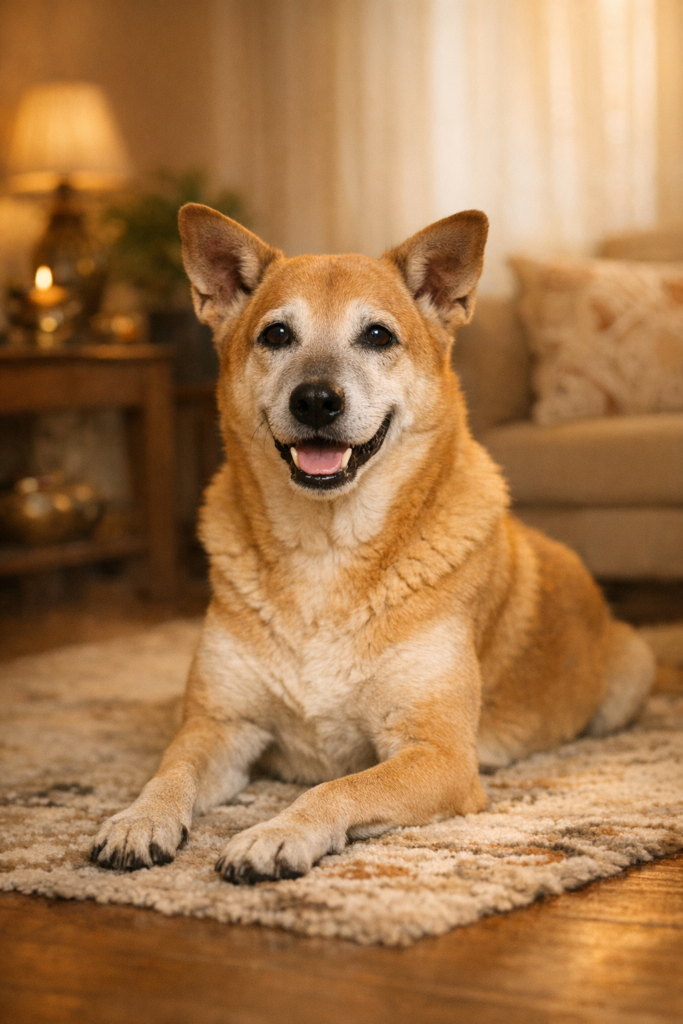
Understanding Senior Indie Dog Care
Welcoming a senior Indian Pariah dog into your heart or caring for one that has been part of your family for years is a deeply rewarding experience. When we talk about senior indie dog care, we are focusing on the unique needs of our resilient local breeds as they transition into their golden years. Whether you have adopted a rescue or have a long-term companion, ensuring they live comfortably requires patience, observation, and a whole lot of love. As pet parents, we want to make sure these dogs, who are often overlooked in favour of imported breeds, get the high-quality life they truly deserve. You can find comprehensive resources for all stages of your canine companion’s life by visiting our dog hub, which offers tailored advice for every milestone.
Indie dogs are known for their incredible genetic health and robustness, but even the strongest bodies experience the passage of time. Generally, an Indie dog is considered ‘senior’ once they cross the age of seven or eight. At this stage, you might notice subtle changes in their activity levels, metabolism, and perhaps even their temperament. At Pawsitive Hoomans, we advocate for proactive care—understanding these changes early on allows us to adjust our routines to ensure their comfort and happiness as they age gracefully.
Modifying Nutrition for Your Senior Companion
As your dog enters their twilight years, their metabolism slows down, meaning their caloric needs change significantly. It is crucial to monitor their weight closely, as excess weight puts unnecessary strain on their joints, which are already prone to wear and tear. A balanced diet should focus on high-quality proteins that are easy to digest, along with essential vitamins and minerals that support cognitive health and immune function. Always avoid ‘human’ leftovers, as the salt and spice content in Indian diets can be harmful to a dog’s sensitive kidneys.
Hydration is equally important. Ensure your senior Indie always has access to fresh, clean water. If you notice they are drinking significantly more or less than usual, it is a sign to consult your veterinarian for a check-up. For an exact daily portion tailored to your senior dog’s weight, use the free Dog Diet Calculator at pawsitivehoomans.com/dog-diet/.
The Pawsitive Hoomans Take
We believe that senior dogs are the most soulful companions one could ask for. They have a depth of character and a calm presence that is unmatched. Our philosophy at Pawsitive Hoomans centers on force-free, positive reinforcement training. Even for senior dogs, this means avoiding aversive tools and focusing on gentle encouragement. If your senior Indie is experiencing mobility issues, do not force them to exercise beyond their comfort levels. Instead, focus on short, gentle walks on soft surfaces like grass rather than concrete, and prioritize mental enrichment games that keep their minds sharp without stressing their bodies.
🐾 Keep a complete health record for your pet with our free Pet Passport. Track vaccinations, weight and behaviour in one place.
Creating a Senior-Friendly Environment
As dogs age, their senses may start to diminish. You might notice your dog stumbling on stairs or having difficulty locating their water bowl at night. Making small, practical adjustments to your home can make a world of difference. Ensure that all pathways are clear of clutter, and if you have slippery tiles (very common in Indian households), consider using yoga mats or rugs to provide better traction. This prevents slips that could lead to injury. If your dog is struggling with joint stiffness, an orthopedic bed that provides firm support can help them get the restful sleep they need.
Veterinary Care and Preventive Health
When it comes to the medical aspects of senior Indie dog care, regularity is key. We recommend scheduling bi-annual vet visits rather than annual ones. Senior dogs are more susceptible to age-related conditions like arthritis, dental disease, and declining kidney function. Blood work is an invaluable tool for detecting these issues long before they manifest as outward symptoms. Remember, we are not medical professionals, and this content is for educational purposes. Any significant change in behavior, appetite, or energy levels should be assessed by a qualified veterinarian immediately. Never attempt to medicate your dog at home without professional guidance.
Not sure what your pet needs? Use our free tools — Emergency Triage Guide or Custom Diet Calculator.
Conclusion
Caring for a senior Indie is a profound act of kindness. By being attentive to their changing needs, providing a stable environment, and maintaining regular veterinary check-ups, you can ensure their final years are filled with comfort and dignity. Keep a close eye on their health markers and manage their wellbeing with the Pet Passport to ensure no detail is missed in their care plan.
Frequently Asked Questions
Is it normal for my 10-year-old Indie dog to sleep all day?
Yes, it is normal for a 10-year-old Indie dog to spend a large portion of the day sleeping, as their energy levels naturally decline with age. However, if this lethargy is accompanied by an inability to wake up, a change in breathing, or a loss of appetite, you should consult your veterinarian to rule out underlying health issues.
How can I manage arthritis pain in my senior Indian dog?
You can manage arthritis pain by ensuring your dog has a soft, orthopedic bed, keeping them at a healthy weight to reduce joint pressure, and providing gentle, low-impact exercise on soft surfaces. Always consult a veterinarian for appropriate pain management plans, as you should never administer human painkillers to a dog.
Should I change my senior dog’s diet to senior-specific food?
Yes, transitioning to a senior-specific diet is often beneficial as these foods are formulated with lower calories and joint-supporting supplements like glucosamine and chondroitin. Please consult your vet before making the switch to ensure the specific brand or formulation meets your dog’s unique health profile.
Disclaimer: Pawsitive Hoomans provides general information for educational purposes only. We are not veterinarians. Always consult a qualified veterinary professional for medical advice, diagnoses, or treatment plans regarding your specific pet.