
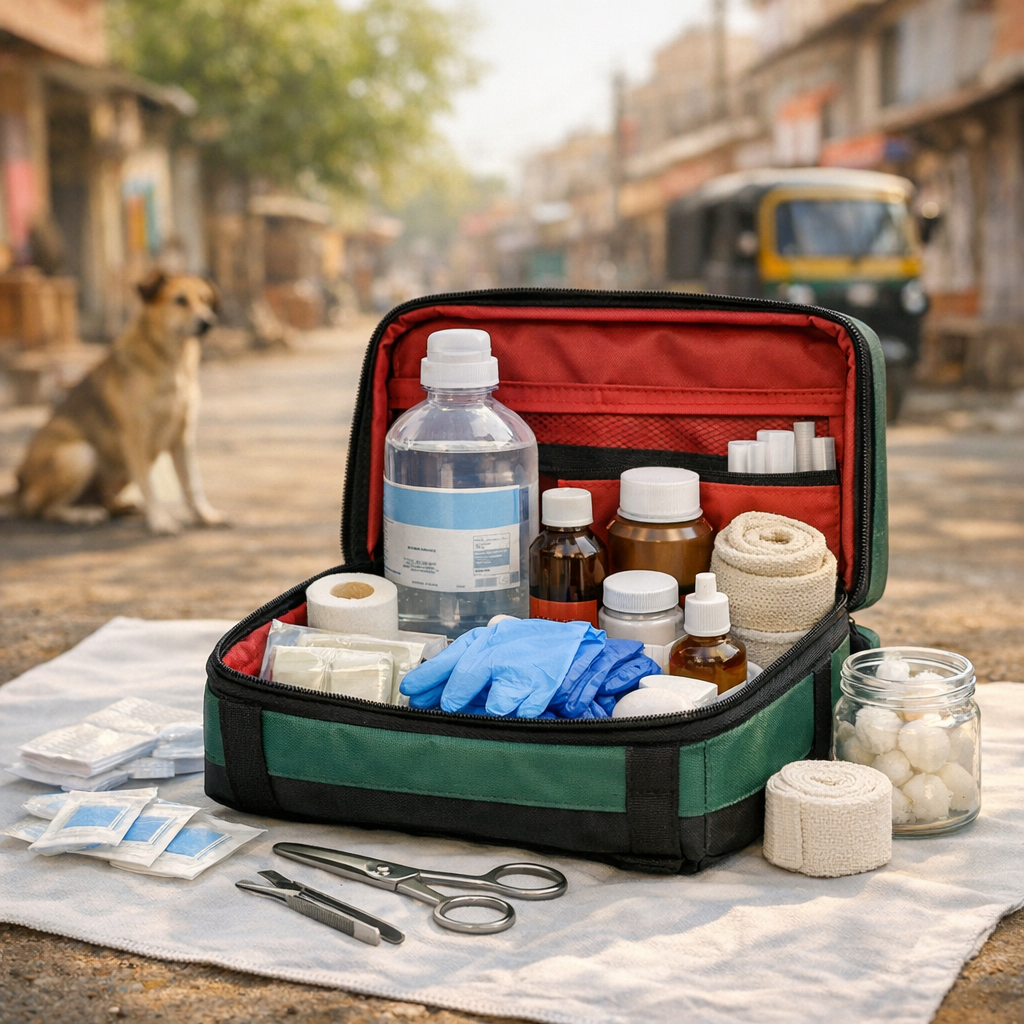
Building Your Essential Street Animal First Aid Kit
In the vibrant, bustling streets of India, we often cross paths with our four-legged community members—the beautiful indie dogs and cats who call our neighborhoods home. As pet parents and dedicated animal welfare advocates, we know that being prepared for minor injuries is part of being a compassionate human. Building a street animal first aid kit is one of the most proactive steps you can take to ensure you are ready to provide immediate, gentle care to a stray in need. Whether you are caring for your own companion from our comprehensive dog hub or helping a neighborhood stray, having these supplies on hand can bridge the gap until professional care is available.
It is important to remember that street animals are often wary of humans, especially when they are in pain. A first aid kit is not a replacement for veterinary treatment; rather, it is a tool to stabilize a situation, prevent infection, and keep an animal comfortable while you coordinate with a vet or a rescue NGO. Safety for both you and the animal is paramount, which is why your kit should focus on cleanliness, basic wound management, and restraint tools.
The Must-Have Essentials for Your Kit
When assembling your gear, keep your kit in a waterproof, portable bag that you can keep in your vehicle or take on your daily walks. For our Indian climate, ensure that all creams and ointments are stored in a cool, dry place to prevent degradation. Here is what we recommend including:
- Saline Solution (0.9%): This is the gold standard for flushing out dirt, debris, or insects from a fresh wound.
- Sterile Gauze Pads and Self-Adhesive Bandages: Avoid sticky tapes that pull on fur. Self-adhesive wraps are gentle and don’t require scissors to apply.
- Antiseptic (Betadine/Povidone-Iodine): A staple in Indian pharmacies, but remember to dilute it with water until it looks like weak tea before applying to a wound.
- Blunt-ended Scissors: Essential for cutting away matted fur around a wound without risking skin nicks.
- Disposable Gloves: Protect yourself and prevent the spread of bacteria between you and the street animal.
- A Sturdy Muzzle or Towel: Even the gentlest dog may bite if they are scared or in pain. A thick towel is an excellent tool for safely handling a cat or a small dog.
- Emergency Contacts: Keep a laminated list of 24/7 veterinary clinics and local animal rescue organizations in your area.
The Pawsitive Hoomans Take
At Pawsitive Hoomans, we believe that kindness in the streets starts with preparedness. We advocate for a “observe, assess, and act” approach. If you find a street animal in distress, the first step is to assess your own safety. Never corner an animal in pain. If the injury appears severe, such as an open fracture, heavy bleeding, or difficulty breathing, do not attempt home surgery. Instead, use your first aid supplies only to stabilize them while you contact a local rescue group or take them to the nearest veterinarian. For tracking your local strays or logging health patterns, our digital pet passport is a wonderful tool to keep records of medical history, vaccination dates, and specific behavioral notes for the street animals you look after.
🏥 Is your pet showing these symptoms? Log them instantly in our free Triage Engine inside Pet Passport to get immediate guidance.
Managing Common Street Injuries Safely
Wound care is the most common reason to use your kit. In India, maggots (myiasis) are a significant risk during the humid monsoon months. Always check wounds for small holes or foul smells. If you see signs of infection, do not attempt to “clean it out” yourself; seek a veterinarian immediately. The most you should do is keep the area covered with a clean cloth to prevent flies from reaching it while you travel to the clinic.
For minor scrapes, gently flushing with saline and applying a thin layer of a vet-approved antiseptic ointment can prevent complications. Remember, always use positive reinforcement when interacting with these animals. Use a calm voice, avoid direct eye contact, and offer a small, safe treat if they seem receptive. Force-free handling is the best way to gain the trust of a street animal who may have had negative experiences with people in the past.
Not sure what your pet needs? Use our free tools — Emergency Triage Guide or Custom Diet Calculator.
Frequently Asked Questions
Can I use Dettol on a wounded street dog?
No, you should never use Dettol or Savlon directly on an animal’s open wound as it can be highly toxic and cause severe tissue damage. Always use diluted Povidone-Iodine (Betadine) or sterile saline solution to clean wounds on stray dogs or cats, as these are much safer for their sensitive skin.
How do I catch a scared street dog to help it?
Approach the dog slowly from the side, speaking in a soft, low voice, and use a thick blanket to gently cover them if they are small, or offer a high-value treat to lure them closer. Never chase a scared dog; instead, sit on the ground a few meters away to show you are not a threat, and always have a contact number for a professional animal handler if the dog is showing signs of aggression.
What should I do if I find an injured kitten on the road?
Pick up the kitten gently using a small towel to wrap its body, which keeps it warm and prevents it from scratching you while you secure it in a ventilated box. Once the kitten is contained, check for visible wounds or breathing issues, and transport it immediately to a veterinarian, as kittens are fragile and can succumb to shock or dehydration very quickly.
We strongly recommend keeping a detailed record of any animal you provide care for by using our Pet Passport to ensure that any follow-up treatments or vaccination history are tracked correctly.
Disclaimer: The information provided here is for educational purposes only and is not a substitute for professional veterinary advice, diagnosis, or treatment. Always consult with a qualified veterinarian regarding the health, medical care, and safety of any animal, especially in emergency situations.