
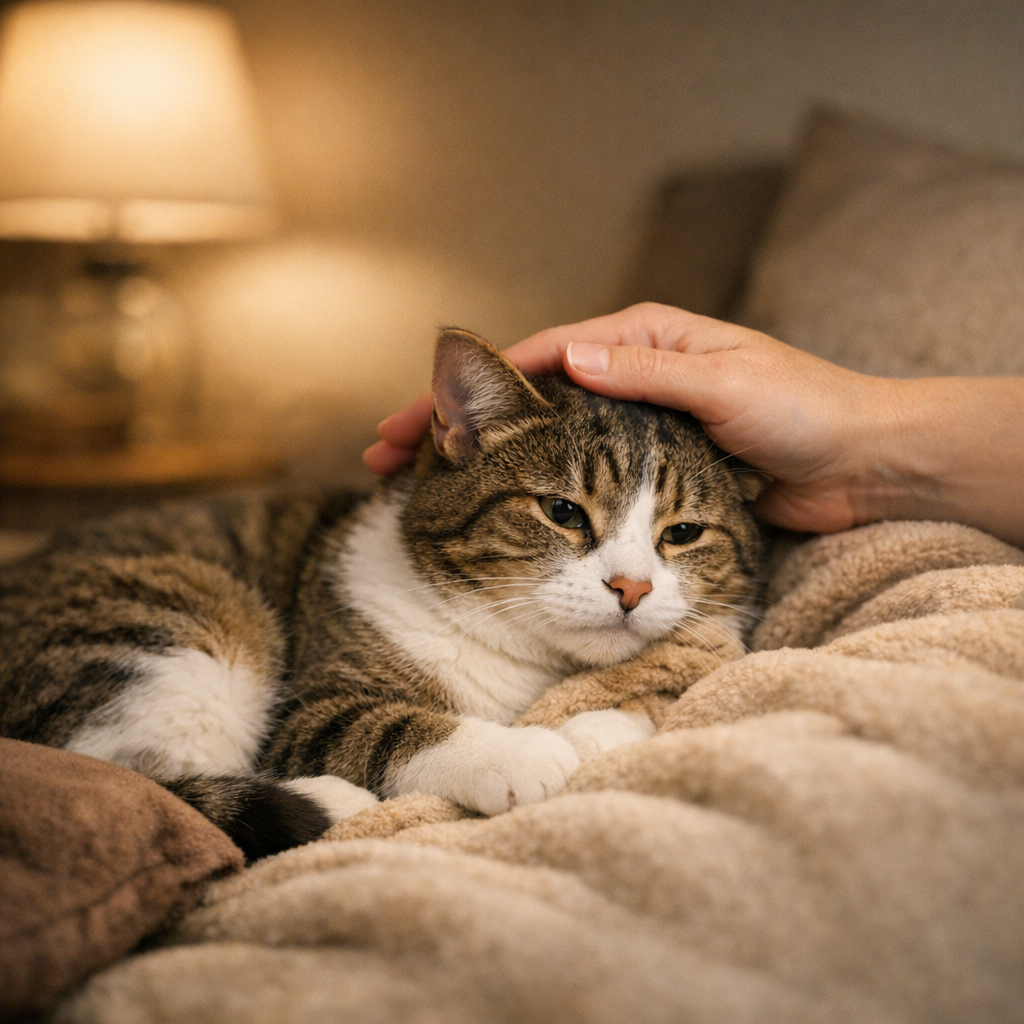
Understanding Cat Seizures: A Guide for Concerned Cat Parents
Witnessing your feline companion experience a seizure can be one of the most frightening moments for any owner. At Pawsitive Hoomans, we understand how vital it is to remain calm and informed when faced with such emergencies. While seeing your pet in distress is overwhelming, knowing exactly what to do can make a world of difference. Before we dive into the steps for managing these episodes, if you are looking for comprehensive resources on feline care and wellness, we encourage you to explore our cat-hub/ for expert-curated guidance on all things related to your furry friend.
A seizure, or a convulsion, occurs due to a temporary, involuntary disturbance of normal brain function. It often looks like sudden, uncontrolled shaking, twitching, or stiffening of the body. While the sight is distressing, it is important to remember that during the event itself, your cat is generally unaware of what is happening. By staying grounded and following these safety protocols, you become their best advocate in a moment of vulnerability.
Identifying the Signs of a Seizure
Seizures can manifest in different ways, not all of which involve violent thrashing. Some cats may experience “focal” seizures, which might look like localized twitching of the face, a paw, or excessive salivation. Generalized seizures, on the other hand, involve the entire body, often causing the cat to fall over, paddle their legs, chomp their jaws, or even lose bladder control. Regardless of the type, the priority is always safety.
The Pawsitive Hoomans Take
At Pawsitive Hoomans, our philosophy is rooted in proactive, compassionate care. We believe that pet parenting is a partnership between you and your local veterinary team. When it comes to neurological issues like seizures, there is no place for home-remedy guesswork. Veterinary experts recommend that any seizure, even a brief one, warrants a thorough investigation. We advocate for a diagnostic approach that looks at the whole cat—their environment, their diet, and their medical history—rather than just treating the symptom.
🏥 Is your pet showing these symptoms? Log them instantly in our free Triage Engine inside Pet Passport to get immediate guidance.
Immediate Steps During an Active Seizure
If you find your cat in the middle of a seizure, follow these steps to ensure their safety:
- Stay Calm: Your cat can sense your distress. Keep your voice low and gentle if you need to speak.
- Protect the Surroundings: Gently remove any sharp objects, furniture, or hard items nearby that could cause injury during their thrashing. If they are on a high surface like a sofa, carefully move them to the floor if it can be done safely.
- Do Not Intervene: Never put your hands in your cat’s mouth. Even an unconscious, seizing cat can bite down instinctively, which could cause serious injury to you.
- Time the Event: Keep a close eye on the clock. Note how long the seizure lasts. Most seizures are brief, but anything lasting longer than three minutes is a medical emergency that requires immediate transit to a vet.
- Keep Them Cool: If the seizure lasts longer than a few minutes, your cat’s body temperature can rise dangerously. Use a damp, room-temperature towel on their paws to help dissipate heat.
Post-Seizure Care
After the seizure, your cat may enter the ‘post-ictal’ phase. They might act confused, disoriented, or even aggressive. This is temporary and perfectly normal. Provide a dark, quiet, and confined space to help them recover. Ensure they have access to water but do not force-feed them anything until they are fully alert and stable.
Common Causes to Discuss with Your Vet
The causes of feline seizures are vast. They can range from exposure to household toxins (like certain essential oils or cleaning chemicals) to metabolic issues, low blood sugar, or underlying neurological conditions. Because the list is extensive, professional diagnosis is mandatory. Your veterinarian will likely want to run blood tests, imaging, or other diagnostics to rule out underlying health complications.
Not sure what your pet needs? Use our free tools — Emergency Triage Guide or Custom Diet Calculator.
Frequently Asked Questions
What should I do immediately after my cat stops seizing?
Keep your cat in a quiet, low-light room for at least 30 to 60 minutes after the seizure ends to ensure they are not overstimulated. During this time, monitor their breathing and ensure they are not showing signs of extreme distress. Once they have regained their coordination, call your veterinarian to schedule an appointment, even if your cat seems completely back to normal.
How long does a typical cat seizure last?
Most feline seizures last between 30 seconds and two minutes. If your cat’s seizure continues for more than three minutes, or if they have multiple seizures in a 24-hour period, you should consider this a critical emergency and seek veterinary care immediately.
Can a change in diet stop my cat from having seizures?
No, there is no specific diet that serves as a cure for seizures, though nutritional balance is important for overall neurological health. It is essential to work with a vet to investigate the root cause, as seizures are often linked to toxins, infections, or organ function rather than just food intake. You can maintain a detailed log of your cat’s health history using our Pet Passport to help your vet identify patterns effectively.
Disclaimer: We are passionate pet care advocates, not veterinarians. The information provided here is for educational purposes and should not replace professional medical advice. Always consult with a qualified veterinarian regarding your pet’s health, diagnosis, or treatment.