
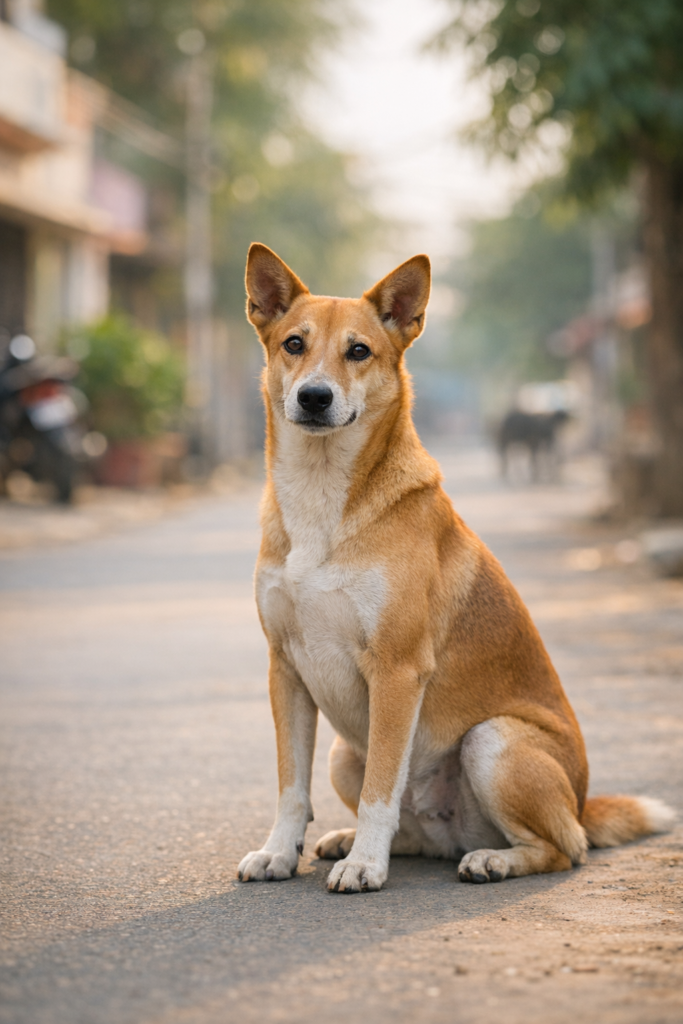
Understanding Common Street Dog Diseases in India
Caring for an Indie dog or a community canine is one of the most rewarding experiences a human can have. As we navigate the complexities of their health, it is essential to stay informed about the common street dog diseases in India. Because these dogs are resilient survivors, they often mask their pain until a condition becomes advanced. Being a proactive pet parent or community caretaker means knowing exactly what to look for to ensure your furry friend stays healthy and happy. If you are just starting your journey as a guardian for a stray or adopted pup, our dog hub provides extensive resources to help you provide the best possible care.
Environmental factors, climate, and the unique challenges of urban living in India contribute to specific health risks. While these dogs are incredibly hardy, they are not immune to viral, bacterial, or parasitic infections that are prevalent in our tropical environment. By learning about these conditions early, you can advocate for their well-being and provide timely support.
The Pawsitive Hoomans Take
At Pawsitive Hoomans, we believe that every dog—regardless of their pedigree—deserves a life free from preventable suffering. Our approach to managing common street dog diseases in India is rooted in kindness, observation, and science. We strongly advocate for community-led vaccination drives and sterilisation efforts, which are the most effective tools we have to control the spread of infectious diseases. We always encourage positive reinforcement and stress-free handling when assessing a sick dog. Remember, even the most aggressive or scared stray is often just a dog in pain; patience is your most valuable tool.
🏥 Is your pet showing these symptoms? Log them instantly in our free Triage Engine inside Pet Passport to get immediate guidance.
Viral Threats: Parvovirus and Distemper
Canine Parvovirus and Canine Distemper remain two of the most significant threats to street dogs in India. Parvovirus is highly contagious and affects the gastrointestinal tract, often leading to severe dehydration. Symptoms include lethargy, loss of appetite, fever, and bloody diarrhea. Because this virus can survive in soil for months, unvaccinated puppies are at the highest risk. Canine Distemper, on the other hand, is a multi-systemic virus that impacts the respiratory, gastrointestinal, and nervous systems. Watch for nasal discharge, coughing, and twitching movements. If you suspect either, contact a veterinarian immediately.
Tick-Borne Diseases: The Hidden Enemy
In India’s warm, humid climate, ticks are everywhere. These pests carry deadly blood parasites like Ehrlichia and Babesia. These diseases often manifest as extreme lethargy, pale gums, and sometimes even bleeding or bruising. The best defense is regular check-ups and keeping the living environment clean. For an exact plan on managing parasite prevention, our experts suggest consulting with a local vet to find the best anti-tick protocol suitable for your dog’s specific environment.
Skin Conditions and Mange
You have likely seen street dogs suffering from hair loss and skin irritation—this is often Sarcoptic or Demodectic mange. Mange is caused by microscopic mites that burrow into the skin, leading to intense itching, crusting, and secondary infections. While mange is not immediately fatal, it is incredibly debilitating. Veterinary experts recommend medicated baths and appropriate oral or topical treatments to heal the skin barrier and manage the intense pain these dogs experience.
Not sure what your pet needs? Use our free tools — Emergency Triage Guide or Custom Diet Calculator.
The Importance of Vaccination and Nutrition
Prevention is always cheaper and kinder than cure. An annual anti-rabies vaccination is not just a legal requirement in many Indian cities; it is a life-saving necessity for both dogs and humans. Furthermore, ensuring that community dogs have access to clean water and nutritious food significantly boosts their immune systems, making them more resilient against pathogens. For tips on tracking your pet’s health history, maintaining a digital health record is an excellent way to ensure your vet always has the necessary data to make informed treatment decisions.
Frequently Asked Questions
How can I tell if a street dog has distemper?
A street dog with distemper typically shows signs of thick, sticky nasal discharge, persistent coughing, and fever, often followed by involuntary muscle twitching or seizures. If you notice these symptoms, isolate the dog from others to prevent spread and consult a veterinarian immediately for diagnostic testing and supportive care.
What is the best way to help a street dog suffering from mange?
The best way to help is to take the dog to a veterinarian for a skin scraping test to confirm the type of mange, followed by prescribed medicated baths or oral medication. Avoid using harsh household chemicals or DIY oils, as these can cause severe skin burns and worsen the dog’s condition.
Are Indian street dogs more resistant to common diseases?
While Indian street dogs are known for their high immunity and adaptability, they are not immune to highly infectious diseases like parvovirus, distemper, or tick fever. Their survival is often a testament to their resilience, but they still require human intervention, vaccinations, and prompt medical care to thrive in urban environments.
Disclaimer: We are passionate advocates for pet health, but we are not veterinarians. The information provided here is for educational purposes and should not replace professional medical advice. Always consult with a qualified veterinarian regarding your dog’s specific health needs or if you suspect your pet is ill.