
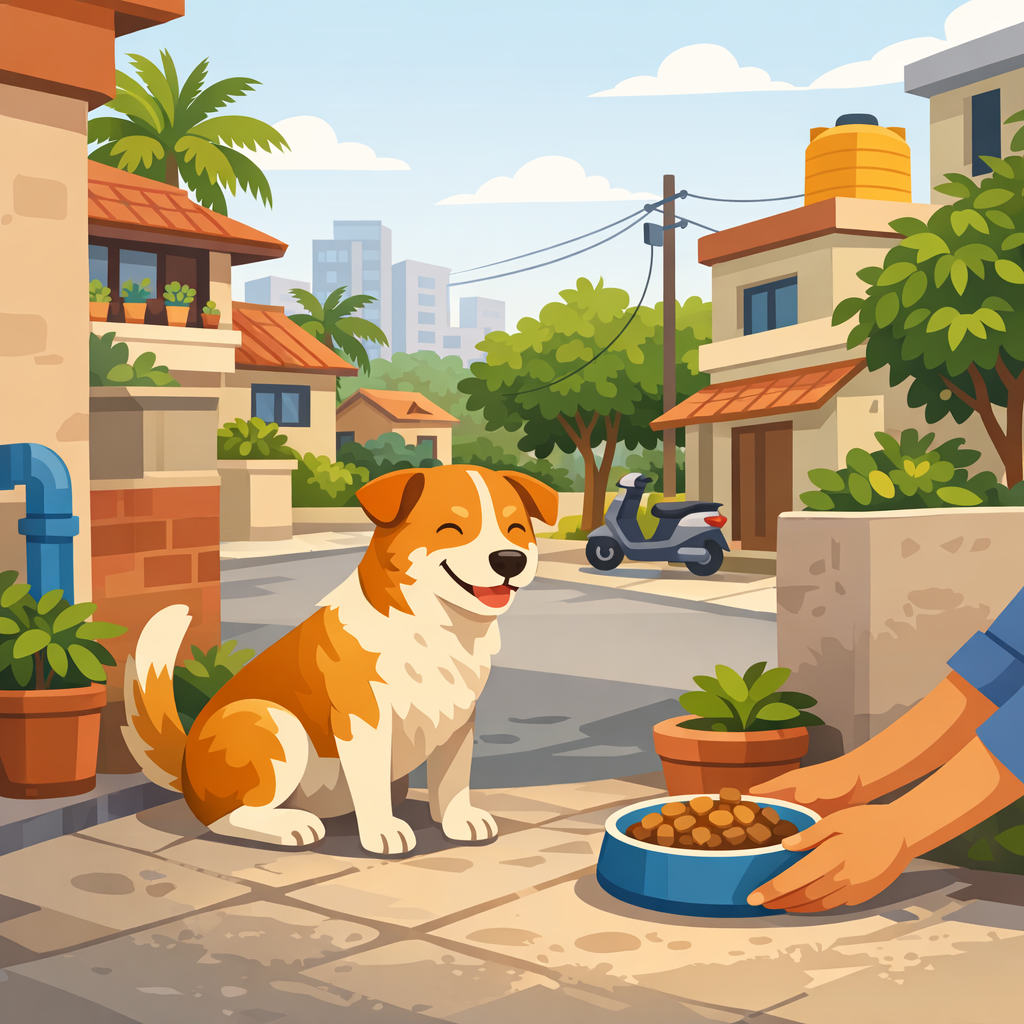
Understanding Responsible Street Dog Feeding
As pet parents and animal advocates living in a bustling city like Bengaluru, we often feel a deep sense of responsibility toward the community dogs that share our streets. Navigating the nuances of street dog feeding rules Bengaluru BBMP guidelines can be complex, but it is an essential part of being a compassionate community member. Whether you are a seasoned feeder or just starting to look after a neighbourhood pack, our comprehensive dog care resources are designed to help you provide the best support possible while maintaining harmony with your surroundings.
Responsible feeding goes far beyond just leaving out a bowl of scraps. It is about balancing animal welfare with civic responsibility. The Bruhat Bengaluru Mahanagara Palike (BBMP) recognizes the importance of the Animal Birth Control (ABC) program, and as residents, our role is to ensure we are facilitating a healthy environment for these animals without causing public nuisance or sanitation issues.
The Importance of Consistent and Hygienic Feeding
When we commit to feeding street dogs, we are essentially taking on a role that requires consistency. Research shows that street dogs thrive when they have a predictable routine. However, this must be balanced with the hygiene of the area. One of the most common complaints regarding street dog feeding involves leftover food attracting pests or creating mess. To be a responsible feeder, always ensure that the food is provided in a designated area and that you clean up any remnants immediately after the dogs have finished eating. Using reusable, eco-friendly bowls or even placing food on large leaves that can be composted is a great way to reduce plastic waste on our streets.
Navigating Local Guidelines
In Bengaluru, the BBMP encourages the community to participate in the care of street animals, provided it is done in a manner that does not inconvenience other residents. The key to successful, conflict-free feeding is communication. Talk to your neighbours and your local Resident Welfare Association (RWA). If you can build a consensus on where and when the dogs are fed, you reduce the chances of friction. The BBMP guidelines emphasize that feeding should not obstruct traffic or cause public health hazards. Always aim for “low-profile” feeding—do it quickly, quietly, and cleanly.
The Pawsitive Hoomans Take
At Pawsitive Hoomans, we believe that every street dog deserves to live a life free from hunger and fear. We advocate for a “Feed, Neuter, Vaccinate” model. Simply feeding is only one part of the equation. We encourage community members to collaborate with local NGOs to ensure the dogs you are feeding are part of the ABC program. An un-neutered pack will grow rapidly, which can lead to further issues. By working with professionals to get these dogs spayed or neutered, you are providing them with the greatest long-term care possible. Always remember, positive reinforcement and kindness are your best tools when interacting with street dogs. Never attempt to force a dog to eat if they are scared or aggressive; instead, leave the food in a safe spot and step away.
🐾 Keep a complete health record for your pet with our free Pet Passport. Track vaccinations, weight and behaviour in one place.
Choosing the Right Diet for Community Dogs
Community dogs in India often do best on a mix of proteins and carbohydrates. While many people choose to feed leftover home food, it is vital to ensure it is not overly spicy, oily, or salted, as these can cause significant digestive distress in dogs. Veterinary experts recommend a balanced approach, perhaps incorporating boiled chicken or eggs with plain rice. For an exact daily portion tailored to your dog’s weight, use the free Dog Diet Calculator at pawsitivehoomans.com/dog-diet/.
Always ensure fresh drinking water is available. Dehydration is a common issue for street dogs during Bengaluru’s warmer months. A simple bucket of fresh, clean water left in a safe corner can make a world of difference for their health and comfort.
Not sure what your pet needs? Use our free tools — Emergency Triage Guide or Custom Diet Calculator.
If you are looking to track the health status of the dogs you feed—including their vaccination schedules or any recurring health concerns—we highly recommend maintaining a log in your Pet Passport to ensure you aren’t missing any crucial veterinary check-ups or booster shots.
Frequently Asked Questions
Is it legal to feed street dogs in my apartment complex in Bengaluru?
Yes, it is legal to feed street dogs, provided you do so in a way that doesn’t cause a nuisance to other residents. The Supreme Court of India and various local guidelines emphasize that community dogs have a right to live, and residents are permitted to care for them, as long as the feeding is done in a designated, clean space away from common walkways or entrances.
What should I do if my neighbors object to me feeding street dogs?
Initiate a respectful conversation with your neighbors to address their concerns regarding hygiene and safety, and propose a structured, clean, and scheduled feeding plan. Often, opposition arises from fear or the mess left behind; by showing that you are cleaning up immediately and that the dogs are being neutered through the BBMP ABC program, you can usually resolve these conflicts through transparency and cooperation.
Can I feed leftover spicy food to the street dogs?
No, you should never feed spicy, oily, or heavily salted leftover food to street dogs as it can lead to severe gastrointestinal issues and dehydration. Dogs have different digestive systems than humans, and ingredients like onions, garlic, excess salt, and spices found in Indian household leftovers can be toxic or cause significant discomfort; instead, stick to plain boiled protein like chicken or eggs mixed with boiled rice.
How often should I feed the street dogs in my area?
Consistency is key, so feeding once or twice a day at a fixed time is ideal for the health and stress management of the dogs. By establishing a routine, the dogs will learn when to expect food, which prevents them from lingering around common areas at random times and helps you monitor their health and behavior more effectively.
Disclaimer: Pawsitive Hoomans provides general information for pet parents. This content is not a substitute for professional veterinary advice, diagnosis, or treatment. Always seek the advice of your veterinarian with any questions you may have regarding the health or behavior of an animal.