
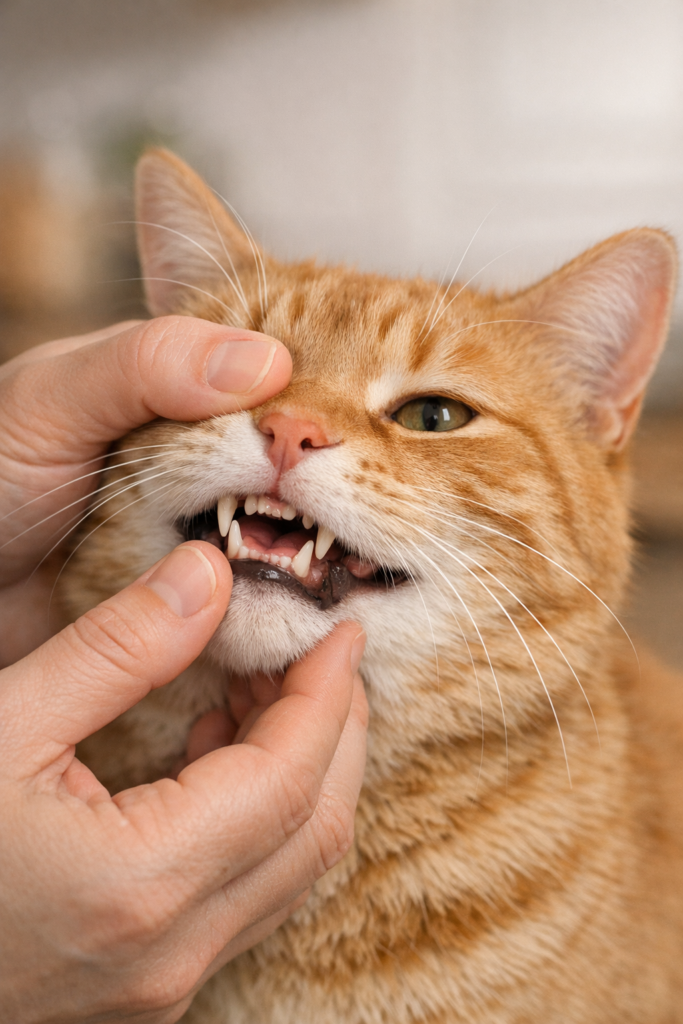
Understanding Feline Oral Health
As dedicated pet parents, we often focus on our cat’s coat, playfulness, and appetite, but one of the most critical aspects of their long-term well-being is often hidden inside their mouth. Cat dental disease signs can be subtle, and because cats are masters at masking discomfort, many owners don’t notice a problem until it becomes severe. For more resources on keeping your feline companion happy and healthy, head over to our cat-hub/ to explore comprehensive guides on total feline wellness.
Dental issues, including gingivitis, periodontitis, and tooth resorption, are incredibly common in cats. Research shows that a vast majority of adult cats will experience some form of oral disease during their lifetime. By learning how to spot the early warning signs, you can advocate for your cat’s health and ensure they receive the professional veterinary care they need before the situation progresses to painful tooth loss or systemic infections.
The Pawsitive Hoomans Take
At Pawsitive Hoomans, we believe that preventive care is the greatest gift you can give your pet. Dental disease isn’t just about “bad breath”; it’s an inflammatory process that can impact the entire body, potentially putting strain on the kidneys and heart. We strongly advocate for home-based oral hygiene habits, such as introducing gentle brushing with cat-specific toothpaste, while strictly avoiding human products which can be toxic to pets. Always remember that home care is a supplement to, not a replacement for, professional cleanings performed by your veterinarian under safe anesthesia.
🏥 Is your pet showing these symptoms? Log them instantly in our free Triage Engine inside Pet Passport to get immediate guidance.
Key Symptoms to Watch For
Cat dental disease signs often manifest in behavioral changes rather than overt complaints. Keep a sharp eye out for:
- Persistent Halitosis: While no cat’s breath is pleasant, a sudden, strong, or foul-smelling odor is a major red flag.
- Difficulty Eating: If you notice your cat dropping food, chewing on one side, or suddenly preferring soft food over their usual kibble, their mouth may be painful.
- Excessive Drooling: If your cat is drooling noticeably, it is a sign of significant oral inflammation or discomfort.
- Red or Bleeding Gums: Gentle gum lines should be a healthy pink. If you see bright red, swollen, or bleeding gums, consult a vet immediately.
- Behavioral Changes: A cat that has suddenly stopped grooming, or has become irritable or withdrawn, may be hiding chronic dental pain.
Preventing Dental Disease at Home
While you cannot prevent every case of dental disease, you can certainly slow the progression. Veterinary experts recommend starting slow. Never force your cat to accept brushing. Start by getting them comfortable with having their lips touched, then gradually introduce a cat-friendly enzymatic toothpaste. Using our Pet Passport to record your observations and your cat’s dental milestones is a fantastic way to keep track of their health journey.
Diet also plays a role. While some specialized dental diets can help mechanically scrape away plaque, they are not a miracle cure. Always ensure your cat has access to fresh, clean water. For an exact daily portion tailored to your cat’s weight, use the free Cat Diet Calculator at pawsitivehoomans.com/cat-diet/.
Frequently Asked Questions
Is my cat’s bad breath normal?
No, persistent bad breath is not normal for a cat and is usually one of the first signs of dental disease. While a slight “fishy” odor immediately after eating a fish-based meal is common, a foul, lingering smell often indicates plaque buildup, gingivitis, or oral infection that needs professional veterinary attention.
Can I use human toothpaste to brush my cat’s teeth?
No, you must never use human toothpaste because it contains fluoride and xylitol, both of which are toxic to cats. Always use a veterinarian-approved, enzymatic toothpaste specifically formulated for cats, which are often flavored like poultry or fish to make the process more pleasant for them.
How often should my cat get a professional dental cleaning?
Veterinary experts generally recommend a professional oral assessment and cleaning under anesthesia at least once a year, or as advised by your vet based on your cat’s individual history. Because cats hide pain so effectively, these clinical cleanings allow the vet to take dental X-rays to see what is happening beneath the gum line, where many painful conditions like tooth resorption originate.
Not sure what your pet needs? Use our free tools — Emergency Triage Guide or Custom Diet Calculator.
Remember, dental health is a lifelong commitment. By keeping detailed records of your cat’s oral condition through our Pet Passport, you can ensure that you and your veterinarian are on the same page. Always consult a qualified veterinarian regarding your cat’s health, as this information is for educational purposes and should not replace professional medical advice.