
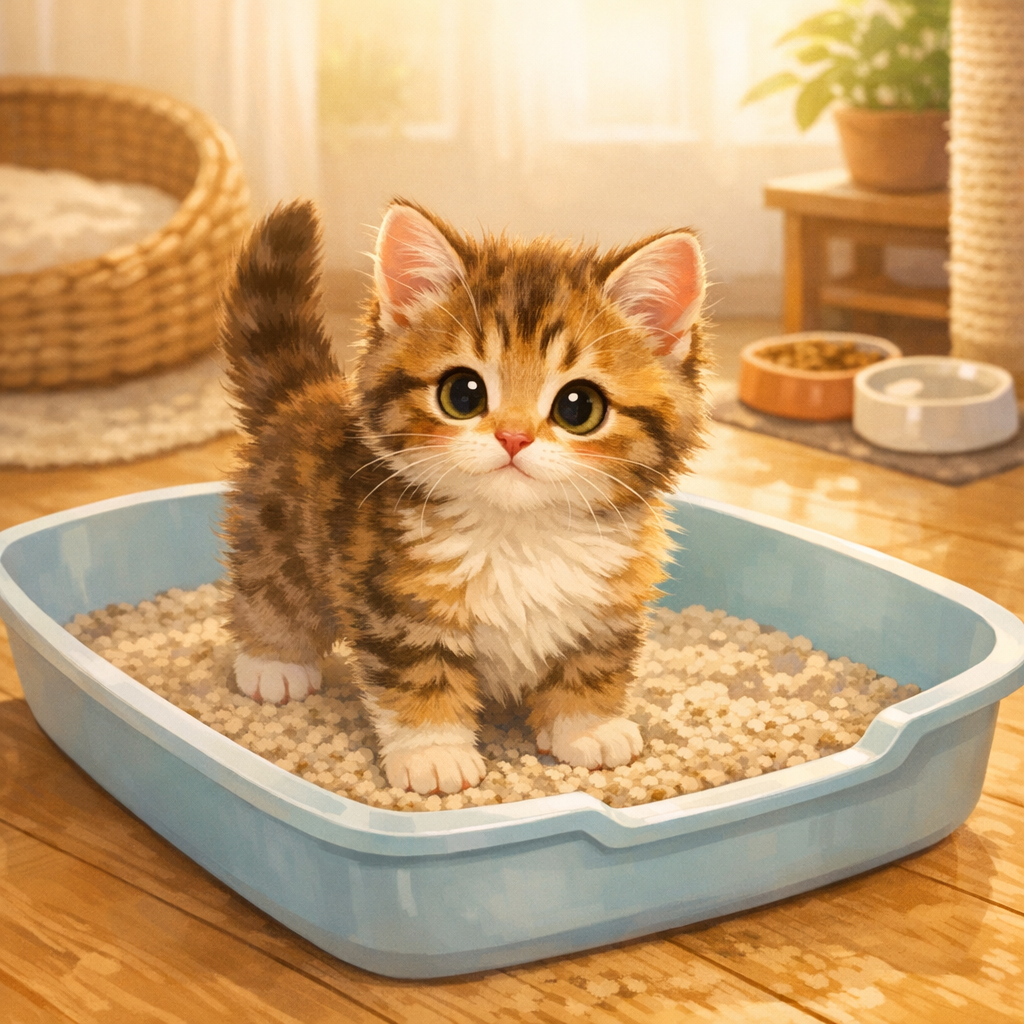
Understanding Litter Box Training a Kitten
Bringing a new kitten home is an exhilarating milestone, but it often comes with the immediate challenge of ensuring your new family member understands where to go to the bathroom. Litter box training a kitten doesn’t have to be a messy or stressful ordeal. In fact, most kittens have a natural instinct to dig and cover their waste, which we can easily leverage with a bit of patience and positive reinforcement. If you are looking for more tips on caring for your new feline family member, be sure to explore our dedicated cat hub for comprehensive advice on all things feline.
At Pawsitive Hoomans, we advocate for force-free, gentle methods. Kittens are sensitive creatures, and punishment or scolding will only lead to fear and anxiety, which can actually cause more accidents. Success in litter box training a kitten is rooted in environmental setup, timing, and positive encouragement. By creating a welcoming space that appeals to your kitten’s natural hygiene instincts, you set them up for a lifetime of clean habits.
Setting Up the Ideal Litter Station
The secret to successful litter box training a kitten starts long before they arrive at the box. Choosing the right equipment is vital. For young kittens, a box with low sides is essential so they can easily climb in and out without struggle. Place the box in a quiet, low-traffic area where your kitten feels safe and undisturbed. Avoid placing it near noisy appliances like washing machines or in high-traffic hallways where they might feel exposed.
When it comes to litter substrate, consistency is key. Many kittens prefer unscented, clumping clay litter that mimics the texture of soft soil. Avoid heavily perfumed litters, as these can be overwhelming to a cat’s sensitive nose. Ensure the box is kept scrupulously clean; scoop out waste at least twice a day and perform a full litter change and box scrub every week. A dirty box is the primary reason kittens will look elsewhere to do their business.
The Training Process: Gentle Guidance
Once your environment is ready, it is time to introduce your kitten to their new facility. After your kitten has finished a nap, eaten a meal, or had a vigorous play session, gently place them in the litter box. These moments are when the biological urge to relieve themselves is highest. Use your finger to gently scratch at the litter—this mimics the natural digging behavior of a mother cat and often triggers the kitten to start digging themselves.
If your kitten uses the box, offer calm praise or a small, healthy treat immediately. Never force them to stay in the box or move their paws for them, as this can be frightening. If they step out without going, simply let them go back to their play and try again shortly. Remember, accidents will happen during the training phase. If you find a mess elsewhere in the house, never rub their nose in it or yell. Instead, clean the area thoroughly with an enzymatic cleaner designed to break down pet odors. Ordinary household cleaners often leave traces of scent that may encourage the kitten to return to the same spot.
The Pawsitive Hoomans Take
At Pawsitive Hoomans, we emphasize that patience is your best tool. Litter box training a kitten is a learning process, not an obedience test. If your kitten is consistently struggling or showing signs of pain while trying to go, it is crucial to consult with a veterinarian to rule out any underlying health concerns like a urinary tract infection or digestion issues. Always opt for positive reinforcement over frustration, and remember that your kitten is learning a brand-new skill in a big, confusing world. Your calm, supportive presence is exactly what they need to thrive.
Frequently Asked Questions
How long does it take for a kitten to get litter box trained?
Most kittens learn to use the litter box within a few days to two weeks with consistent, gentle guidance. Because cats are naturally hygienic creatures, once they understand the location and the texture of the litter, they typically take to it quite quickly. If you find that your kitten is struggling past the two-week mark, evaluate the location of the box and the type of litter being used to see if a change makes them more comfortable.
Should I use a covered or open litter box for a new kitten?
For a young kitten, an open litter box is highly recommended because it provides easy access and a sense of safety. Covered boxes can sometimes feel like traps to a small kitten, or they may struggle to navigate the door flap, leading them to choose a spot outside the box instead. Once your kitten is older and more confident, you can transition to a covered box if you prefer, but always ensure they have plenty of room to turn around and dig comfortably.
What should I do if my kitten keeps having accidents outside the litter box?
If your kitten is having accidents, first ensure the box is located in a quiet area and is kept immaculately clean. If the environment is perfect but the accidents continue, please schedule a visit with your veterinarian, as frequent accidents can be a symptom of a medical issue like a UTI, especially in young rescues. For help tracking these episodes and documenting patterns for your vet, you can use our Pet Passport to keep an accurate health history.
Disclaimer: We are passionate pet care advocates, not veterinarians. The information provided here is for educational purposes and should not replace professional veterinary advice. Always consult with a qualified veterinarian regarding your pet’s health, behavior, or medical needs.