
Understanding and Managing Cat Separation Anxiety
It is a common misconception that cats are purely solitary creatures who enjoy being left alone for days at a time. As pet parents, we often observe our feline friends waiting by the door or vocalizing when we leave, which can be the first sign of cat separation anxiety. When our cats express distress through behavioral changes, it is our responsibility to look closer at their emotional needs. For comprehensive care tips, please visit our cat-hub to learn more about feline well-being and environmental enrichment.
Separation anxiety in cats is a psychological condition where the animal experiences extreme distress when separated from their primary caregiver. While dogs often display this through destructive chewing, cats may communicate their anxiety in more subtle ways, such as vocalization, inappropriate elimination, or grooming changes. Understanding these signs is the first step toward creating a peaceful environment for your feline companion.
Identifying the Signs of Distress
Not every cat that meows when you leave has anxiety, but persistent behaviors indicate a need for intervention. Common symptoms include urinating outside the litter box specifically when you are away, excessive vocalization, pacing, or even over-grooming that leads to bald patches. Some cats may stop eating when they are alone, which is a significant health concern that requires immediate veterinary attention.
The Importance of Routine and Consistency
Cats thrive on predictability. In India, where busy urban lifestyles often keep us out for long hours, maintaining a strict routine can drastically reduce a cat’s stress levels. Feed your cat at the same time every day and engage in consistent play sessions before you head out. This helps the cat understand that your departure is a normal part of the day, rather than an unpredictable abandonment.
The Pawsitive Hoomans Take
At Pawsitive Hoomans, we believe that separation anxiety is a cry for help that requires patience, empathy, and environmental modification rather than punishment. We strongly advocate for positive reinforcement and force-free training techniques. Never scold a cat for “accidents” caused by anxiety; instead, focus on making your home a sanctuary. By providing vertical spaces, hiding spots, and mental stimulation, we can mimic the natural territory of a feline and give them the confidence to be alone without fear.
🐾 Keep a complete health record for your pet with our free Pet Passport. Track vaccinations, weight and behaviour in one place.
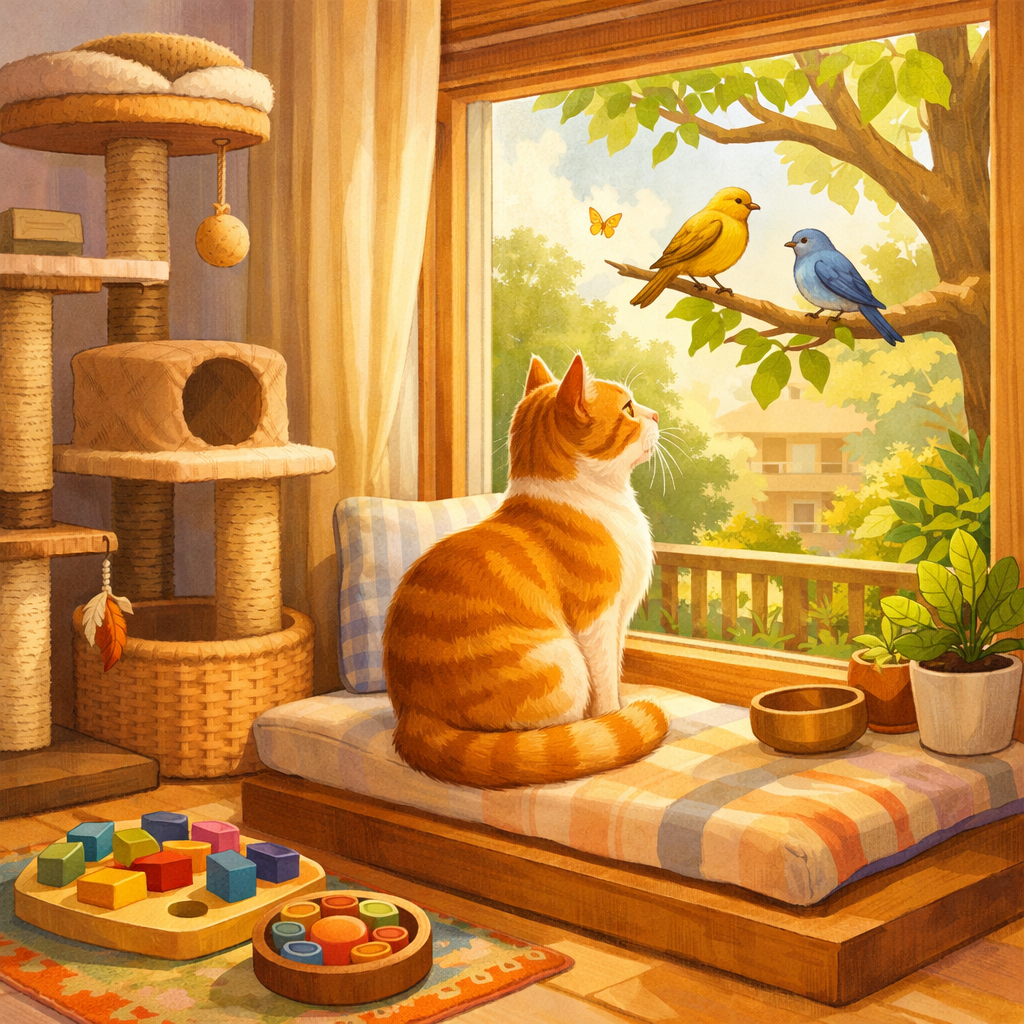
An anxious cat is often a bored cat. When you are away, your cat should have access to tools that stimulate their hunting instincts. Puzzle feeders, hiding treats around the house, and window perches that allow them to watch birds can occupy their mind. Research shows that cats with active, enriched environments show fewer signs of distress when owners are away.
Professional Support
If you notice your cat is exhibiting severe signs, such as self-mutilation or complete refusal to eat, consult a qualified veterinarian immediately. They can help rule out underlying medical issues that may mimic or exacerbate anxiety. For a structured way to keep track of these behavioral changes, we recommend using our Pet Passport to document symptoms effectively for your next vet visit.
Not sure what your pet needs? Use our free tools — Emergency Triage Guide or Custom Diet Calculator.
Frequently Asked Questions
Why does my cat cry every time I leave the house?
Your cat may be crying because they feel insecure or bored in your absence, which is a common manifestation of separation distress. Ensure your cat has interactive toys, vertical scratching posts, and familiar scents available while you are gone to provide comfort and occupation.
Is it normal for my cat to pee on the bed when I am away?
No, inappropriate elimination is a sign of stress or a medical issue and should not be ignored. First, have a veterinarian rule out urinary tract infections or kidney issues; if your cat is healthy, the behavior is likely anxiety-driven and requires behavioral enrichment.
How can I keep my cat busy while I am at work?
You can keep your cat busy by using puzzle feeders filled with a portion of their daily dry food and providing high-quality window access to view outdoor activity. For an exact daily portion tailored to your cat’s weight, use the free Diet Calculator at pawsitivehoomans.com/cat-diet/.
Disclaimer: The information provided in this article is for educational purposes only and is not a substitute for professional veterinary advice, diagnosis, or treatment. Always seek the advice of your veterinarian with any questions you may have regarding your pet’s medical condition or behavioral changes.