
Understanding Feline Nutrition and Dental Health
As dedicated pet parents, we often find ourselves searching for the best ways to keep our feline companions happy, healthy, and mentally stimulated. One question that frequently arises in the cat care community is whether it is safe to offer raw or cooked bones to our pets. While the instinctual urge to provide ‘natural’ enrichment is wonderful, finding safe bones for cats requires a deep dive into biology, nutrition, and safety protocols. It is essential to approach this topic with caution, as feline anatomy is uniquely suited to certain textures and highly sensitive to others.
Research shows that while cats are obligate carnivores and have strong predatory instincts, their domestication and modern dietary requirements have changed significantly. We want to provide the best for our pets, but safety must always be the priority. For an exact daily portion tailored to your cat’s weight, use the free Cat Diet Calculator at pawsitivehoomans.com/cat-diet/.
The Risks of Offering Bones to Cats
When discussing safe bones for cats, the first thing to understand is why many experts strongly advise against them. Cooked bones are universally considered dangerous. The cooking process alters the structural integrity of the bone, making it brittle and prone to splintering. These sharp shards can cause catastrophic damage to a cat’s delicate mouth, throat, and intestinal tract. Even raw bones, which are softer, present significant risks, including choking hazards and the potential for pathogenic bacteria such as Salmonella or E. coli.
From an anatomical perspective, cats are designed to eat meat, but they are not ‘bone crushers’ like some larger canids. Their teeth are meant for shearing, not for grinding down dense calcium structures. Attempting to chew on hard items can lead to slab fractures of the teeth—a painful and expensive issue that we see far too often in clinical settings. Rather than risking dental surgery, we encourage pet parents to look for safer alternatives for dental stimulation.
The Pawsitive Hoomans Take
At Pawsitive Hoomans, we believe in prioritizing proactive, low-risk enrichment strategies. While raw feeding is a popular topic in many Indian households, we urge extreme caution. If you are interested in biologically appropriate raw feeding, it must be done under the strict guidance of a veterinary nutritionist to ensure complete and balanced intake. Most ‘recreational’ bones do not provide enough nutritional value to outweigh the massive physical risks they pose to your cat’s digestive system. Instead of bones, focus on high-quality, biologically appropriate protein and specialized dental chews or toys designed specifically for felines.
⚖️ Track your pet’s weight and diet using our free Pet Passport Dashboard. Monitor trends before they become emergencies.
Safe Alternatives to Bones
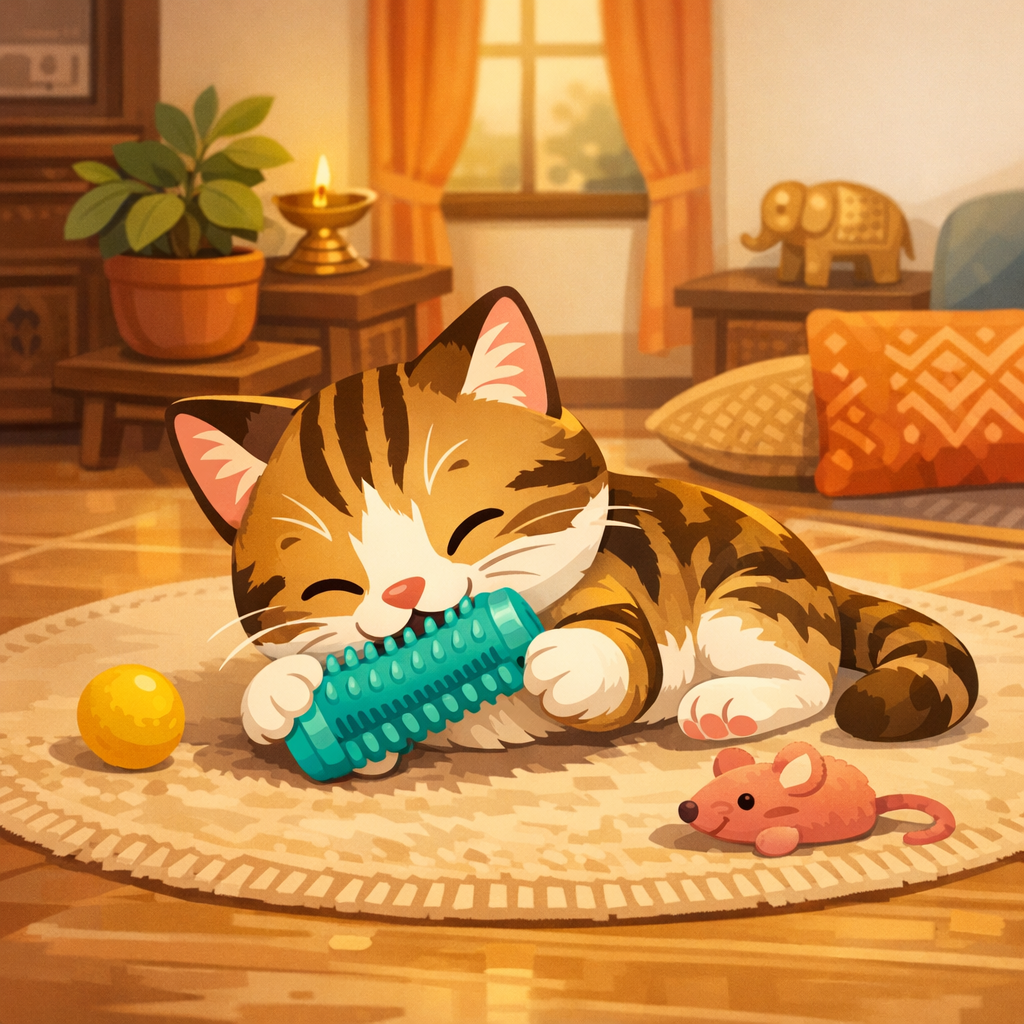
If you are looking to support your cat’s dental health and provide enrichment, there are much safer paths. Veterinary experts recommend dental diets, which are formulated with a specific kibble texture that scrubs the teeth as the cat eats. Additionally, introducing cat-safe silvervine sticks or specialized rubber dental toys can provide the same engagement without the risk of splintering or choking. Always remember that any change in diet or introduction of new enrichment items should be discussed with your veterinarian to ensure it aligns with your specific cat’s health profile.
Not sure what your pet needs? Use our free tools — Emergency Triage Guide or Custom Diet Calculator.
Conclusion
Keeping our cats safe means making informed, evidence-based decisions about their environment and nutrition. While the idea of providing ‘natural’ bones may seem appealing, the risks of obstruction, perforation, and dental injury are simply too high. By choosing safer, vet-approved alternatives, you can ensure your cat enjoys both mental stimulation and optimal health for years to come. To stay organized and keep track of your cat’s health history, medical records, and dietary milestones, we recommend using the Pet Passport to ensure you never miss an important check-up.
Frequently Asked Questions
Can I give my cat a chicken bone if it’s raw?
No, you should not give your cat a chicken bone even if it is raw, as it still poses a significant risk of choking, internal punctures, and bacterial contamination. While raw bones are softer than cooked ones, they can still cause severe damage to a cat’s mouth, esophagus, or stomach if swallowed whole or in large pieces.
Why do some people suggest bones are good for cat teeth?
The belief that bones are good for teeth stems from the idea that chewing provides mechanical abrasion to remove plaque, but the risk of fracturing a cat’s fragile teeth is much greater than the potential dental benefit. Dental health in cats is better managed through professional cleaning, vet-approved dental treats, or brushing, which do not carry the danger of painful tooth fractures or digestive tract obstructions.
What are the best dental treats for my cat in India?
The best dental treats for your cat are those that are specifically formulated with a VOHC (Veterinary Oral Health Council) seal of acceptance, which ensures they have been scientifically proven to reduce plaque and tartar. You can find several reputable imported or high-quality local brands in India that offer dental-specific kibble or chews designed to be safe for felines; however, always consult your veterinarian before adding these to your cat’s diet.
Disclaimer: The information provided on PawsitiveHoomans.com is for educational purposes only and is not a substitute for professional veterinary advice, diagnosis, or treatment. Always seek the advice of your veterinarian with any questions you may have regarding your pet’s health or medical condition. Never disregard professional veterinary advice or delay in seeking it because of something you have read on this website.