
Understanding High Calorie Paste for Cats
As dedicated pet parents, we all want to see our feline companions thriving, full of energy, and maintaining a healthy body condition. However, there are times—whether due to recovery from surgery, a period of illness, or simply a lack of appetite—when our cats struggle to maintain their weight. During these challenging moments, many turn to high calorie paste for cats to ensure their precious fur babies receive the extra energy they need to bounce back. Navigating these nutritional needs is a key part of our cat care resources, and it is vital to approach supplementation with knowledge and care.
High calorie nutritional gels are concentrated energy boosters designed to provide a dense supply of calories, vitamins, and minerals in a small volume. For a cat that is refusing food or struggling with weight loss, these pastes act as a vital lifeline. Unlike standard treats, these gels are formulated specifically for cats in recovery or those with metabolic stress. As pet parents, we must remember that while these products can be life-savers, they are not a substitute for a balanced daily diet, but rather a temporary bridge to better health.
When Should You Consider High Calorie Supplements?
Veterinary experts generally suggest considering high calorie supplements when a cat is showing signs of unintentional weight loss or a significant reduction in appetite. If your cat has recently undergone a procedure, is dealing with a dental issue that makes chewing difficult, or is a senior cat experiencing a natural decline in appetite, these calorie-dense gels can provide the extra “oomph” needed to keep their body functions running smoothly.
At Pawsitive Hoomans, we emphasize that weight loss in cats should never be ignored. Even a few days of reduced food intake can lead to serious health complications, such as hepatic lipidosis (fatty liver disease). If you notice your cat skipping meals, it is time to consult your veterinarian. They can help determine if a high calorie paste is appropriate or if there is an underlying medical condition requiring treatment. For an exact daily portion tailored to your cat’s specific health status, use the free Custom Diet Calculator at PawsitiveHoomans.com/dog-diet/.
The Pawsitive Hoomans Take
Our philosophy at Pawsitive Hoomans is rooted in proactive, gentle care. We believe that nutrition is the cornerstone of a long, happy life. When it comes to using high calorie pastes, we advocate for a “supportive, not corrective” approach. Think of these pastes as an emergency toolkit rather than a daily snack. We strongly encourage focusing on high-quality, biologically appropriate protein sources as the foundation of your cat’s diet. If you choose to use a supplement, ensure it is formulated specifically for felines to avoid ingredients like onion powder or xylitol, which are toxic to our pets.
⚖️ Track your pet’s weight and diet using our free Pet Passport Dashboard. Monitor trends before they become emergencies.
How to Safely Administer Nutritional Gels
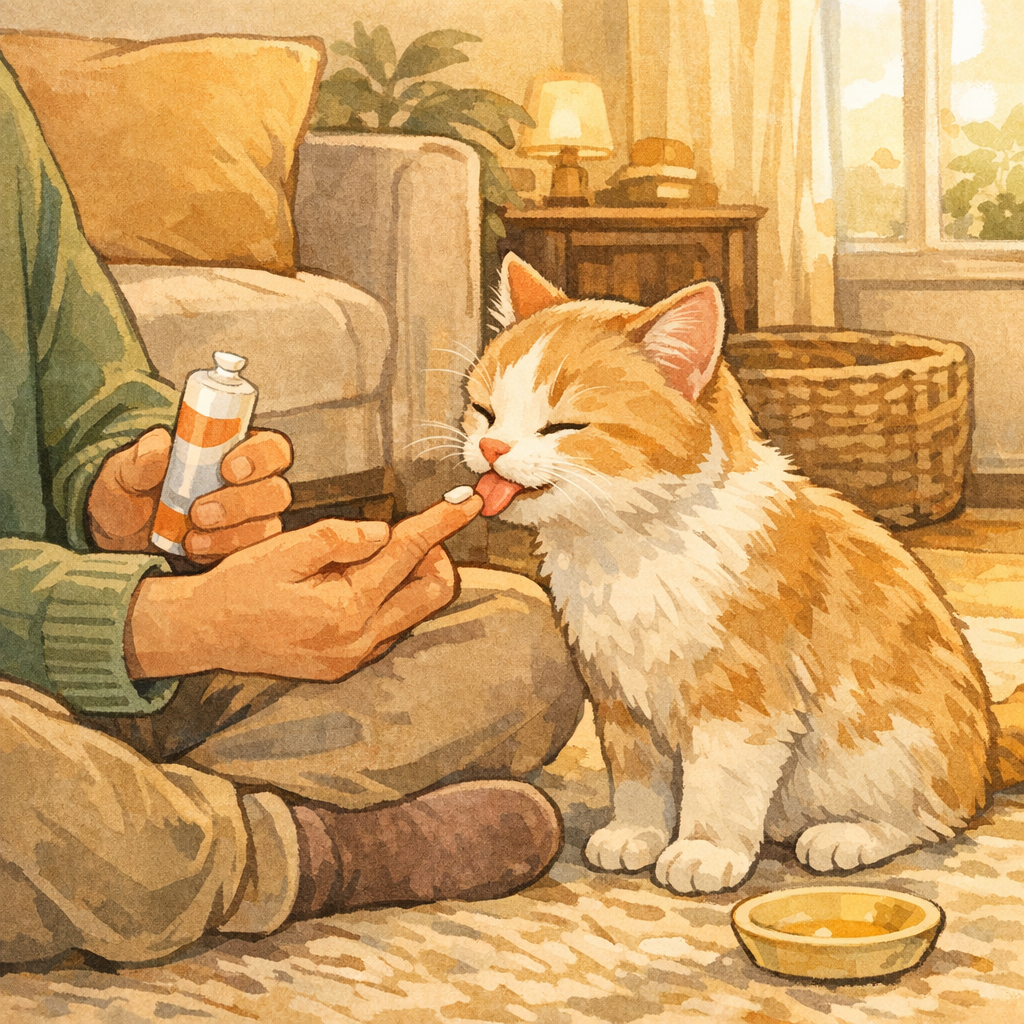
If your vet has given the green light, administration should be as stress-free as possible. Most cats find the taste of these pastes quite palatable. You can try putting a small amount on your finger or a spoon to let them lick it off voluntarily. If your cat is particularly stubborn or unwell, you can gently smear a small amount on their paw; their natural grooming instinct will prompt them to lick it off.
Always follow the label instructions carefully regarding frequency and quantity. Because these gels are highly concentrated, exceeding the recommended dose can lead to an upset stomach or digestive distress. Consistency is key—small, frequent amounts are usually better absorbed and tolerated than one large serving. Monitor your cat closely for any signs of vomiting or diarrhea after introducing a new supplement.
Not sure what your pet needs? Use our free tools — Emergency Triage Guide or Custom Diet Calculator.
Conclusion
Supporting your cat’s nutritional journey requires a balance of empathy, observation, and expert guidance. Whether you are helping a rescue cat gain healthy weight or nursing a senior cat through a rough patch, ensure that all nutritional decisions are backed by a conversation with your vet. By keeping detailed logs of your cat’s weight, appetite, and supplement usage in your Pet Passport, you can provide your veterinary team with invaluable information to make informed decisions for your pet’s ongoing care. Remember, you are your cat’s greatest advocate.
Frequently Asked Questions
Can I give my cat high calorie paste every day?
No, you should not give high calorie paste daily unless specifically directed by your veterinarian for a medical condition. These pastes are designed for short-term support during recovery or weight loss, and long-term use without supervision can lead to nutrient imbalances or unwanted weight gain.
How much calorie paste is safe for a cat that has stopped eating?
The amount depends on your cat’s body weight and the concentration of the product, so always follow the dosage instructions on the packaging provided by your vet. Start with the smallest recommended dose to see how your cat’s stomach reacts before slowly increasing it as advised by your veterinary professional.
Will a high calorie supplement cure my cat’s loss of appetite?
No, a high calorie supplement provides energy but does not treat the underlying cause of your cat’s loss of appetite. If your cat has stopped eating, it is critical to see a veterinarian to diagnose and treat issues like kidney disease, dental pain, or infections, as these cannot be resolved by calorie paste alone.
Are there natural alternatives to calorie pastes for my cat?
Yes, you can try offering warmed, low-sodium chicken broth, plain boiled shredded chicken breast, or specially formulated recovery canned foods, but discuss these with your vet first. Always ensure your cat stays hydrated and consult a professional if they refuse to eat for more than 24 hours, as this is a medical emergency in cats.
Disclaimer: The information provided on PawsitiveHoomans.com is for educational purposes only and does not constitute professional veterinary advice. Always consult with a qualified veterinarian regarding your pet’s health, diet, or medical conditions. Never ignore professional veterinary advice or delay seeking it because of something you have read here.