
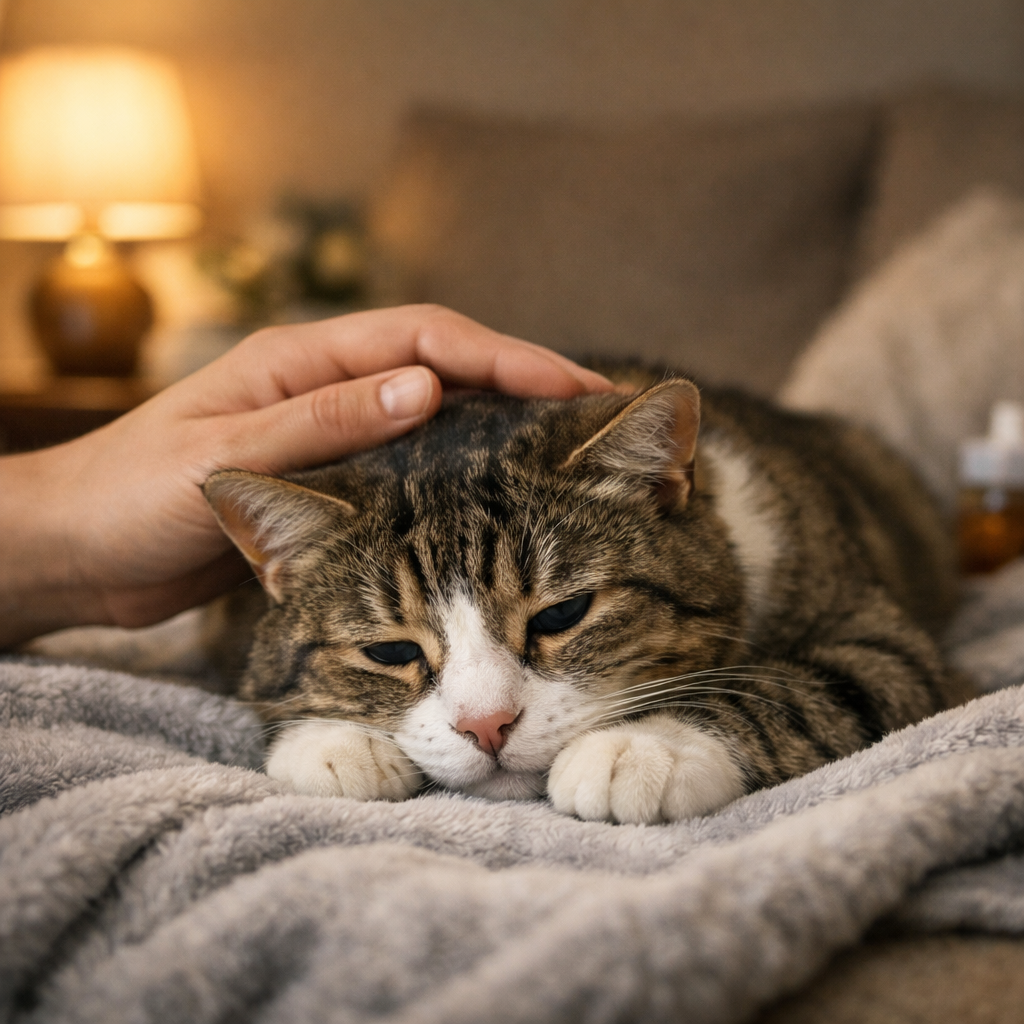
Understanding Cat Sudden Lethargy: A Parent’s Guide
As pet parents, we are attuned to the slightest shifts in our feline companions’ moods. If you notice your usually active or curious kitty has become quiet and withdrawn, you might be dealing with cat sudden lethargy. This change in energy levels is one of the most common reasons pet owners seek guidance. If you are ever concerned about your pet’s overall well-being, exploring our cat-hub/ is a great first step to understanding the natural behaviors and subtle health signals of our feline friends.
Lethargy in cats is not a disease in itself; it is a clinical sign that something is amiss. In the Indian context, where temperature fluctuations and seasonal changes are frequent, it is easy to mistake exhaustion for a simple “lazy day.” However, because cats are masters of masking pain and illness due to their evolutionary history, a sudden drop in energy should always be treated with caution. When your cat stops engaging, hides away, or shows a marked disinterest in their favorite toys or treats, it is your cue to start paying closer attention.
Why Is My Cat Suddenly So Tired?
Veterinary experts emphasize that sudden changes in activity can be linked to a vast array of issues. It could be something as simple as a minor tummy upset or something requiring urgent intervention, such as a urinary blockage, which is unfortunately common in male cats. In hot, humid Indian summers, dehydration or heat-related stress can also cause a cat to become listless quickly.
Other common triggers include infections, dental pain—which prevents them from eating properly—or even an underlying stress response if there has been a change in your household environment. Because our pets cannot tell us where it hurts, we have to look for secondary clues. Are they eating? Are they grooming? Is there any change in their litter box habits? These questions help form the bigger picture for a professional assessment.
The Pawsitive Hoomans Take
At Pawsitive Hoomans, we believe that being a proactive pet parent is the most powerful tool you have. We advocate for a ‘trust your gut’ approach. If you feel like your cat ‘just doesn’t look like themselves,’ you are likely right. You don’t need a medical degree to notice that your cat has stopped purring or has stopped greeting you at the door. We always champion force-free and stress-free care; trying to force a lethargic cat to eat or move is counterproductive. Instead, provide a quiet, cool, and safe space, monitor them closely, and prepare for a vet visit. Remember, while we provide insights based on general knowledge, your local veterinarian is the only person who can perform a physical exam and provide a diagnosis. Never wait for symptoms to ‘get better on their own’ if the lethargy is accompanied by vomiting, hiding, or breathing difficulties.
🏥 Is your pet showing these symptoms? Log them instantly in our free Triage Engine inside Pet Passport to get immediate guidance.
The Importance of Professional Assessment
If your cat is lethargic, please do not search for home remedies or try to administer human medications. Human medicines, particularly pain relievers, can be fatal to cats. The best approach is to document the duration and nature of the lethargy. Note down when it started, if they have eaten anything unusual, or if they have had access to any toxins or cleaning products. When you take your cat to the clinic, this information is invaluable to the veterinary team.
Even if you are unsure if it is an emergency, it is always safer to call your vet. They can often guide you over the phone on whether an immediate visit is required. Prevention, through regular checkups and a healthy, high-protein diet, remains the best way to ensure your cat stays energetic and vibrant throughout their life.
Not sure what your pet needs? Use our free tools — Emergency Triage Guide or Custom Diet Calculator.
Frequently Asked Questions
Is it normal for my cat to be lethargic after getting a vaccination?
Yes, mild lethargy for 24 to 48 hours is a common and expected side effect after a cat receives a vaccination. Your cat may also experience a slight loss of appetite or soreness at the injection site. However, if the lethargy lasts longer than two days, or if you notice swelling, difficulty breathing, or persistent vomiting, you must contact your vet immediately as these could be signs of a more serious allergic reaction.
How can I tell if my cat’s lethargy is an emergency?
If your cat shows lethargy accompanied by difficulty breathing, pale or blue-tinted gums, inability to urinate, or continuous vomiting, these are life-threatening emergencies requiring immediate veterinary care. A cat that is hiding in an unusual place and refuses to move or react to stimuli for several hours is also a major red flag that indicates they are in significant distress or pain.
Can heat cause sudden lethargy in my cat?
Yes, cats are very susceptible to heat exhaustion, especially in India’s hot summer months, and sudden lethargy is often the first sign of overheating. If your cat is panting, seems restless, or is lying flat on the floor in a cool spot while appearing unresponsive, move them to an air-conditioned room or in front of a fan immediately and seek veterinary assistance to prevent heatstroke.
As you navigate your pet’s health journey, remember that keeping a thorough record of their habits, vaccinations, and past medical history is crucial for long-term health. Using a digital Pet Passport can help you track these vitals and share them quickly with your veterinarian whenever needed. Please consult a qualified veterinarian for all medical decisions regarding your pet; the information provided here is for educational purposes only and does not replace professional medical advice.