
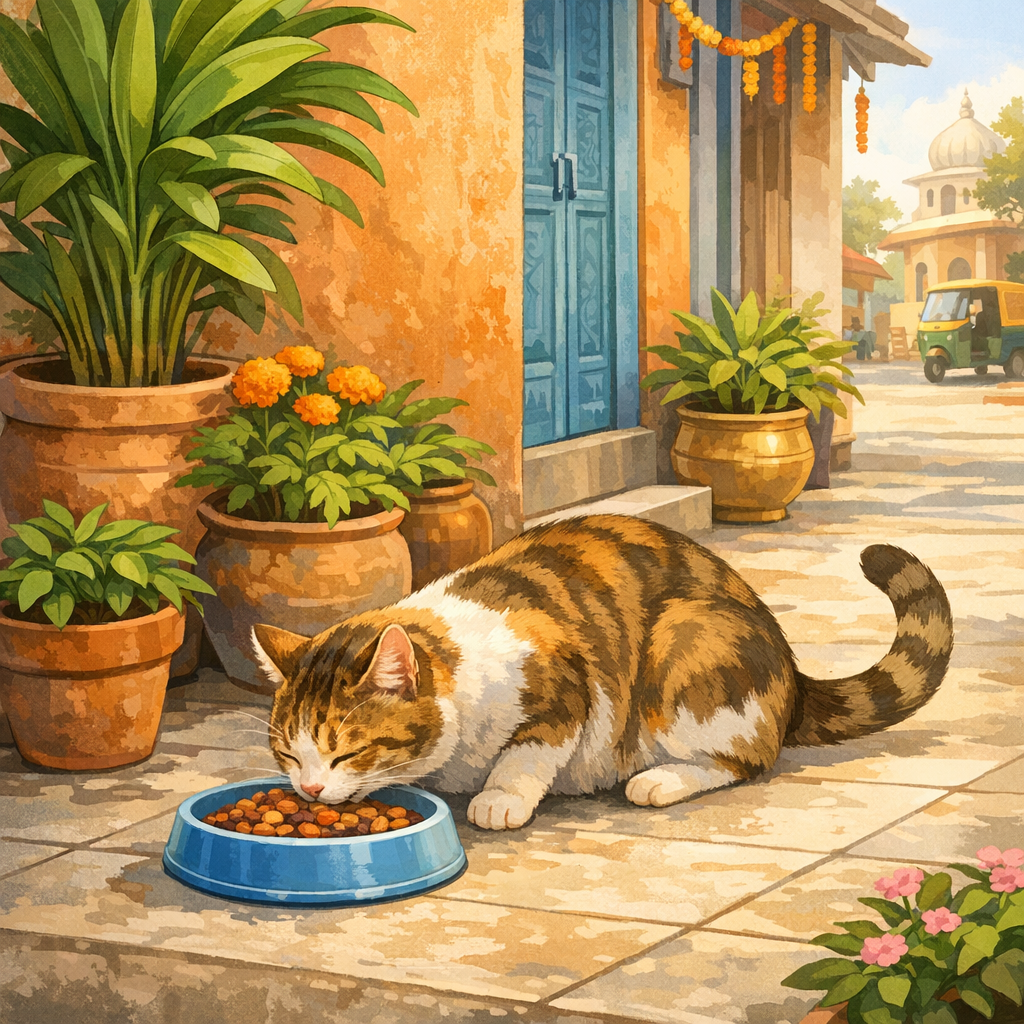
The Joy and Responsibility of Street Cat Feeding in India
Feeding street cats is a deeply rewarding way to foster compassion within our urban ecosystems. In cities across India, street cats—often referred to as community cats—play a vital role in balancing our local micro-environments. Whether you are looking to support the strays in your apartment complex or your local neighborhood market, understanding the best practices for street cat feeding in India is essential for their long-term health and wellbeing. If you are new to caring for feline companions, we encourage you to explore our comprehensive cat-hub to learn more about the unique dietary and behavioral needs of our whiskered friends.
As pet parents and community advocates, we know that the simple act of providing food can bridge the gap between a struggling stray and a healthy, thriving community cat. However, kindness must be paired with knowledge to ensure we are helping rather than causing inadvertent harm. This guide outlines how to create a sustainable feeding routine that respects your neighbors, protects the cats, and promotes a positive environment for everyone.
Establishing a Consistent Feeding Routine
Consistency is key when it comes to the health of street cats. By feeding at the same time and in the same location, you build trust with the cats, making it easier to monitor their health and notice if a new, sick, or injured cat appears. In India, where weather conditions can fluctuate between extreme heat and monsoon rains, keeping a routine ensures that the cats know exactly where their nutritional support will be, reducing their need to scavenge through harmful waste.
Try to choose a quiet, low-traffic spot that is tucked away from main roads. This provides the cats with a sense of security while they eat. Always use clean, shallow dishes that are removed after the cats finish their meal to avoid attracting pests or causing friction with other members of the housing society.
The Pawsitive Hoomans Take
At Pawsitive Hoomans, we believe that community cats are not just strays—they are our neighbors. Our philosophy centers on the ‘Feed, Monitor, and Sterilize’ approach. Feeding is just the first step in building a bond; it provides the access needed to observe the cat’s overall health. We strongly advocate for Trap-Neuter-Vaccinate-Release (TNVR) programs, as this is the only ethical and scientifically backed method to control population numbers humanely. When we feed street cats, we are building a foundation of trust that makes future medical care and sterilization much easier to execute. We urge our community to prioritize these humane interventions over any form of relocation or exclusion.
🐾 Keep a complete health record for your pet with our free Pet Passport. Track vaccinations, weight and behaviour in one place.
Choosing the Right Diet for Community Cats
It is a common misconception that street cats can thrive on kitchen scraps alone. While many cats are resilient, they require specific nutrients to maintain their immune systems. If you are providing supplemental food, prioritize high-protein, feline-specific kibble or wet food. If you must use home-cooked food, ensure it is completely free of onions, garlic, salt, spices, and oil—all of which are toxic or harmful to cats. Always ensure fresh, clean water is available, especially during the sweltering Indian summers.
For an exact daily portion tailored to a cat’s estimated weight, we recommend using the free resources available on our site. Remember, feeding should be a supplement to their natural hunting or scavenging, not an excuse to leave rotting human food in public spaces. Always prioritize hygiene to keep the relationship with your neighborhood harmonious.
Community Cooperation and Ethical Advocacy
One of the biggest hurdles in street cat feeding is navigating neighborly disputes. Approach these conversations with empathy. Explain the benefits of having healthy cats in the area, such as natural pest control. Share information about why sterilization is a benefit for the entire community. When you act as a responsible feeder, you become the voice for the voiceless, proving that street cat feeding is a civil and compassionate act.
Always document the health of the cats you feed. If you notice symptoms like lethargy, sneezing, or skin lesions, contact a veterinarian immediately. Never attempt to treat medical issues yourself, as feline physiology is complex and requires professional expertise. Use your Pet Passport to log these observations so you can provide clear, accurate history to a vet if an intervention is required.
Not sure what your pet needs? Use our free tools — Emergency Triage Guide or Custom Diet Calculator.
Frequently Asked Questions
Is it safe to give leftover home-cooked rice to street cats in India?
No, you should not feed cats leftover home-cooked food unless it is specifically prepared without any spices, onions, garlic, or salt. Cats are obligate carnivores and require high levels of protein to stay healthy; rice is a carbohydrate filler that provides very little nutritional value for them and can cause digestive distress if given in large quantities.
How do I handle neighborhood complaints about feeding stray cats?
The best way to handle complaints is to maintain a clean feeding station, strictly clean up any leftover food immediately, and advocate for the sterilization of the cats. By managing the population through TNVR and keeping the area tidy, you demonstrate that you are a responsible caregiver, which often eases tensions with neighbors who may be concerned about hygiene or population growth.
What should I do if a street cat I am feeding looks sick or injured?
You should immediately contact a local veterinarian or an animal rescue organization for professional guidance. Do not attempt to medicate the cat yourself, as human medications or incorrect doses can be fatal to felines; instead, use your Pet Passport to record the symptoms you see so you can provide the vet with an accurate timeline of the cat’s condition.
Disclaimer: Pawsitive Hoomans is a resource for pet care information and advocacy. We are not veterinarians. All health, medical, and dietary decisions for your pets or community animals must be made in consultation with a qualified, licensed veterinarian. Never delay seeking professional medical advice based on the content provided here.