
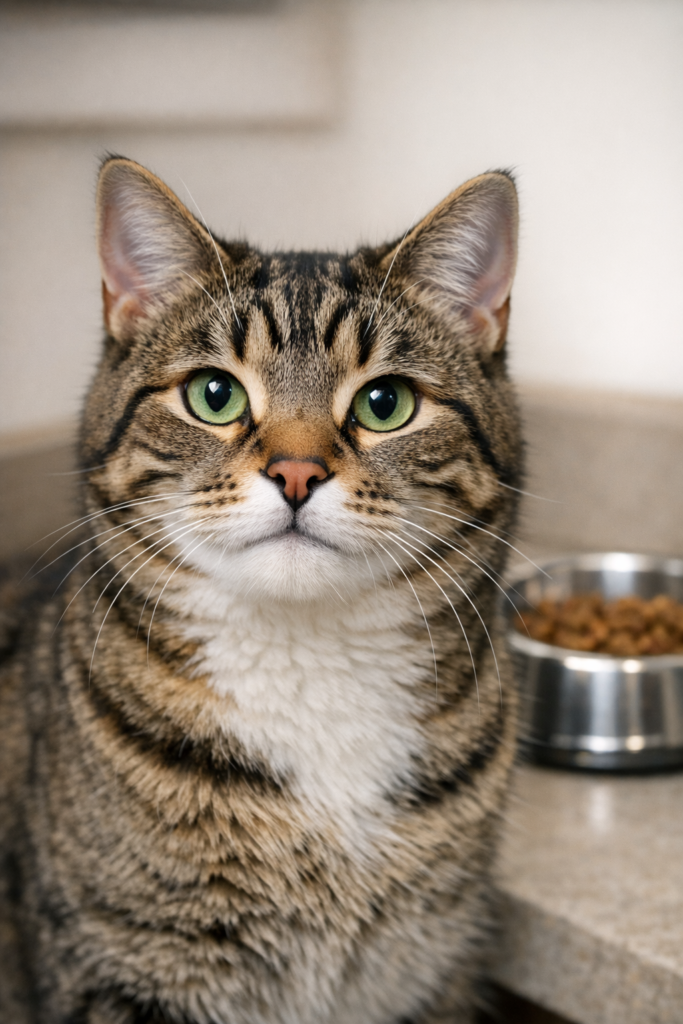
Understanding Cat Acne: A Guide for Concerned Pet Parents
It can be quite startling to find what look like blackheads or pimples on your cat’s chin, but rest assured, you aren’t alone. Cat acne is a relatively common dermatological condition that many cat owners will encounter at some point. As dedicated cat care advocates, we believe that understanding the root cause is the first step toward helping your feline friend feel comfortable again. While it might look like a simple cosmetic blemish, managing this condition requires patience, hygiene, and a gentle touch.
At Pawsitive Hoomans, we define cat acne—medically known as feline chin acne—as a buildup of keratin and sebum in the hair follicles, which leads to the formation of comedones, or blackheads. In some cases, these can progress to inflamed bumps, pustules, or even crusty lesions if they become infected. While it is certainly not a condition you should panic over, it is one that requires diligent care to prevent it from becoming a recurring or painful issue for your companion.
The Pawsitive Hoomans Take
At Pawsitive Hoomans, we emphasize a holistic and proactive approach to skin health. We believe that environmental factors are often the biggest culprits. Instead of jumping straight to harsh chemical treatments, we advocate for examining the daily habits of your cat. For instance, the material of your cat’s food and water bowls plays a significant role. Many cases of feline chin acne are linked to plastic bowls, which can harbor bacteria in microscopic scratches that are impossible to clean thoroughly. By switching to stainless steel or ceramic, you are already halfway to a solution.
Furthermore, we strongly advocate for force-free and stress-free care. Treating cat acne should never involve scolding your cat or forcing them into uncomfortable positions. If your cat finds grooming or cleaning stressful, take it slow. Use positive reinforcement, perhaps with a high-value treat, to make the process of chin cleaning a bonding experience rather than a battle.
🏥 Is your pet showing these symptoms? Log them instantly in our free Triage Engine inside Pet Passport to get immediate guidance.
Identifying the Triggers
Research suggests that multiple factors contribute to acne in cats. Beyond the material of their bowls, poor grooming habits can lead to an accumulation of oils on the chin, especially since this is an area cats often miss while self-grooming. Allergies—whether environmental or food-related—can also exacerbate the condition. If you notice persistent issues, it is essential to consult with a veterinarian to rule out underlying issues like fungal infections or parasites.
Gentle Cleaning Techniques
When you spot blackheads, the urge to squeeze them can be strong, but please, resist it! Squeezing can cause painful inflammation and potentially push bacteria deeper into the skin. Instead, veterinary experts often recommend using a warm compress to gently soften the area. You can soak a clean cotton ball or a soft cloth in warm water (or a mild, vet-approved antiseptic solution if advised) and hold it against the chin for a minute or two. This helps loosen the debris naturally.
Maintain consistent hygiene by wiping your cat’s chin after meals to remove any leftover food particles. If you are using specialized shampoos or wipes, ensure they are specifically formulated for feline skin, as human products can be far too harsh or even toxic to cats.
Creating a Safe Environment
A clean environment is your best defense against recurring acne. Ensure that your cat’s living space is free of dust and that their bedding is washed regularly. If you have multiple cats, ensure they aren’t sharing bowls, as skin conditions can sometimes be spread through contact or shared resources. Keep a close eye on their behavior; if they are scratching their chin excessively or showing signs of pain, it is time to seek professional veterinary advice.
Not sure what your pet needs? Use our free tools — Emergency Triage Guide or Custom Diet Calculator.
When to See the Vet
While minor blackheads can often be managed at home, veterinary care is non-negotiable if you see signs of infection. If the chin becomes swollen, bleeds, oozes, or develops a foul odor, these are signs that your cat may require medical intervention, such as antibiotics or medicated topical treatments. Never attempt to treat a severe infection with home remedies alone, as this can lead to further suffering for your pet.
By keeping a consistent record of your cat’s health, you can track these skin issues over time. We recommend using our Pet Passport to document any flare-ups, the products you use, and your vet’s recommendations. This makes follow-up visits much more efficient and ensures your cat gets the best possible care.
Frequently Asked Questions
Can I use coconut oil on my cat’s chin acne?
No, you should not use coconut oil on your cat’s chin acne because it can clog pores and potentially make the acne worse by trapping bacteria.
How do I know if my cat’s chin acne is getting worse?
Your cat’s acne is worsening if you notice redness, swelling, hair loss on the chin, or if your cat begins to scratch at the area, which can lead to bleeding and scabbing.
Are plastic bowls really the cause of my cat’s acne?
Yes, plastic bowls are a very common cause of feline chin acne because they develop tiny scratches that harbor bacteria and are extremely difficult to sanitize thoroughly.
Disclaimer: This article is for informational purposes only and does not constitute veterinary medical advice. Always consult with a qualified veterinarian before starting any new treatment or if your cat exhibits signs of illness, pain, or distress. Never administer human medications to pets.