
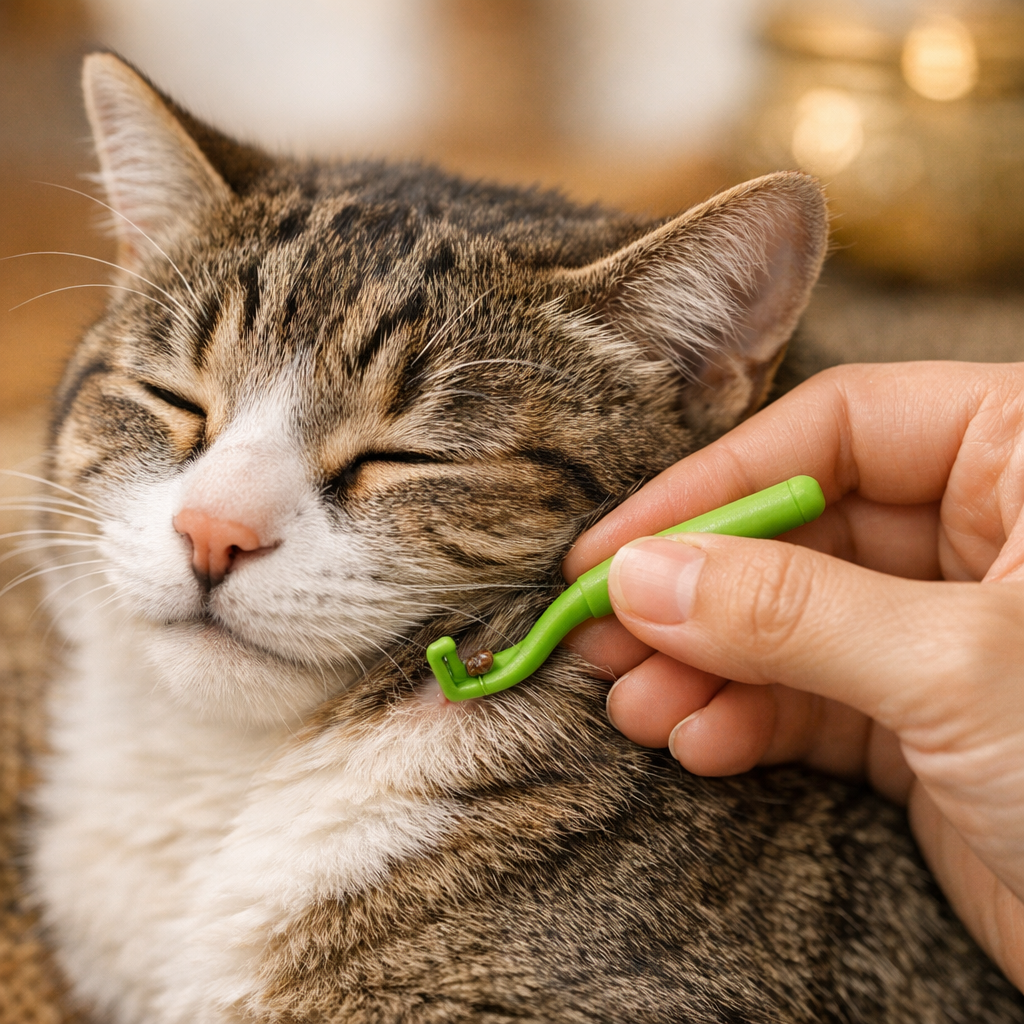
Understanding Ticks in Cats
Finding a parasite on your feline friend can be an incredibly stressful experience, but staying calm is the first step in protecting your cat’s health. Managing ticks in cats is a common challenge for many pet families in India, especially given our humid climate and the abundance of greenery that serves as a breeding ground for these pests. Whether you have an indoor-only cat or one who occasionally visits the balcony or garden, parasites can unfortunately hitch a ride into your home. As we explore cat wellness, please remember to visit our cat-hub/ for comprehensive resources on feline care and safety.
Ticks are more than just a nuisance; they are carriers of various blood-borne diseases. In India, common tick species can latch onto our pets, feeding on their blood and potentially causing severe health issues like anemia, skin infections, or the transmission of parasites. Because our pets cannot tell us when they are uncomfortable, proactive monitoring is the greatest tool we have as pet parents.
The Pawsitive Hoomans Take
At Pawsitive Hoomans, we believe that preventive care is the foundation of a happy life for your cat. We strictly advocate for force-free, gentle handling when it comes to grooming and health maintenance. If you discover a tick on your cat, the most important thing to remember is not to panic. Avoid using home remedies like kerosene, oils, or burning the tick, as these methods can cause serious skin burns to your cat or cause the tick to release more toxins into your pet’s system. Veterinary experts recommend using specialized tick-removal tools and ensuring your cat is on a vet-approved, safe preventive medication. Never use tick products designed for dogs on cats, as ingredients like permethrin can be rapidly fatal to felines.
🏥 Is your pet showing these symptoms? Log them instantly in our free Triage Engine inside Pet Passport to get immediate guidance.
Step-by-Step Safe Tick Removal
If you find a tick, the goal is to remove the entire parasite without leaving the head buried in the skin. Use a pair of clean, fine-tipped tweezers or a dedicated tick hook. Gently part your cat’s fur, grasp the tick as close to the skin as possible—the head area, not the swollen body—and pull upward with a steady, even pressure. Do not twist, as this can break the head off. Once removed, drop the tick into a small container of rubbing alcohol to kill it. If you are unsure or if the tick is near a sensitive area like the eye or ear, contact your veterinarian immediately for assistance.
Why Preventive Care Matters
India’s tropical environment means ticks are active almost year-round. Relying on seasonal protection is often insufficient. Research shows that consistent use of high-quality, vet-recommended antiparasitic treatments provides a reliable shield against infestations. These come in various forms, including spot-on treatments and chewables, but it is vital to consult your veterinarian before applying any new product to ensure it is suitable for your cat’s specific weight, age, and health status.
For an exact weight-based plan for your cat’s preventative needs, always consult your local clinic. Keeping a clean home environment also helps. Vacuuming carpets, washing cat bedding in hot water, and keeping grass trimmed in your garden can significantly reduce the tick population in your living space.
Monitoring for Complications
After removal, keep a close eye on the bite site. It is normal to see a small red bump, but if you notice significant swelling, oozing, or if your cat seems lethargic, loses their appetite, or is running a fever, these are signs that medical intervention is required. Secondary bacterial infections are common if a tick bite is not properly cleaned. Always follow the advice of a qualified professional when choosing an antiseptic for your cat’s skin, as many human products are toxic to them.
Being a pet parent is a journey of constant learning. By staying vigilant and documenting your cat’s health milestones in your Pet Passport, you can ensure that you have all the necessary information handy for your vet visits. Remember, no online article can replace the hands-on care of a medical professional. Always consult your veterinarian for specific diagnosis and treatment plans for any health concerns.
Frequently Asked Questions
Can I use the same tick collar for my cat that I use for my dog?
No, you should never use dog tick collars or spot-on treatments on cats because they often contain ingredients that are highly toxic and fatal to felines. Cats have a unique metabolism that cannot process many chemicals that are perfectly safe for dogs. Always purchase products specifically labeled for cats and consult your vet before application.
How often should I check my cat for ticks in India?
You should perform a quick physical check of your cat at least once a day, especially if they have access to outdoor areas or balconies. Since India’s climate is conducive to tick growth, daily inspections of the ears, neck, armpits, and between the toes are necessary to catch and remove parasites before they cause health issues.
What should I do if the tick head stays in my cat’s skin?
If you accidentally leave the head in the skin, do not attempt to dig it out with tweezers or needles as this can lead to further infection or injury. Keep the area clean and monitor it for signs of inflammation; the body will often naturally push out the remaining part, but you should call your vet to see if they recommend a topical antiseptic or a follow-up appointment.
Disclaimer: We are passionate pet care advocates, not veterinarians. This content is for educational purposes only and does not replace professional medical advice. Always consult a qualified veterinarian for any medical decisions, diagnoses, or treatment plans for your pet.