
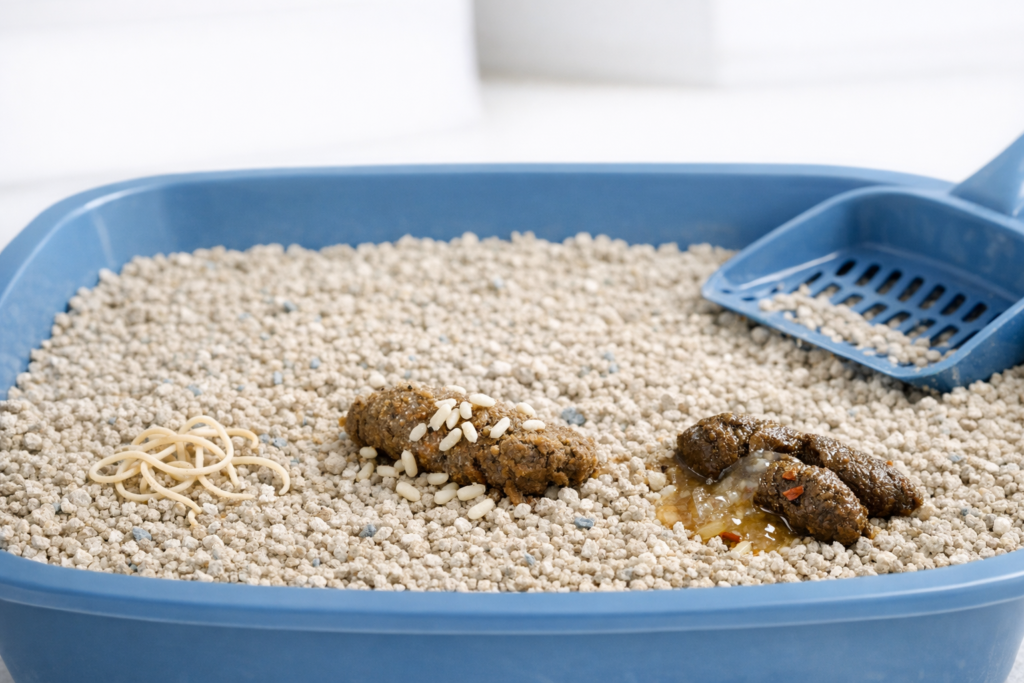
Understanding Cat Worms in Poop: What You Need to Know
Finding cat worms in poop can be an unsettling experience for any pet parent. As someone who cares deeply about the well-being of our feline companions, it is essential to approach this common health issue with calm and a proactive mindset. If you have recently spotted something unusual in your cat’s litter box, you aren’t alone. Many internal parasites are common in our feline friends, especially in our environment where stray cats and outdoor exposure are prevalent. For more comprehensive guides on maintaining your cat’s overall health and happiness, head over to our Cat Hub for expert-curated tips and resources.
While the sight of worms can feel alarming, most of these parasites are manageable with the right guidance. As pet parents, our goal is to provide a stress-free environment for our cats while keeping their physical health in check. Parasites like roundworms and tapeworms are frequent visitors in a cat’s digestive tract. Recognizing them early is the first step toward effective treatment. However, it is vital to remember that not all worms are visible to the naked eye, and diagnosing these issues requires a professional touch. Always consult with a qualified veterinarian to get an accurate diagnosis and a safe, effective deworming plan tailored specifically to your cat’s age, weight, and lifestyle.
The Pawsitive Hoomans Take
At Pawsitive Hoomans, we believe that an ounce of prevention is worth a pound of cure. We strongly advocate for regular health screenings and maintaining a pristine environment. When we talk about feline digestive health, we emphasize positive, low-stress interactions. Forcing your cat to take medication can be traumatic, so we always suggest working with your vet to find palatable, stress-free deworming solutions. We also advocate for strict hygiene practices—such as daily scooping of the litter box—which significantly reduces the risk of reinfection. Remember, your cat’s health is a journey, and having the right tools makes all the difference in keeping them happy and parasite-free.
🏥 Is your pet showing these symptoms? Log them instantly in our free Triage Engine inside Pet Passport to get immediate guidance.
Identifying Common Parasites
Not all worms look the same, and understanding what you are seeing is key to helping your vet understand the situation. Roundworms are the most common culprits and often resemble small strands of spaghetti or cooked noodles in the stool. Tapeworms, on the other hand, often appear as small, rice-like segments that may be stuck to the fur around the tail or found sitting on top of the stool. In some cases, you might not see the worms at all, but your cat may show other signs like a dull coat, a pot-bellied appearance, or increased appetite without weight gain. Never attempt to use “home remedies” or over-the-counter medications without a professional consultation, as dosages must be exact based on body weight to ensure your cat’s safety.
Hygiene and Prevention Tips
Maintaining a clean litter box is your first line of defense. Scoop your cat’s box at least once, ideally twice, a day. This limits the time that infectious eggs have to become viable. We also recommend keeping your cat indoors to prevent them from hunting prey that may carry parasite larvae. If you have multiple cats, make sure each one has their own bowl and litter space to prevent cross-contamination. If you notice signs of illness, it is time to record these findings carefully. Using our Pet Passport helps you keep track of your cat’s deworming history, vaccination schedule, and any physical symptoms you might observe, making your next vet visit much more productive.
The Role of Nutrition in Gut Health
While deworming medication is the primary way to clear an existing infestation, a healthy, balanced diet supports a robust immune system that can better handle stress. Providing high-quality, biologically appropriate protein sources ensures your cat has the energy to recover. It is important to avoid raw, untreated meats, which can be a primary source of parasites. If you are unsure if your cat’s current diet is helping them maintain a healthy weight or if you have questions about nutritional supplements, please reach out to your veterinarian. Maintaining a healthy baseline weight is crucial for a cat’s ability to fight off infections effectively.
Frequently Asked Questions
Are cat worms in poop contagious to humans?
Yes, some common internal parasites like roundworms and hookworms are zoonotic, meaning they can be transmitted to humans. You should always practice good hand hygiene after cleaning the litter box and ensure that children do not handle cat feces. Prompt treatment of your cat and regular deworming schedules significantly minimize the risk of transmission to your family members.
How often should I deworm my adult cat?
Veterinary experts typically recommend deworming adult cats every three to six months, depending on their environment and if they have access to the outdoors. If your cat is strictly indoors, the schedule might be less frequent, but a routine fecal exam during your annual health check-up is the gold standard for staying ahead of potential issues.
Can I use human deworming medicine for my cat?
No, you should never use human deworming medication on a cat, as these formulas are often toxic to felines and can be fatal. Only use medications specifically approved for cats by a licensed veterinarian. The chemical composition and the required dosage for a cat are vastly different from those used for humans, and even a small error can cause severe health complications.
Disclaimer: Pawsitive Hoomans provides general information for educational purposes only and does not constitute veterinary medical advice. Always consult with a qualified veterinarian regarding your pet’s health, diagnosis, or treatment. Never disregard professional veterinary advice or delay seeking it because of something you have read here.