
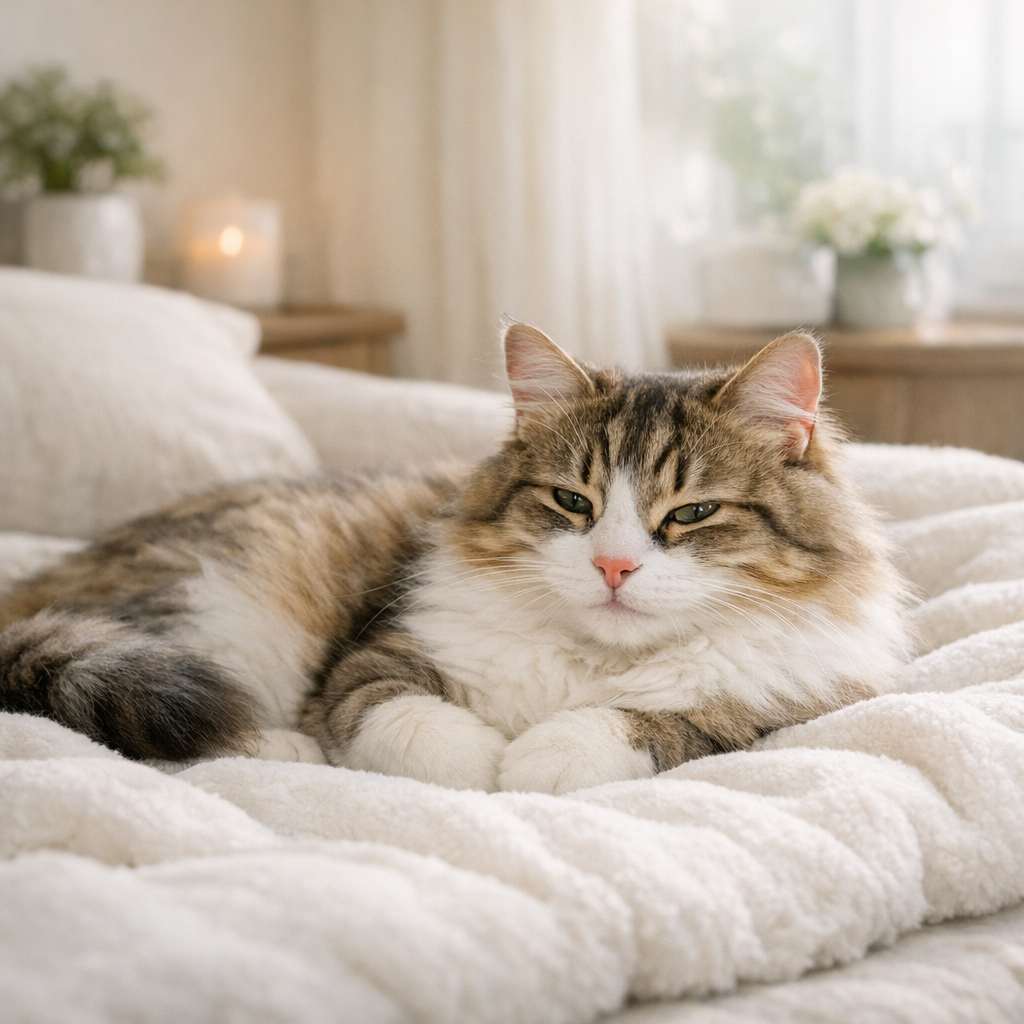
Understanding Cat Upper Respiratory Infection Symptoms and Care
When our feline companions start sneezing, wheezing, or developing watery eyes, it is natural for us to feel concerned. A cat upper respiratory infection (URI) is one of the most common health challenges encountered by domestic cats, particularly in multi-cat households or areas with high rescue density. As dedicated pet parents, recognizing the early signs of these infections is the first step toward ensuring our cats return to their happy, purring selves. Whether you are navigating this for the first time or supporting a rescue kitten, our cat-hub/ serves as your primary resource for understanding feline wellbeing.
Veterinary experts generally characterize a cat upper respiratory infection by symptoms mimicking the common human cold. These include nasal discharge, which can range from clear to thick and discolored, sneezing, lethargy, loss of appetite, and occasional mouth sores. Because cats are incredibly resilient, they often hide these symptoms until they are feeling quite unwell. Therefore, observing subtle changes in behavior—such as decreased grooming or hiding more than usual—is crucial for early detection.
The Pawsitive Hoomans Take
At Pawsitive Hoomans, we believe that providing a stress-free environment is the foundation of recovery. When a cat is battling an upper respiratory infection, their immune system is working overtime. We advocate for a “supportive care” approach, which focuses on keeping the cat hydrated, well-nourished, and comfortable while their body fights the underlying cause. While most of these infections are viral (such as feline herpesvirus or calicivirus), secondary bacterial infections can occur. This is why we emphasize that you should never attempt to treat these symptoms with leftover human medications or over-the-counter drugs, as many are toxic to cats.
We strongly support the move toward force-free, gentle handling during recovery. If your cat is struggling to eat because they cannot smell their food due to nasal congestion, try warming their wet food slightly to enhance the aroma. Keep their eyes and nose clean using a soft, damp cloth with warm water. Most importantly, maintain a peaceful, warm environment where your cat feels safe and undisturbed. Recovery isn’t just about medicine; it is about providing the emotional stability they need to heal.
🏥 Is your pet showing these symptoms? Log them instantly in our free Triage Engine inside Pet Passport to get immediate guidance.
Why Home Environment Matters
Cats are highly sensitive to their environment. During an infection, airborne irritants like incense, strong cleaning chemicals, or cigarette smoke can exacerbate respiratory distress. Veterinary professionals recommend keeping the air in your home clean and humidified. A simple trick is to take your cat into the bathroom with you while you run a hot shower; the steam can help loosen thick nasal mucus, making it easier for them to breathe. Always monitor them during this time to ensure they do not become overly stressed by the confinement.
Nutrition also plays a pivotal role. During a bout of URI, your cat may experience a decreased sense of smell, which drastically reduces their appetite. Because cats are obligate carnivores, it is essential they continue to eat to support their immune function. Use high-quality, pungent, and easily digestible wet foods. If they refuse to eat for more than 24 hours, contact your veterinarian immediately, as cats can quickly develop liver issues when fasting.
Preventative Measures and Vaccination
While we cannot always prevent every illness, we can mitigate risks through responsible pet parenthood. Keeping your cat indoors minimizes exposure to stray cats who may carry infectious diseases. Furthermore, core vaccinations play a vital role. Vaccines for feline rhinotracheitis and calicivirus do not always prevent infection entirely, but they significantly reduce the severity of the symptoms if a cat does become ill. Always discuss the appropriate vaccine schedule for your cat’s age and lifestyle with your local veterinarian.
Not sure what your pet needs? Use our free tools — Emergency Triage Guide or Custom Diet Calculator.
Frequently Asked Questions
How can I help my cat breathe better at home if they have a cold?
You can help your cat breathe better by using steam therapy in a small bathroom for 10-15 minutes twice a day to loosen nasal congestion. Additionally, keep their environment dust-free, use a warm damp cloth to gently wipe crusty discharge from their nostrils, and ensure they are eating a strong-smelling, appetizing wet food that encourages them to eat despite their loss of smell.
When is a cat upper respiratory infection considered an emergency?
An infection becomes an emergency if your cat stops eating or drinking for more than 24 hours, experiences labored or open-mouth breathing, has blue-tinted gums, or shows signs of severe lethargy where they cannot stand or move properly. These symptoms require immediate professional intervention, and you should use our Pet Passport to keep a detailed log of these symptoms to show your vet during the emergency consultation.
Are there any home remedies for a sneezing cat?
There are no safe medical ‘home remedies’ for feline infections, so you should avoid all human medications, essential oils, or herbal supplements unless explicitly prescribed by your veterinarian. You can only provide supportive care, such as increasing humidity, keeping them warm, and ensuring they remain hydrated, while leaving the diagnosis and treatment of the infection to a qualified professional.
Disclaimer: Pawsitive Hoomans provides information for educational purposes only and is not a substitute for professional veterinary advice, diagnosis, or treatment. Always seek the advice of your veterinarian with any questions you may have regarding a medical condition. Never disregard professional veterinary advice or delay in seeking it because of something you have read on this website.