
Understanding Feline Respiratory Health
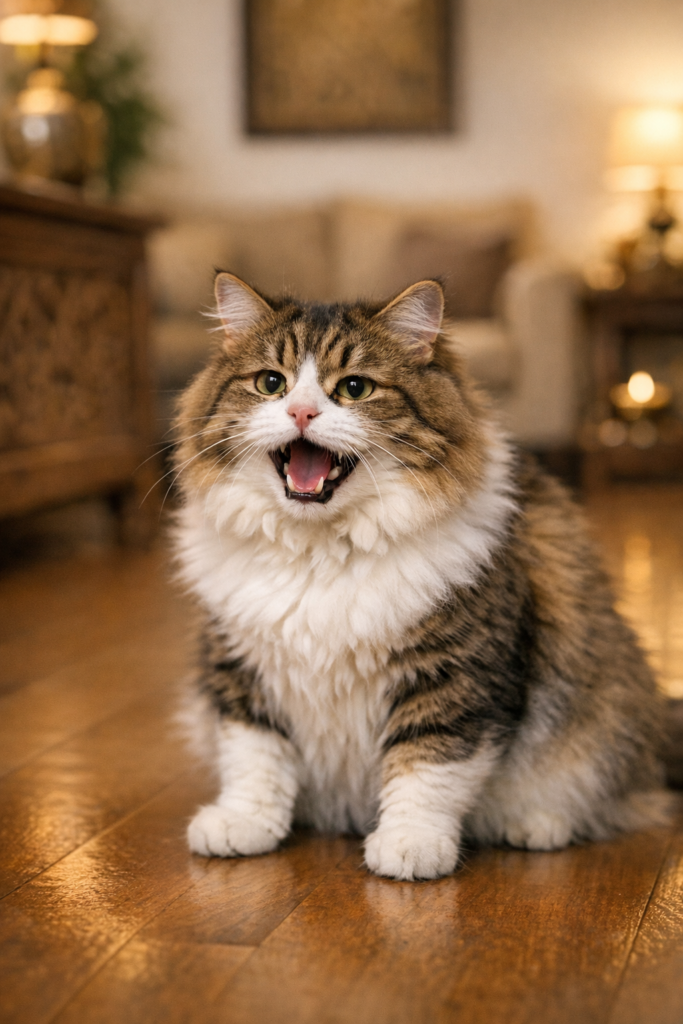
As dedicated pet parents, we love watching our feline companions zoom through the house, chasing feathers or pouncing on toy mice. It is a joy to see them exercise their natural predatory instincts. However, if you have ever noticed your furry friend with their mouth open and tongue visible after a play session, you might find yourself asking: Why is my cat panting after playing? While short bursts of heavy breathing can happen, it is vital for every owner to understand the nuances of cat respiratory health. For more insights on keeping your feline healthy and active, be sure to explore our Cat Hub, where we share comprehensive tips for every stage of your cat’s life.
Unlike dogs, who naturally pant to regulate their body temperature, cats are not built for panting. In a domestic setting, a cat panting is usually a signal that they have reached their physical limit, are feeling extreme stress, or are experiencing an underlying medical issue. While a few seconds of heavy breathing after an intense session of ‘fetch’ might seem harmless, it is often a warning sign that requires our immediate attention and observation.
Is Panting Ever Normal in Cats?
In most scenarios, persistent or open-mouthed breathing is not considered normal feline behavior. If a cat is panting after play, it typically suggests they have overexerted themselves. Cats are sprinters, not marathon runners. Their anatomy is designed for sudden, explosive bursts of energy followed by periods of rest. If your cat is panting, they may be struggling to get enough oxygen or trying to cool down because they have played beyond their current fitness capacity. However, you should never assume panting is ‘just from play.’ It could be a sign of a hidden heart condition, respiratory illness, or even heat exhaustion, which is particularly common in India’s humid and hot climate.
The Pawsitive Hoomans Take
At Pawsitive Hoomans, we believe that observing your cat’s baseline is the most important tool you have. We advocate for a ‘slow and steady’ approach to play. Instead of one long, exhausting session that leads to gasping or panting, break playtime into multiple 5-to-10-minute intervals throughout the day. This keeps your cat engaged without placing excessive stress on their heart and lungs. If you notice your cat panting, stop the play immediately, encourage them to rest in a cool, quiet area, and monitor them closely. If the panting does not stop within a few minutes, or if they appear lethargic, weak, or have blue-tinted gums, this is an emergency that requires a visit to a vet immediately.
🏥 Is your pet showing these symptoms? Log them instantly in our free Triage Engine inside Pet Passport to get immediate guidance.
Factors That Increase Respiratory Stress
Several environmental and health factors can exacerbate the need for a cat to pant. In India, environmental heat is a significant contributor. If you are playing with your cat in a room without proper ventilation or during the peak heat of the afternoon, their core body temperature can rise quickly. Furthermore, weight plays a massive role; overweight cats or those with sedentary lifestyles are far more likely to experience respiratory strain after even mild physical activity. If you need to manage your cat’s weight to improve their energy levels, our free tools can help you track their progress efficiently.
When to Seek Veterinary Care
Never wait to see if ‘it goes away on its own’ if the breathing seems labored. Veterinary experts recommend a physical exam if your cat is panting at rest, panting after very light activity, or showing signs of coughing or wheezing. These could be indicators of conditions like Feline Asthma, heart disease, or fluid in the lungs. Remember, cats are masters at masking pain and illness; by the time you see them panting, the underlying issue may have been present for quite some time.
Creating a Safe Play Environment
To avoid respiratory distress, keep your home environment cool. Use fans or air conditioning during the summer months in India. Always provide fresh, clean water in multiple locations around the house to prevent dehydration, which can worsen heat-related stress. If you use treat-dispensing toys, ensure the cat isn’t overexerting themselves to get the reward. For those who want to keep track of their cat’s health milestones, keeping a digital record of these play sessions and any odd behaviors is highly recommended.
Not sure what your pet needs? Use our free tools — Emergency Triage Guide or Custom Diet Calculator.
Frequently Asked Questions
Is it normal for a cat to pant after playing fetch?
No, it is not considered normal behavior for a healthy cat to pant after playing, even after an intense game like fetch. If your cat is panting, they are likely physically overexerted, suffering from heat exhaustion, or experiencing an underlying medical condition that needs to be evaluated by a veterinarian.
How long should a cat pant after exercise before I worry?
If your cat continues to pant for more than one or two minutes after the activity has stopped, you should seek veterinary attention immediately. Any panting that occurs while the cat is at rest or after minimal exertion is a red flag that warrants a professional health check.
Can heat cause my cat to pant while playing?
Yes, the hot and humid climate in India can significantly increase the risk of heat exhaustion, causing a cat to pant during or after play. Always ensure your cat has access to a cool, shaded environment and fresh water to prevent overheating during active hours.
Being proactive about your cat’s health means catching small signs early. For a reliable way to keep all your pet’s medical information, vaccination dates, and observation notes in one place, make sure to set up your Pet Passport. Consult with a qualified veterinarian for all medical decisions, as this article is for educational purposes only and not a substitute for professional medical advice.