
Emergency Action: What to do if your cat is hit by a car
Witnessing your beloved companion being involved in an accident is perhaps the most terrifying experience a pet parent can face. If your cat is hit by a car, every second counts. As we explore in our cat hub, staying calm and acting with precision can drastically improve the chances of a positive outcome. It is crucial to remember that your cat is likely in shock and pain, which can cause even the gentlest feline to bite or scratch. Approach them slowly, talk in a soft, low voice, and prioritize safety for both you and your pet.
The first step after an accident is to assess the scene and ensure it is safe for you to approach. Move your cat only if they are in immediate danger of being hit again. If you must move them, use a thick towel or a heavy jacket as a makeshift stretcher. Lay them down carefully to keep their spine and neck as straight as possible. Do not attempt to give them food, water, or any medications you might have at home, as this can complicate medical procedures later. Your goal is to get your cat to a veterinary facility immediately. If your cat is unconscious, check for breathing and a heartbeat, but focus primarily on transport.
The Pawsitive Hoomans Take
At Pawsitive Hoomans, we believe that the best way to keep our feline friends safe is through proactive environmental management. While accidents can happen, we strongly advocate for indoor-only lifestyles or carefully constructed, safe “catios.” The outdoors holds many risks, from traffic and territorial conflicts to infectious diseases. If your cat does experience trauma, the role of the pet parent shifts from caregiver to triage specialist. By keeping a cool head, you act as the bridge between the trauma site and the life-saving intervention provided by professional medical teams.
🏥 Is your pet showing these symptoms? Log them instantly in our free Triage Engine inside Pet Passport to get immediate guidance.
Handling Shock and Internal Injuries
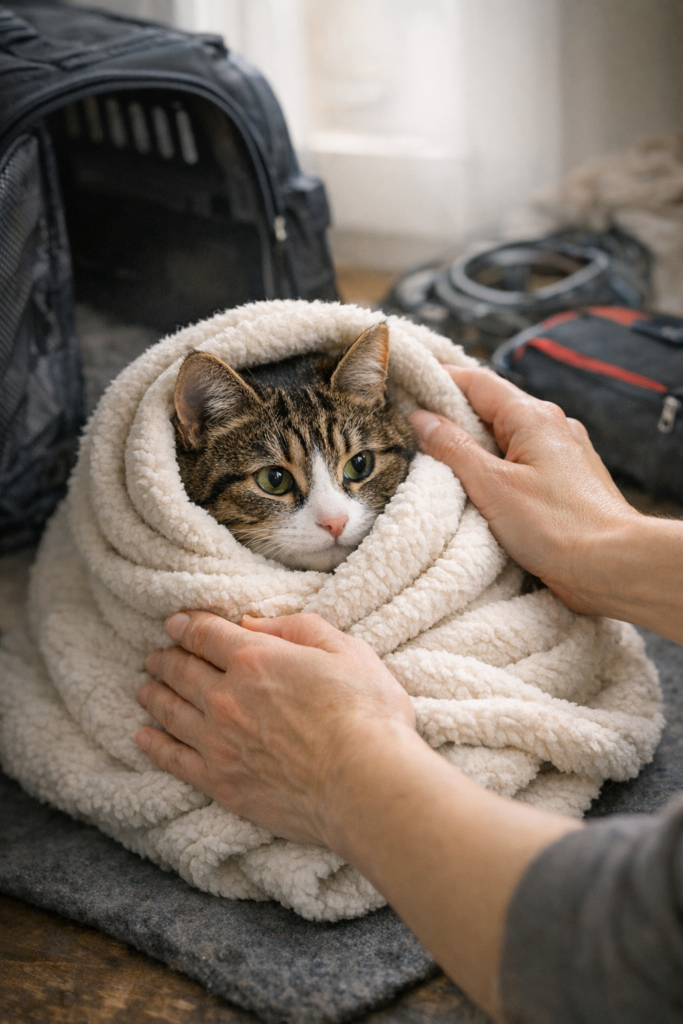
One of the most dangerous complications after a cat is hit by a car is internal shock. Your cat may look “okay” on the outside, but they could be suffering from internal bleeding or organ trauma. Research shows that signs of shock in cats include pale gums, rapid but weak pulse, shallow breathing, and cold limbs. Even if there are no visible external wounds, you must treat the situation as an emergency. Keep your cat warm with a blanket during the journey to the vet to help mitigate the effects of shock, but ensure they can still breathe comfortably.
Stabilization During Transport
When transporting your cat, minimize movement. Use a sturdy carrier if possible, or a rigid box lined with a soft cloth. Keep the environment as quiet as possible—turn off the car radio and keep human voices calm. Avoid placing the carrier on a seat where it might slide or tip during braking. Having another person in the car to monitor the cat’s breathing is ideal. If your cat becomes agitated or struggles, do not try to restrain them aggressively, as this may exacerbate fractures or spinal injuries. Focus on reaching the clinic swiftly and safely.
Not sure what your pet needs? Use our free tools — Emergency Triage Guide or Custom Diet Calculator.
The Role of Veterinary Care
Upon arriving at the vet, provide a clear, concise history. Mention exactly when and how the accident happened. Be prepared for the medical team to prioritize stabilization over diagnostics like X-rays. They will likely focus on IV fluids, oxygen therapy, and pain management. Always trust the judgment of the veterinary professionals in your area; they have the equipment to handle trauma that simply cannot be replicated at home. Follow their post-trauma care instructions religiously, as internal injuries can manifest days after the initial impact.
As you move forward, keep a detailed record of your pet’s recovery journey, including medication schedules and follow-up appointments, by utilizing our Pet Passport to ensure nothing is missed in your cat’s health tracking.
Frequently Asked Questions
Should I try to wash my cat’s wounds if they were hit by a car?
No, do not attempt to wash or clean open wounds before reaching the vet, as this may increase the risk of infection or cause further pain. Your immediate priority is to stop active bleeding by applying gentle, direct pressure with a clean cloth and transporting your cat to an emergency clinic as quickly as possible for professional wound debridement and sterile treatment.
How do I know if my cat has internal injuries after an accident?
If your cat has pale or white gums, cold paws, difficulty breathing, or appears lethargic after being hit, assume they have internal injuries even if they look fine outwardly. Internal trauma is common in vehicle accidents and requires immediate diagnostics like ultrasounds or radiographs performed by a veterinarian to identify bleeding or organ damage.
Can I give my cat pain relief medicine from my own medicine cabinet?
Never give your cat human painkillers like paracetamol, ibuprofen, or aspirin, as these are highly toxic and can be fatal to cats. Always wait for a qualified veterinarian to administer safe, cat-specific analgesics in a controlled medical environment to manage their pain effectively without causing organ failure.
Disclaimer: Pawsitive Hoomans is an educational platform and does not provide veterinary medical advice, diagnosis, or treatment. Always consult with a qualified veterinarian regarding your pet’s health and emergency needs.