
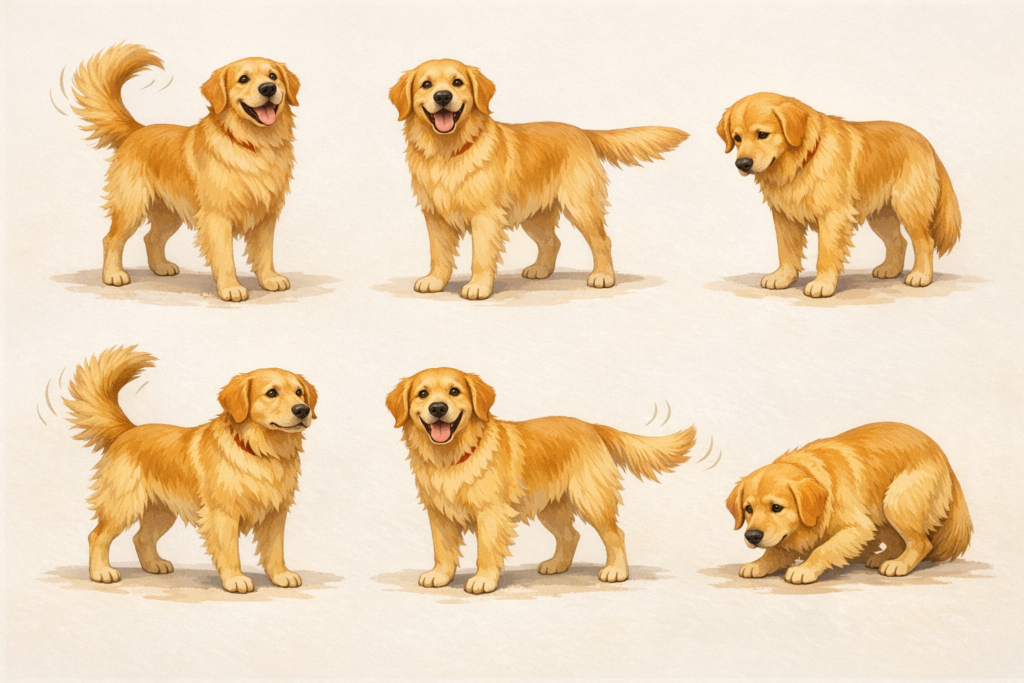
The Anatomy and Psychology of Your Dog’s Tail
As a veterinarian, I often hear owners remark, “I just love looking at his tail!” It is a sentiment that reflects the deep bond between humans and their canine companions. However, the tail is far more than an adorable appendage that wags when you walk through the door. It is a sophisticated, highly functional tool that serves as a primary mode of communication, a balance-regulating instrument, and a window into your dog’s internal state of health and emotion. Understanding the nuances of dog tail language is essential for every responsible pet parent who wants to foster a stronger, more empathetic connection with their furry friend.
At a physiological level, the tail is a direct extension of the canine spine. It contains caudal vertebrae, muscles, nerves, and blood vessels. Because it is so closely integrated with the nervous system, a dog’s tail can be incredibly sensitive. It is important to treat it with care—never pull, tug, or grab a dog’s tail, as this can cause significant pain, nerve damage, or spinal distress. By respecting this part of their anatomy, we honor the complex physical bridge it provides for their social interactions.
Decoding the Wag: More Than Just Happiness
One of the most persistent myths in the pet world is that a wagging tail always signifies a happy dog. From a clinical and behavioral perspective, this is a dangerous oversimplification. A wagging tail is essentially an expression of arousal or engagement, not necessarily joy. To understand what your dog is saying, you must look at the positioning, speed, and tension of the tail in relation to their entire body language.
A loose, full-body wag that incorporates a relaxed posture usually signals comfort and sociability. Conversely, a tail held high and rigid—even if it is vibrating—can indicate tension, potential aggression, or high alertness. A tail tucked tightly between the legs typically suggests fear, anxiety, or submission. When observing your dog, take note of the “base” of the tail. A tail that is held slightly elevated and moving in wide, sweeping arcs is generally a sign of a friendly, balanced dog. However, if you notice sudden, repetitive, or abnormal tail behaviors, it is vital to consult your veterinarian to rule out pain or neurological issues.
The Role of the Tail in Canine Balance
Beyond communication, the tail serves a vital biomechanical purpose. It acts as a counterbalance, allowing dogs to navigate sharp turns during a run or maintain stability on uneven surfaces. If you have ever watched a dog move at high speeds, you have likely noticed how they use their tail as a rudder. This is why dogs with docking procedures or congenital abnormalities often adapt, but may have slightly different mobility patterns. Protecting your dog from tail injuries—such as “happy tail syndrome,” where a dog wags their tail so vigorously against hard surfaces that it causes trauma—is an important part of proactive pet care.
The Pawsitive Hoomans Take
At Pawsitive Hoomans, we believe that communication is a two-way street. When we interpret our dogs correctly, we become better advocates for their well-being. We firmly stand against any practices that involve tail docking for cosmetic purposes; the tail is an integral part of who the dog is and how they express their existence. Furthermore, we advocate for force-free training methods. When you notice your dog’s tail tucked in fear, never punish them or attempt to “force” them to be brave. Instead, assess the environment, remove the stressor, and use positive reinforcement to build their confidence at their own pace. Respecting the tail is respecting the dog’s autonomy.
When to Seek Veterinary Advice
Because the tail is an extension of the spine, any sudden change in how a dog holds or moves their tail is a medical concern. I frequently treat “limber tail” (also known as cold tail or swimmer’s tail), which is an acute condition where the tail becomes limp and painful at the base. This can happen after strenuous exercise or exposure to cold water. If your dog is struggling to wag their tail, is holding it in an unusual position, or seems to have pain at the base of the tail, please contact your veterinarian immediately. Do not attempt to treat the area at home with human medications or topical ointments, as many can be toxic or ineffective. Professional diagnostics, including palpation and sometimes radiographs, are necessary to ensure your dog is comfortable and pain-free.
Ethical Sourcing and Rescue
When bringing a new dog into your life, consider the benefits of adoption. Many rescue organizations provide dogs with full behavioral and health assessments. If you are worried about “tail-related” health issues, shelter staff and rescue volunteers can often provide invaluable insights into the dog’s history and current physical status. Choosing to rescue means you are not supporting industries that perpetuate the breeding of dogs with “fashionable” but non-functional tail traits. Every dog deserves a home where their natural behaviors are understood and valued.
Building a Bond Through Observation
The next time you find yourself thinking, “I love looking at his tail,” take a moment to look a little deeper. Is the wag symmetrical? Is the tail held in a way that suggests confidence or caution? By paying attention to these subtle cues, you can better anticipate your dog’s needs, identify signs of discomfort early, and reinforce a relationship built on mutual respect and observation. Your dog is constantly talking to you; learning to listen through their movement is one of the greatest gifts you can give them.
Disclaimer: This article is intended for educational purposes only and does not replace professional veterinary advice. If you have concerns about your dog’s health, behavior, or tail condition, please consult your local veterinarian or a qualified veterinary behaviorist immediately.