
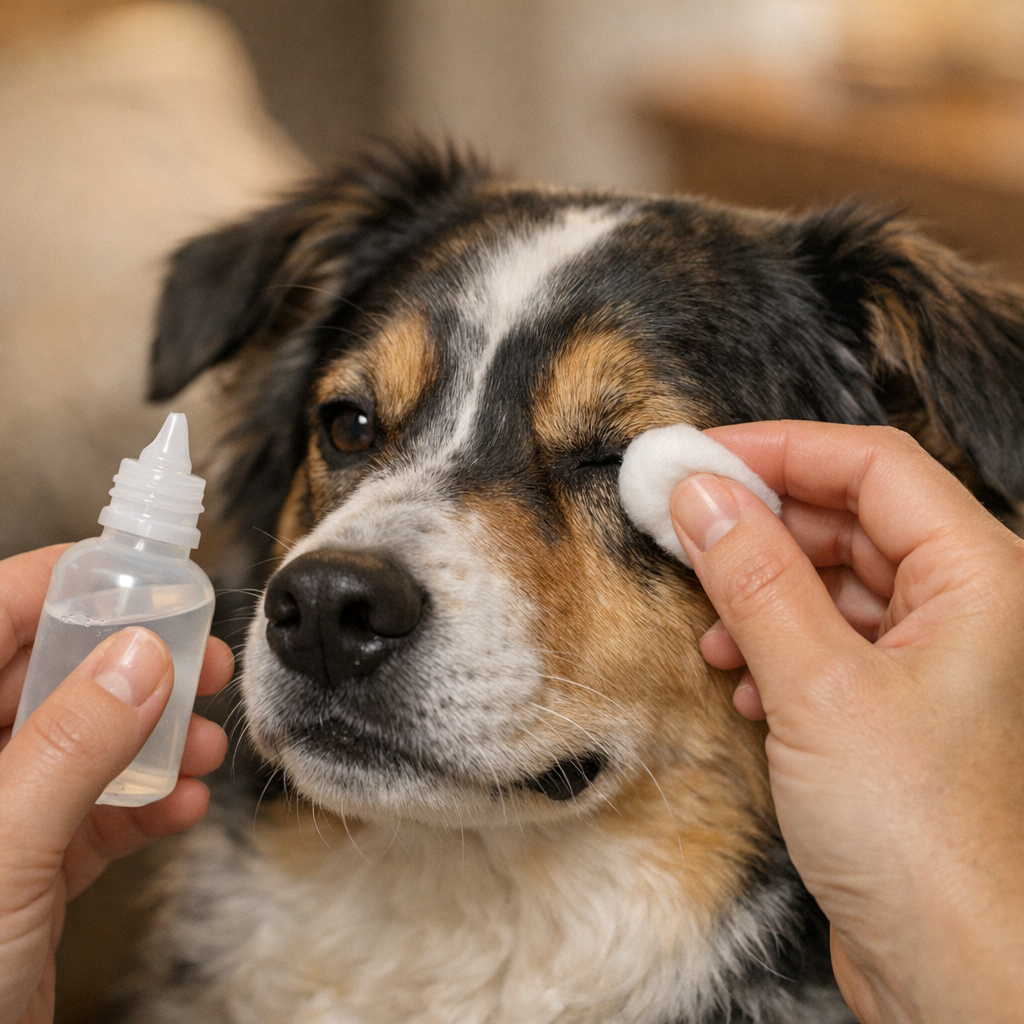
Understanding Dog Eye Injury First Aid
As pet parents, there are few things more stressful than noticing your dog squinting, pawing at their face, or struggling with eye discharge. A dog eye injury can happen in a heartbeat, whether your pup is playing in a tall-grass field, running through a dusty lane, or having a scuffle with another animal. Because your pet’s vision is precious and eyes are incredibly delicate, knowing how to provide immediate care is essential. When you notice something wrong, having the right information from our dog care resources can help you stay calm and make the best decisions for your canine companion.
It is important to remember that eyes are highly vascularized and prone to rapid infection. If you notice signs like excessive tearing, redness, cloudiness, or your dog keeping an eye shut, you must act with caution. Never attempt to apply human eye drops, leftover medications, or herbal remedies found at home, as these can cause permanent damage to your dog’s cornea.
The Pawsitive Hoomans Take
At Pawsitive Hoomans, we believe that the foundation of great pet care is proactive observation. We advocate for a “look but don’t touch” approach when it comes to ocular emergencies. The goal of first aid in this context is not to “fix” the eye, but to stabilize the area, prevent further self-trauma, and get to a qualified professional as quickly as possible. We firmly stand against the use of harsh chemical cleaners or DIY solutions. Your role is to be a calm guardian—your dog will pick up on your stress, so keep your voice soft and your movements slow while you arrange transport to a clinic.
🏥 Is your pet showing these symptoms? Log them instantly in our free Triage Engine inside Pet Passport to get immediate guidance.
Step-by-Step Initial Assessment
If you suspect an injury, keep your dog in a dimly lit, quiet room. Bright light can be painful for an injured eye. Carefully inspect the eye without touching the surface. Look for obvious foreign objects like grass seeds, thorns, or dust, which are common in our Indian climate. If you see a foreign body, do not attempt to pull it out, especially if it is stuck in the center of the eye (the cornea). Pulling it can cause a sudden release of eye fluids, leading to irreversible loss of vision.
If the eye is dusty, you may gently flush it with sterile saline solution (the kind you buy at a pharmacy for contact lenses). Never use tap water or boiled water, as these can contain bacteria or minerals that worsen an injury. To flush, gently tilt your dog’s head and allow the saline to run over the surface of the eye, catching it with a soft, clean cotton ball. Do not press against the eyeball itself.
Preventing Self-Trauma
The biggest threat to an injured eye is the dog’s own paw. Dogs will instinctively rub their eyes when they feel pain, which can lead to corneal ulcers or even ruptures. An Elizabethan collar (cone) is your best friend during this time. If you don’t have one, keep your dog supervised 100% of the time, distracting them with gentle talk or calming touch until you reach a veterinary facility. If they are in a high-traffic area, cover the injured eye with a loose, dry, sterile dressing, but ensure it is not applying any pressure to the eyeball.
When to Seek Urgent Help
In the Indian context, many clinics close at night. However, a sudden eye injury—especially one involving a protruding eyeball (common in flat-faced breeds like Pugs or Shih Tzus) or a deep puncture—is a life-threatening emergency for your pet’s sight. If your dog shows sudden lethargy or is clearly in extreme distress, do not wait for the morning. Contact an emergency facility immediately.
For routine updates on your dog’s health, you can track their history using our Pet Passport. This tool is invaluable when speaking to a vet, as you can provide an accurate timeline of symptoms, recent activities, and any medications your dog might be on, ensuring the best care possible.
Not sure what your pet needs? Use our free tools — Emergency Triage Guide or Custom Diet Calculator.
Frequently Asked Questions
Can I put honey or coconut oil in my dog’s eye for an injury?
No, you should never put honey, coconut oil, or any other household substance into your dog’s eye. These items are not sterile and can introduce bacteria or fungi, leading to severe infections, corneal ulcers, and potential permanent blindness.
My dog is squinting one eye but there is no blood; do I still need a vet?
Yes, you should visit a vet within 24 hours even if there is no blood, as squinting is a primary sign of eye pain or a corneal scratch that is not visible to the naked eye. Veterinary professionals use specialized dyes, such as fluorescein, to detect microscopic abrasions on the cornea that require specific prescription drops to heal.
What is the best way to clean my dog’s eye if it has discharge?
Use only a sterile, store-bought eye saline solution on a clean, soft cotton pad to gently wipe the external area around the eye. Always wipe from the inner corner (near the nose) moving outward, and use a fresh cotton pad for each eye to prevent cross-contamination if the issue is infectious.
Disclaimer: This content is for educational purposes and is not a substitute for professional veterinary advice, diagnosis, or treatment. Always consult with a qualified veterinarian regarding your pet’s health and medical needs.