
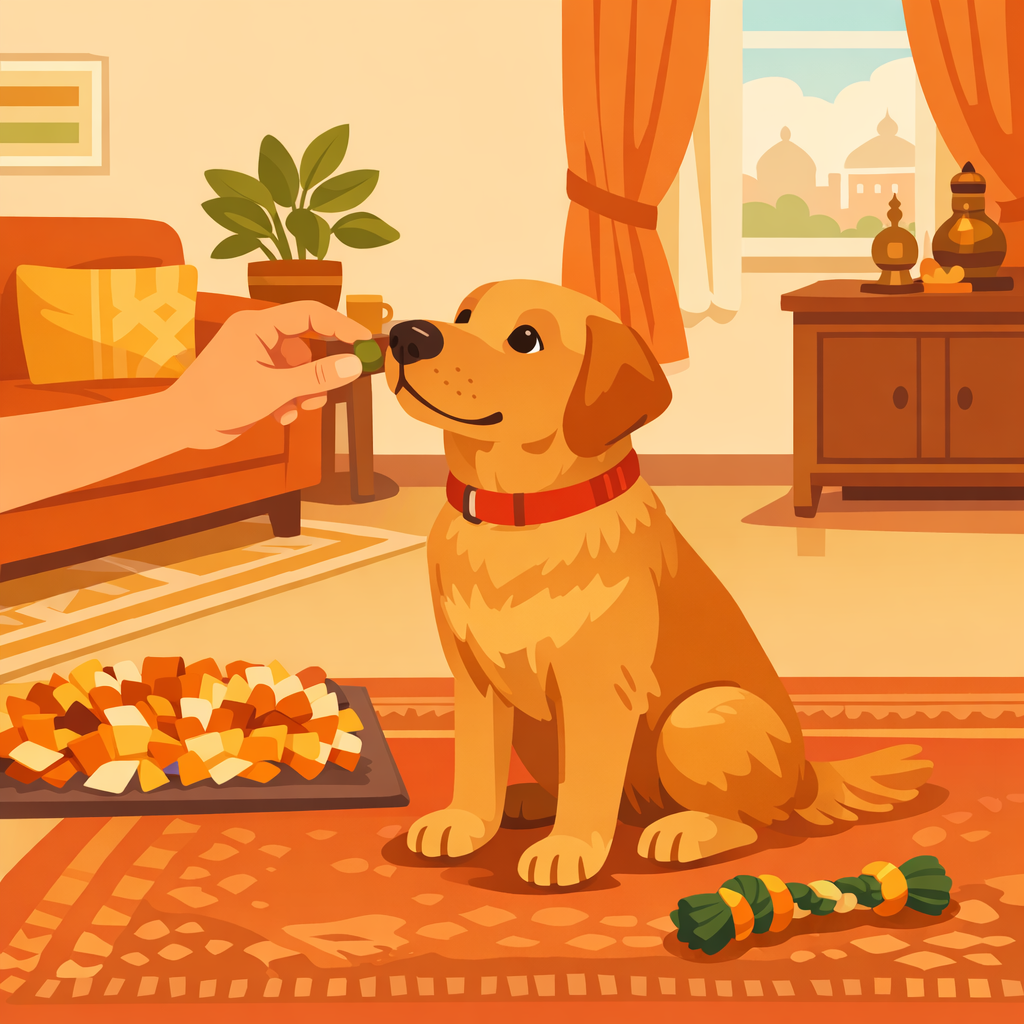
Understanding Why Your Dog Barks
As pet parents, we often find ourselves wondering how to stop dog barking, especially when our furry friends decide that the doorbell is a major emergency or that the delivery person is a suspicious character. Barking is a natural form of communication for our canine companions, but when it becomes excessive, it can be a source of stress for both you and your neighbors. For those looking to support their pup’s emotional well-being, exploring our dog-hub is the first step toward understanding the unique needs of your canine companion.
It is important to remember that dogs don’t bark just to be annoying. They bark to express excitement, boredom, fear, or to alert us to something they perceive as important. Before we attempt to change this behavior, we must identify the ‘why.’ Are they anxious? Are they under-stimulated? Or perhaps they are reacting to environmental triggers common in our busy Indian urban neighborhoods? By looking at the root cause, we can choose force-free, positive reinforcement methods that build trust rather than fear.
The Pawsitive Hoomans Take
At Pawsitive Hoomans, we firmly believe that training should never involve shock collars, shouting, or physical punishment. These methods often increase anxiety, which ironically leads to even more barking. Instead, we advocate for redirection and reinforcement of calm behavior. When a dog barks, they are often asking for something. Our job is to teach them that silence is a much faster way to get what they want—whether that is a treat, playtime, or your attention. Consistency is the magic ingredient. If you ignore the barking today but scold them tomorrow, the inconsistency will only confuse your dog, making the behavior harder to extinguish.
🐾 Keep a complete health record for your pet with our free Pet Passport. Track vaccinations, weight and behaviour in one place.
Identifying Triggers in the Environment
Many Indian pet parents live in apartments where the sounds of the hallway, the elevator, or barking strays outside are constant. If your dog is a ‘watchdog,’ they likely feel it is their duty to announce every passerby. You can minimize these triggers by using curtains to block the view of the street or playing white noise to dampen the sounds of the hallway. When your dog sees a trigger—like a stranger approaching—you can teach them a ‘quiet’ command by rewarding them the moment they look at you instead of barking. This is called ‘engaging’ with the owner, and it is a powerful tool in your positive training arsenal.
Providing Mental and Physical Enrichment
A tired dog is a quiet dog. Often, excessive barking is a symptom of pent-up energy or boredom. In our climate, it can be difficult to go for long walks during the hot afternoons, but that doesn’t mean your dog can’t get their workout. Snuffle mats, puzzle toys, and hide-and-seek games are fantastic ways to tire your dog out mentally. If your dog has a job to do, they are much less likely to spend their day barking at the wind.
The Power of Positive Reinforcement
When your dog remains quiet during a situation that usually causes a barking fit, reward them immediately. Keep a pouch of small, healthy treats nearby. By marking the ‘quiet’ behavior with a ‘yes’ or a clicker and following it with a reward, you are teaching your dog that silence is a profitable behavior. Research shows that dogs are much more likely to repeat behaviors that earn them a positive reward, rather than behaviors that lead to conflict.
Not sure what your pet needs? Use our free tools — Emergency Triage Guide or Custom Diet Calculator.
Conclusion
Teaching your dog to be quiet takes time, patience, and a lot of love. If the barking seems related to sudden pain, severe anxiety, or distress, please consult your veterinarian immediately to rule out underlying health issues. By maintaining a log of your dog’s training progress and behavior patterns in your Pet Passport, you can better track what techniques work best for your unique furry family member.
Frequently Asked Questions
Why does my dog bark at every person passing by our gate?
Your dog is likely exhibiting territorial behavior or reacting to perceived movement, which is a natural instinct for many breeds. You can manage this by blocking their view of the gate or by teaching them an ‘alternative behavior,’ such as moving to a ‘place’ mat whenever they hear a sound, where they can receive a high-value treat for staying quiet.
Is it okay to use a muzzle or bark collar to stop barking?
No, veterinary experts strongly discourage the use of bark collars as they cause pain or discomfort, which creates fear and can escalate behavioral issues. Positive reinforcement is the only safe and effective way to teach your dog, focusing on reward-based training rather than punishment.
How long does it take to train a dog to stop barking?
Most dogs start showing improvement within two to four weeks of consistent, positive reinforcement training. Consistency is key; every family member must follow the same rules, and progress depends on the dog’s age, personality, and the duration of the established habit.
Disclaimer: This article is for educational purposes only and does not constitute veterinary or medical advice. Always consult with a qualified veterinarian regarding your pet’s behavioral or health concerns, or before beginning any new training regimen.