
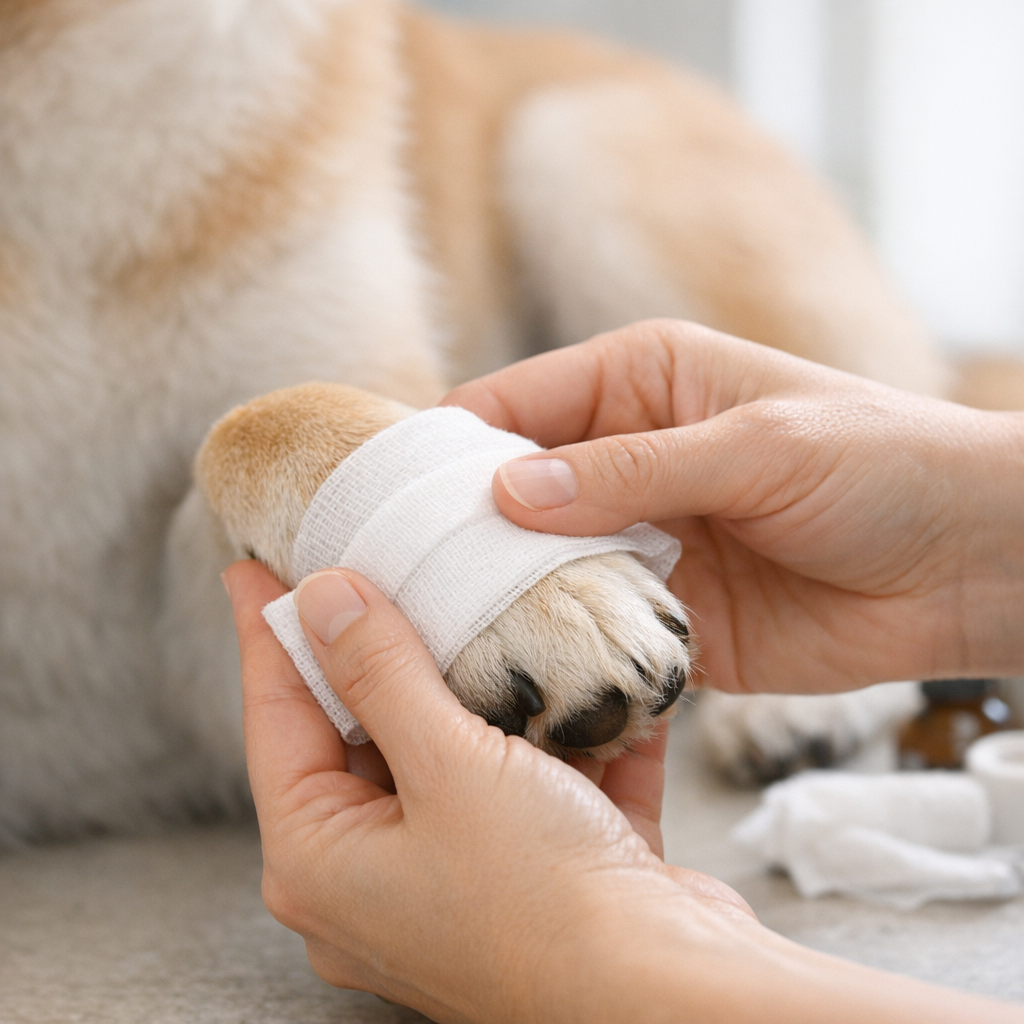
Understanding Dog Paw Pad Injuries
As pet parents, there is perhaps nothing more startling than noticing a trail of bright red spots across your living room floor, only to realize your furry friend is suffering from a dog bleeding paw pad. Whether your pup has been exploring rough terrain, running on hot Indian asphalt, or perhaps stepped on a sharp piece of debris, paw injuries can be incredibly painful and often bleed quite profusely because the paws are so rich in blood vessels. Before you panic, it is important to stay calm and assess the situation. If you are ever unsure about your dog’s general wellbeing, remember to browse our dog-hub/ for comprehensive tips on keeping your canine companion safe and healthy.
When you spot blood, your first instinct might be to rush to the nearest emergency clinic. While serious injuries do require professional medical intervention, many minor paw pad abrasions or small cuts can be managed with immediate first aid at home. It is crucial to remember that as advocates for our pets, our goal is to minimize pain and prevent infection until you can confirm the severity of the wound with a qualified veterinarian.
Step-by-Step First Aid for Paw Injuries
If you notice your dog limping or leaving blood prints, follow these steps to manage the situation safely. First, gently restrain your dog. Even the calmest pet may try to bite if they are in significant pain, so consider using a muzzle or having another person help hold them gently. Examine the paw pad carefully under a bright light. Look for foreign objects like thorns, glass, or burrs that might still be embedded. If you see something stuck, do not attempt to remove it if it is deeply embedded; this should be handled by a professional.
Next, clean the area gently. Use room-temperature water or a mild saline solution to flush out any dirt or debris. Avoid using harsh household chemicals like Dettol or hydrogen peroxide directly on the wound, as these can sting and damage delicate tissue. Once clean, use a clean cloth or sterile gauze to apply gentle, firm pressure to the bleeding area for at least 5 to 10 minutes. Because paw pads have such high blood circulation, they often bleed more than they should; patience is key here.
The Pawsitive Hoomans Take
At Pawsitive Hoomans, we believe that prevention and preparation are the cornerstones of responsible pet parenting. We advocate for a “look before you leap” approach to outdoor activity. In our climate, hot surfaces can lead to severe burns on paw pads, which may then crack and bleed. Always check the ground temperature with your hand before letting your dog walk on paved surfaces. If it’s too hot for your hand, it’s definitely too hot for their paws. We strictly promote positive reinforcement training; if your dog has an injury, use high-value treats to keep them calm during the cleaning process, ensuring they associate the care they receive with safety rather than fear.
🏥 Is your pet showing these symptoms? Log them instantly in our free Triage Engine inside Pet Passport to get immediate guidance.
Furthermore, ensure your dog is comfortable with handling their feet long before an injury occurs. Practice touching their paws during your daily grooming sessions so that if an emergency arises, they are already accustomed to your touch and won’t be as stressed.
When to See a Veterinarian
Not every cut requires a vet, but you must know when the situation has exceeded home-care capabilities. If the bleeding does not stop after 15 minutes of firm, direct pressure, seek emergency care immediately. Similarly, if the cut is deep enough to reveal underlying tissue, looks jagged, or is caused by a rusty object, professional care is mandatory to prevent infections like tetanus. Always consult a veterinarian for medical decisions or if your dog is showing signs of systemic illness like lethargy, loss of appetite, or an inability to put weight on the limb.
Not sure what your pet needs? Use our free tools — Emergency Triage Guide or Custom Diet Calculator.
Conclusion
Handling a dog bleeding paw pad is a stressful experience, but staying prepared can make all the difference. By keeping a first-aid kit ready and maintaining a calm demeanor, you can provide the support your dog needs while waiting for professional advice. To keep track of your dog’s injury history and recovery progress, be sure to update your digital health records in Pet Passport after every incident to share with your vet during follow-up visits.
Frequently Asked Questions
Can I apply turmeric on my dog’s bleeding paw pad?
No, you should avoid applying turmeric or other kitchen ingredients to an open, bleeding wound on your dog’s paw. While turmeric is often used in human home remedies, it can irritate an open wound, make it difficult for a veterinarian to properly assess the injury during an exam, and potentially harbor bacteria that could lead to an infection.
How do I know if the cut on my dog’s paw is deep enough for stitches?
If the gap in the skin remains open even after you stop applying pressure, or if you can see white or fatty tissue underneath, the cut is likely deep enough to require veterinary stitches. Deep wounds on the paw pad are notoriously difficult to heal on their own because the paw is under constant pressure and movement whenever the dog walks, often causing the wound to reopen and bleed again.
Should I wrap my dog’s bleeding paw with a bandage at home?
You may use a clean, breathable bandage to stop bleeding, but it must be removed or changed frequently to prevent moisture buildup and circulation issues. Never wrap a paw too tightly, as this can cut off blood flow to the toes, and ensure the bandage is kept dry at all times; if it gets wet from walking on grass or wet surfaces, it must be replaced immediately to avoid fungal or bacterial growth.
Disclaimer: The information provided on PawsitiveHoomans.com is for educational and informational purposes only and does not constitute professional medical, veterinary, or behavioral advice. Always seek the advice of your veterinarian or other qualified health provider with any questions you may have regarding a medical condition. Never disregard professional veterinary advice or delay in seeking it because of something you have read on this website.