
Understanding the Brilliance of Indie Dogs
When you bring a rescue Indie into your home, you aren’t just getting a pet; you are welcoming an intelligent, resilient, and deeply loyal companion into your family. Understanding the unique nature of Indian Pariah dogs is the first step toward successful indie dog training in India. Unlike breeds selectively bred for specific jobs, our local Indie dogs have evolved alongside humans for thousands of years, resulting in a breed that is naturally sharp, observant, and sometimes a bit independent. If you are starting your journey with a new pup, our comprehensive dog hub offers resources tailored to the unique needs of our local canine companions.
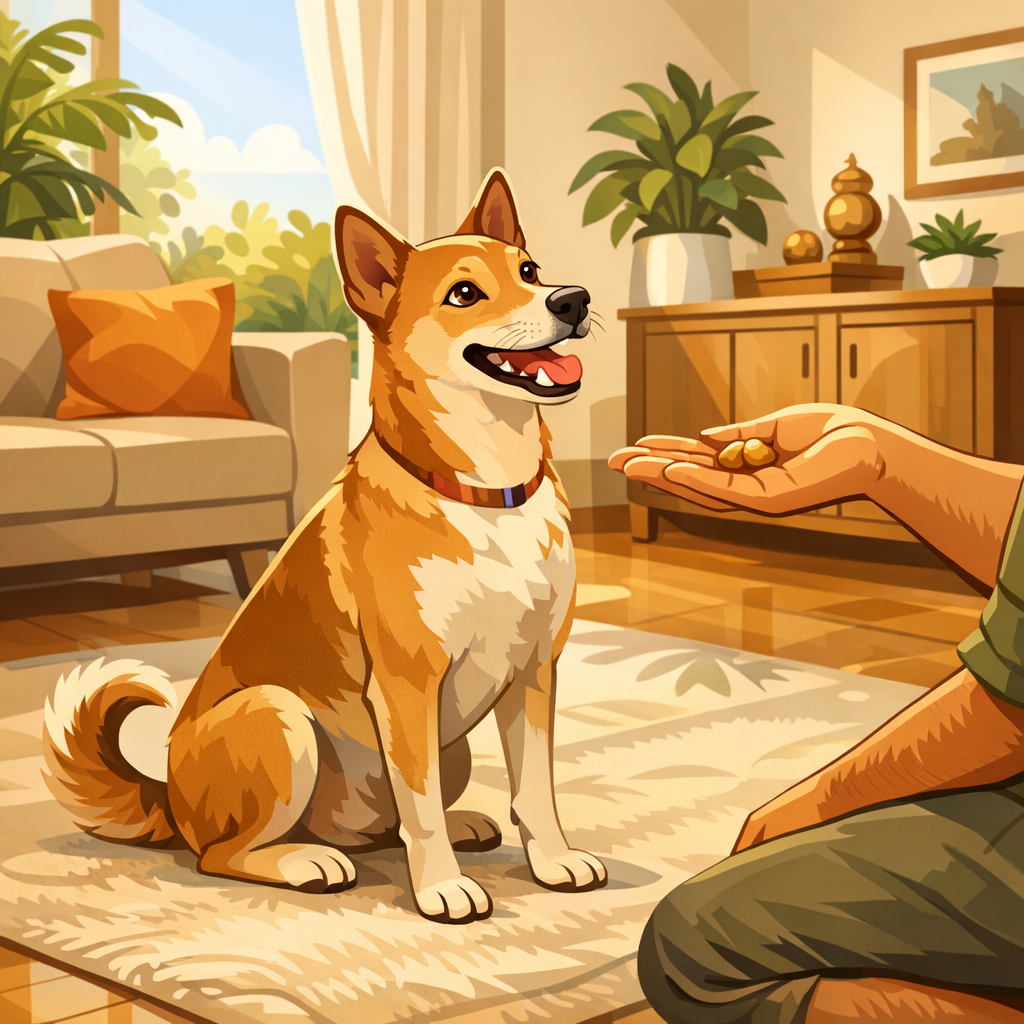
At Pawsitive Hoomans, we believe that training is not about ‘dominance’ or ‘controlling’ your dog, but about building a language of mutual trust and respect. Because Indies are incredibly smart, they do not respond well to outdated, forceful methods. Instead, they thrive on positive reinforcement—the practice of rewarding the behaviors you want to see rather than punishing the ones you don’t. By focusing on motivation, clear communication, and consistency, you can transform your Indie into a well-mannered family member who is a joy to have in your home and on your neighborhood walks.
The Pawsitive Hoomans Take
Our philosophy is rooted in the belief that every dog deserves to feel safe. When you train an Indie dog using force-free methods, you are teaching them that the world is a predictable and rewarding place. We have seen firsthand how quickly these dogs learn when they are encouraged with high-value treats, praise, and play. The key is patience. Your Indie may not have had the same start as a pedigree puppy, but their adaptability and resilience mean they are capable of learning almost anything given the right environment. We encourage all pet parents to embrace the process as a bonding experience rather than a chore.
🐾 Keep a complete health record for your pet with our free Pet Passport. Track vaccinations, weight and behaviour in one place.
Core Principles of Positive Training
Training an Indie requires consistency. If you want your dog to sit on command, every family member needs to use the same word and the same cue. If you allow your dog to jump on the sofa today but scold them for it tomorrow, you will only confuse them. Veterinary experts recommend that training sessions remain short and fun—five to ten minutes, two or three times a day—rather than one long, exhausting session. Always end on a high note with a game or a favorite toy to ensure your dog associates training with positivity.
Socialization in the Indian Context
Socialization is a critical pillar of indie dog training in India. India is a bustling, noisy place, and a well-socialized Indie needs to be comfortable with traffic, crowds, other pets, and various household sounds. However, socialization is not just about ‘exposure’; it is about creating positive associations. If your dog is nervous during a walk near a busy bazaar, stay at a distance where they feel comfortable, provide a high-value treat like boiled chicken or small cubes of carrot, and praise them for remaining calm. Never force your dog to face a fear; let them take the lead at their own pace.
Handling ‘Indie’ Independence
Indie dogs are known for their ‘independent streak.’ This is often mistaken for stubbornness, but it is actually a hallmark of their intelligence. When an Indie doesn’t follow a command, it is often because they don’t see the ‘what’s in it for me’ factor, or they are distracted by their acute senses. To combat this, ensure your rewards are truly rewarding. Use different types of treats and figure out what motivates your individual dog the most—is it a piece of paneer, a specific toy, or just a good belly rub? For specific daily nutritional needs to keep their energy levels stable during training, utilize the free tools on our site for guidance.
Establishing Communication and Boundaries
Boundaries create security for dogs. If your dog knows where they are expected to sleep, when they will be fed, and that they cannot chew on your footwear, their anxiety levels drop significantly. Use positive markers like a ‘clicker’ or a specific word like ‘Yes!’ the exact moment your dog performs the desired action. This clear communication tells them exactly what earned them the reward. If you are struggling with specific behavioral challenges, remember that it is always wise to consult a qualified veterinarian or a certified, force-free behaviorist to rule out medical issues or receive professional guidance.
Not sure what your pet needs? Use our free tools — Emergency Triage Guide or Custom Diet Calculator.
Frequently Asked Questions
At what age should I start training my Indie puppy?
Training should begin the very moment you bring your puppy home, ideally between 8 to 10 weeks of age. While formal obedience training can wait until they are slightly older, you can begin teaching basic manners like name recognition, house training, and gentle handling from day one using positive reinforcement.
Are Indie dogs harder to train than other breeds?
Indie dogs are not harder to train; they are simply more intelligent and observational, meaning they learn quickly but can become bored with repetitive, dull routines. Their high level of alertness and independent thinking require a trainer who is consistent, engaging, and capable of using motivation-based methods rather than force.
How do I stop my Indie puppy from biting during play?
To stop puppy nipping, immediately withdraw your attention and offer a chew-appropriate toy the moment teeth touch your skin. Puppies explore the world with their mouths, and by calmly removing your hands or moving away, you are teaching them that ‘teeth on skin’ results in the loss of their favorite playmate, effectively discouraging the behavior over time.
Should I use a crate to train my Indie dog in India?
Crate training can be a highly effective, safe tool for house training and providing your dog with a den-like sanctuary if done slowly and without force. Ensure the crate is a comfortable size where they can stand and turn, never use it as a place for punishment, and always make it a positive space with treats and soft bedding.
Training your Indie is a lifelong journey of building a deep, empathetic connection. By maintaining consistency and using positive reinforcement, you will foster a well-adjusted dog who is a source of joy. Remember to track your training milestones and vaccination schedules by logging them in our Pet Passport to ensure you never miss an important developmental step.
Disclaimer: This article provides general information and guidance for pet parents and does not constitute veterinary medical advice. Always consult a qualified veterinarian or a certified animal behaviorist regarding your dog’s specific health, dietary, or behavioral needs.