
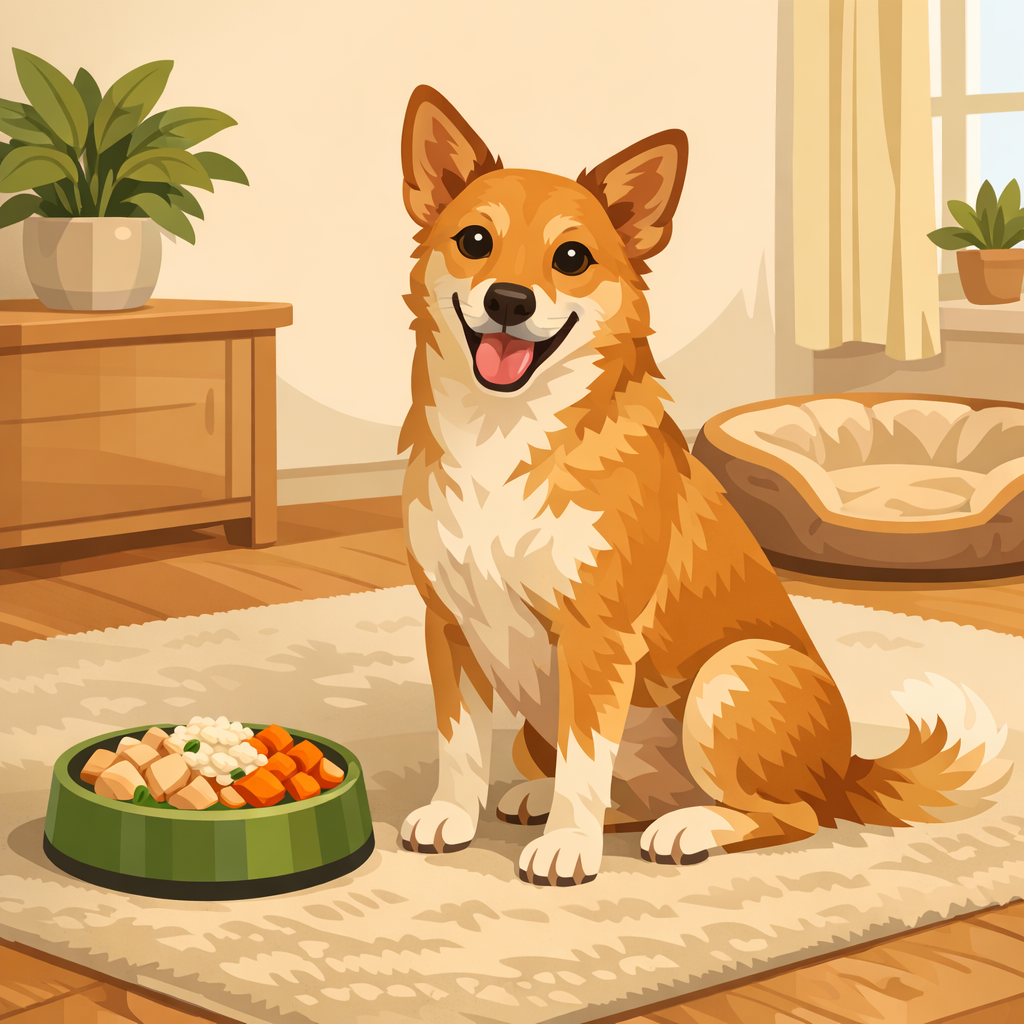
Understanding the Nutritional Needs of Indie Dogs
Choosing the right diet for your furry companion is one of the most important decisions you will make as a pet parent. When it comes to the best indie dog food in India, many owners are moving away from imported, expensive kibble and toward balanced, home-cooked meals that cater specifically to the needs of our hardy, native breeds. Whether you have just brought home a rescue puppy or are looking to improve the health of your senior companion, navigating the world of canine nutrition is much easier when you understand the basics. For more tips on nurturing your best friend, explore our comprehensive dog hub to ensure you’re providing the best care possible.
Indie dogs, or Indian Pariah dogs, have evolved over thousands of years to thrive in our specific climate. Unlike some highly specialized breeds with complex dietary sensitivities, Indies are incredibly resilient. However, they still require a balanced mix of proteins, healthy fats, and carbohydrates to maintain their high energy levels and glossy coats.
The Role of Home-Cooked Meals
At Pawsitive Hoomans, we advocate for fresh, minimally processed nutrition whenever possible. Veterinary experts recommend that a balanced home-cooked meal consists of approximately 40-50% high-quality protein (such as chicken, eggs, or lean mutton), 30% complex carbohydrates (like brown rice or sweet potatoes), and 20% fresh, dog-safe vegetables. Always avoid onions, garlic, grapes, and excessive salt, as these are toxic to dogs. For an exact daily portion tailored to your dog’s weight, use the free Dog Diet Calculator at pawsitivehoomans.com/dog-diet/.
The Pawsitive Hoomans Take
We believe that “best” doesn’t always mean “most expensive.” The best indie dog food in India is the food that is fresh, accessible, and suited to your specific dog’s activity level. Because Indie dogs are landrace breeds, they possess a unique gut microbiome that often handles local, seasonal foods better than highly processed synthetic diets. As pet parents, we should focus on the quality of ingredients rather than brand names. If you choose to go the commercial route, always read the label to ensure that the primary ingredient is a named protein source rather than a grain filler or ambiguous “meat meal.”
It is important to remember that every dog is an individual. An Indie living in a high-rise apartment in Bengaluru may have different caloric needs compared to a community dog living an active life outdoors in rural India. Research shows that steady weight management is the key to longevity. Consistency in feeding times and avoiding table scraps—which are often too oily or spicy—will go a long way in preventing obesity and pancreatitis.
⚖️ Track your pet’s weight and diet using our free Pet Passport Dashboard. Monitor trends before they become emergencies.
Transitioning to a Healthier Diet
If you are switching your dog from a standard kibble diet to a home-cooked or fresh-food diet, do it slowly over a period of 7 to 10 days. Start by mixing 25% of the new food with 75% of the old, gradually increasing the ratio of the new food. This slow transition allows your dog’s digestive system to adapt, preventing upset stomachs or diarrhea. If you notice any drastic changes in stool quality or energy, pause the transition and consult your veterinarian.
Hydration and Supplements
Water is the most overlooked component of dog nutrition. Always keep a bowl of clean, fresh water accessible at all times, especially in the hot Indian summer. While healthy dogs on a balanced diet usually do not require excessive supplementation, some dogs may benefit from omega-3 fatty acids for coat health or probiotics if they have had recent digestive issues. Always speak with your vet before adding any supplements to your dog’s bowl to ensure they are safe and necessary for your specific pet.
Not sure what your pet needs? Use our free tools — Emergency Triage Guide or Custom Diet Calculator.
Frequently Asked QuestionsCan I feed my Indie dog rice and curd every day?
Yes, plain boiled rice and fresh unsalted curd (dahi) are excellent, gut-friendly staples for most Indian Indie dogs, provided they are served as part of a balanced diet that includes a primary protein source. Curd provides essential probiotics that support healthy digestion, while rice serves as a gentle carbohydrate. However, it should not be the only thing they eat; ensure that chicken, fish, or eggs are added to provide the necessary amino acids for muscle maintenance.
Is it better to give home-cooked food or store-bought kibble?
Both options can be healthy, but many pet parents find that fresh, home-cooked food allows for better quality control and better hydration, which is highly beneficial for Indian Indies. If you choose store-bought food, look for high-protein options with no artificial preservatives, and always monitor your dog’s weight. If you’re unsure about the nutritional balance, you can easily track your dog’s health metrics and feeding history using our Pet Passport tool.
How many times a day should an adult Indie dog eat?
Most adult dogs thrive on two meals per day—one in the morning and one in the evening—to maintain stable energy levels and prevent hunger-related bile vomiting. Puppies under six months of age usually require three to four smaller meals daily to support their rapid growth. Regardless of age, ensure your feeding schedule is consistent to keep your dog’s metabolism regulated.
Disclaimer: We are passionate pet advocates, not veterinarians. The information provided here is for educational purposes only and should not replace professional medical advice. Always consult with a qualified veterinarian before making significant changes to your pet’s diet, especially if your dog has pre-existing health conditions.