
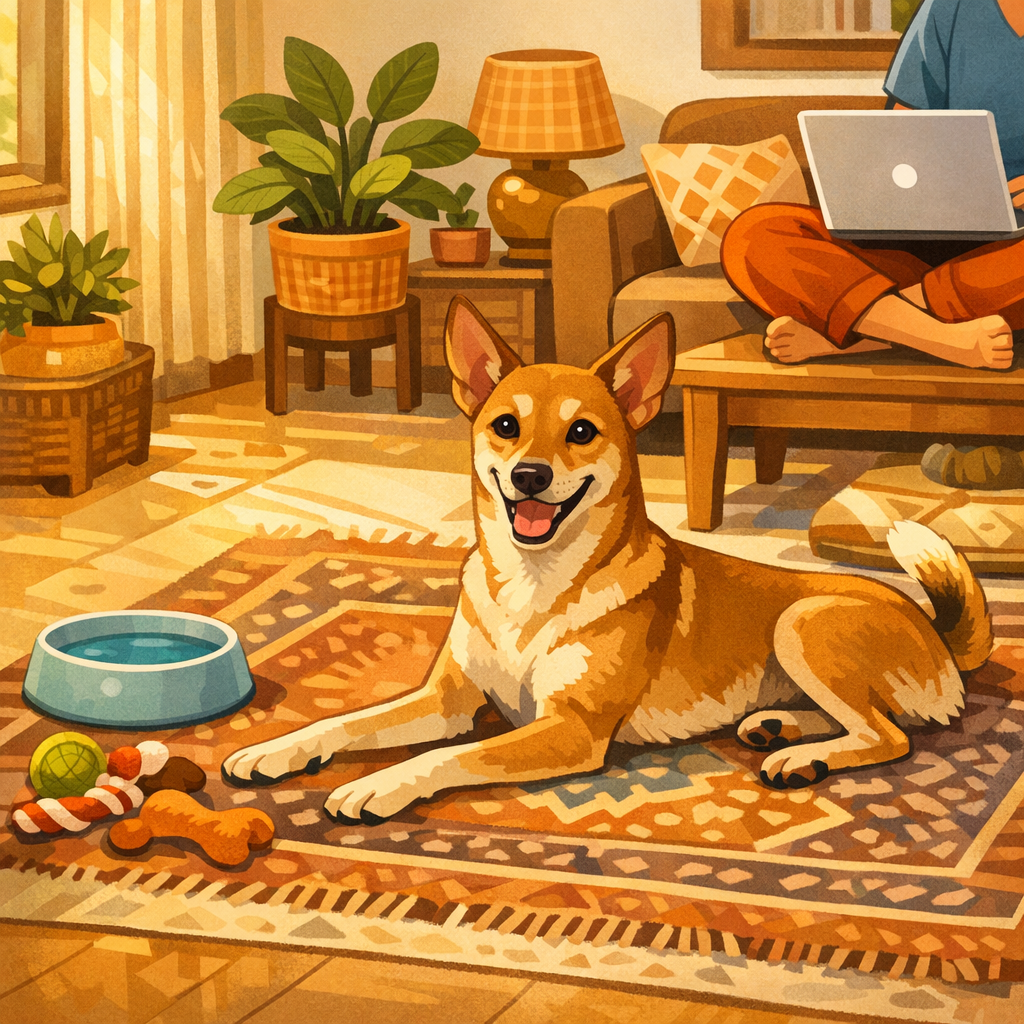
Understanding the Indie Dog in an Apartment
Welcoming an indie dog into your apartment is one of the most rewarding decisions you can make. Often called Indian Pariah dogs or community dogs, these intelligent, resilient, and deeply loyal companions are remarkably adaptable to urban living. As pet parents, we frequently see people underestimate the suitability of these incredible animals for apartment life, but with the right approach, they thrive beautifully in compact spaces. For those exploring the best ways to care for their companions, our dog hub provides a comprehensive roadmap to ensure your furry friend feels right at home in any living environment.
Indie dogs are essentially the original “local” dogs of India. They have evolved over centuries to handle the climate, the noise, and the rhythm of Indian streets. When brought into a home, this high level of adaptability makes them excellent candidates for apartment living. They aren’t prone to the same genetic health issues often seen in selectively bred, exotic dog breeds, and their grooming needs are minimal, which is a massive plus for busy apartment dwellers.
Setting Up Your Space for Success
Apartment living isn’t about the square footage; it’s about how you manage the vertical and horizontal space. Indie dogs are typically energetic, so the goal is to create an environment where they feel secure and mentally stimulated. Start by defining a ‘safe zone’—a corner with their bed, some safe toys, and access to fresh water. This gives them a place to retreat to when they need some downtime.
Vertical space matters too. While dogs don’t climb like cats, having a clear floor area is essential for indoor play. Avoid cluttering your living room. Since these dogs are highly alert and naturally curious, keeping windows clear allows them to observe the world outside, which provides significant mental enrichment during the day.
The Pawsitive Hoomans Take
At Pawsitive Hoomans, we believe that every dog deserves a loving home, regardless of the size of the apartment. Indies are not “outdoor-only” dogs; they are incredibly social creatures who crave human companionship. The notion that an Indian dog cannot adjust to a flat is simply a myth. In fact, their intelligence allows them to learn house rules, potty training, and crate training exceptionally fast. As long as you provide regular exercise, mental challenges, and consistent affection, they will be the perfect, quiet, and devoted companions for your urban home.
🐾 Keep a complete health record for your pet with our free Pet Passport. Track vaccinations, weight and behaviour in one place.
Exercise and Mental Enrichment
The biggest challenge for an apartment-dwelling indie is burning off that natural energy. A bored dog is often a destructive dog. Research shows that physical exercise is only half the battle; mental stimulation is equally important. Engage your indie with scent games, puzzle toys, and positive reinforcement training sessions right inside your living room. For an exact daily portion of treats and meals tailored to your dog’s weight, use the free Dog Diet Calculator at pawsitivehoomans.com/dog-diet/.
Walks are the highlight of your indie’s day. Instead of just a quick potty break, treat these outings as ‘sniffari’ sessions. Let them explore, sniff, and experience the environment. This helps lower cortisol levels and keeps them calm when they return to the apartment. If you have a busy work schedule, consider hiring a professional pet walker or using daycare services to break up the long hours.
Training: The Positive Reinforcement Way
Indie dogs are known for their sharp minds. They learn best through positive reinforcement—using treats, praise, and play to encourage desired behaviors. Avoid any form of punishment or dominance-based training; it doesn’t work and can damage the bond you are building. Focus on teaching basic commands like ‘stay’, ‘leave it’, and ‘come’. These are not just tricks; they are life skills that ensure your dog stays safe both inside and outside the apartment complex.
Building a Routine
Dogs thrive on predictability. Establishing a routine helps your indie understand the flow of the household. Consistent times for feeding, walks, and rest help reduce anxiety. As pet parents, we recommend sticking to a schedule for at least the first few months. This consistency is the secret to a happy, well-adjusted indie in an urban apartment.
Conclusion
Raising an indie dog in an apartment is a beautiful journey of mutual learning. By respecting their needs and showering them with positive reinforcement, you will find that these resilient, intelligent, and loving dogs make the best roommates you could ever ask for. Remember to stay consistent, be patient, and prioritize their health by using tools like our Pet Passport to ensure their vaccinations and check-ups are always up to date. Always consult with your local veterinarian for personalized advice regarding your dog’s specific health needs.
Not sure what your pet needs? Use our free tools — Emergency Triage Guide or Custom Diet Calculator.
Frequently Asked Questions
Is it cruel to keep an indie dog in a small apartment?
No, it is not cruel, provided the dog receives adequate daily exercise and mental stimulation. Indie dogs are highly adaptable and often prefer being close to their humans in a small space over being left alone in a large garden.
How much exercise does an indie dog need daily?
An average adult indie dog needs at least 45 to 60 minutes of active walking or play time spread over two or three sessions per day. This can include brisk walks, fetch games, or scent-based enrichment activities.
Are indie dogs easy to potty train in a flat?
Yes, indie dogs are exceptionally intelligent and can usually be potty trained within two to four weeks with consistent, positive reinforcement training. Establish a strict schedule for outdoor trips and reward them immediately when they relieve themselves outside.
How do I handle indie dog barking in an apartment?
Barking is usually a sign of boredom, anxiety, or territorial awareness; address it by increasing daily mental enrichment and ensuring they have a secure, comfortable space to rest. If the behavior persists despite training, consult a certified force-free trainer to rule out separation anxiety.
Disclaimer: The information provided in this article is for educational purposes only and does not constitute veterinary advice. Always consult with a qualified veterinarian regarding your pet’s medical needs, behavior, or nutrition.