
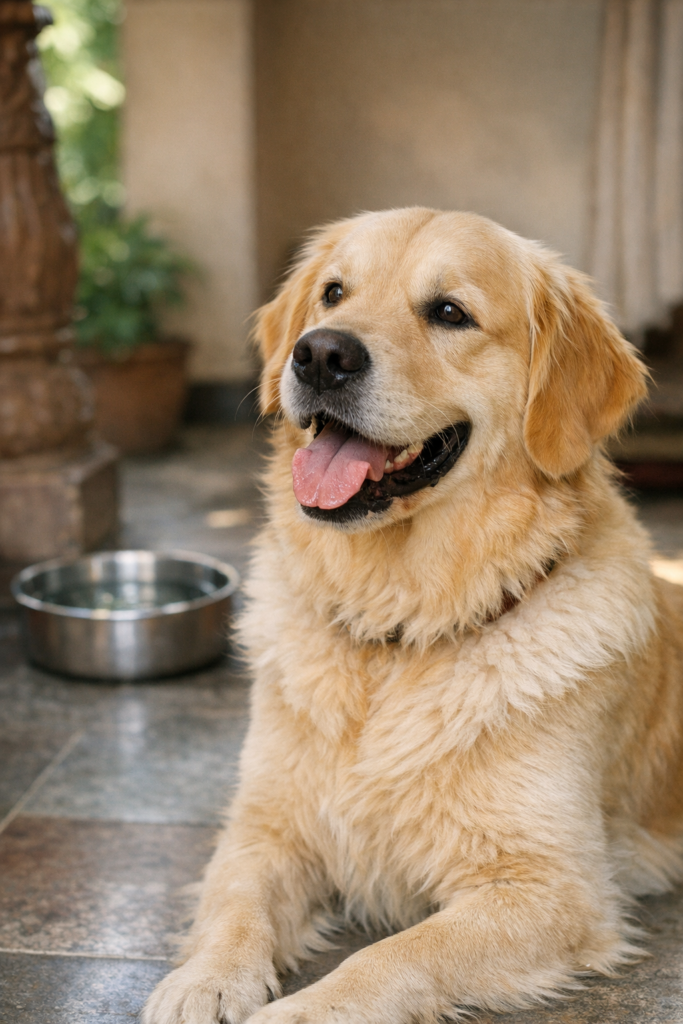
Understanding Heat Stroke in Dogs in India
As pet parents in India, we know that the summer months bring a unique set of challenges for our furry companions. Our tropical climate, characterized by intense humidity and scorching temperatures, makes heat stroke in dogs in India a serious and potentially life-threatening condition that every owner should be aware of. Unlike humans, dogs cannot sweat through their skin to cool down; they rely almost exclusively on panting and releasing heat through their paw pads. When the ambient temperature rises faster than their bodies can regulate, their core temperature climbs to dangerous levels, leading to cellular damage and organ failure. Whether you are a new pet parent or a long-time owner, visiting our dog care resources is a great way to stay updated on how to keep your canine friend thriving in all seasons.
Heat stroke, or hyperthermia, is not just about a dog feeling ‘hot’; it is a medical emergency. In India, where pavement temperatures can exceed 50°C during the day, a short walk at the wrong time can be devastating. Understanding the early warning signs—such as excessive, frantic panting, bright red gums, thick sticky saliva, and lethargy—is the first line of defense. As pet parents, our goal is always proactive prevention. By adjusting our routines and creating cooler environments, we can ensure our dogs enjoy the summer safely.
The Pawsitive Hoomans Take
At Pawsitive Hoomans, we believe that education is the most powerful tool in your pet care arsenal. When it comes to the climate in India, we advocate for a ‘Safety First’ philosophy. This means that if it feels uncomfortable for you to walk barefoot on the balcony or road, it is absolutely too hot for your dog. We strongly discourage the use of forced cooling measures like ice baths, which can actually cause shock or trap heat in the core. Instead, we advocate for gentle, gradual cooling and immediate veterinary consultation. Remember, force-free care is about anticipating your dog’s needs before they reach a point of distress. By keeping a close watch on your dog’s hydration levels and behavior, you act as their primary protector against the harsh summer heat.
🏥 Is your pet showing these symptoms? Log them instantly in our free Triage Engine inside Pet Passport to get immediate guidance.
Identifying the Early Warning Signs
The transition from overheating to heat stroke can happen within minutes. Keep a sharp eye out for behavior that is out of character. If your dog suddenly stops moving during a walk, seems disoriented, or struggles to stand, these are significant red flags. Research shows that brachycephalic breeds—those with flat faces like Pugs, Bulldogs, and Shih Tzus—are at a much higher risk of heat-related illness because their airways are shorter and less efficient at cooling the body. Always observe your pet for excessive drooling, rapid heart rate, and vomiting, which indicate that their internal cooling systems are failing.
Practical Prevention Strategies for Indian Summers
Prevention is always superior to a trip to the emergency room. We recommend shifting exercise routines to the early morning hours, before 7:00 AM, or late in the evening once the sun has completely set. During the heat of the day, keep your home environment cool using fans or air conditioning. Ensure fresh, cool water is available at multiple points in the house. For an exact daily portion of hydration and food tailored to your dog’s weight, use the free Dog Diet Calculator at pawsitivehoomans.com/dog-diet/.
Furthermore, never, under any circumstances, leave your dog in a parked car. Even with the windows cracked, the interior temperature of a car can reach life-threatening levels in less than ten minutes. In India, where the sun is particularly intense, a car essentially turns into an oven. Always carry a portable water bowl during outings and prioritize shaded routes. If you see signs of discomfort, stop, move to a cool, ventilated area, and offer water, but never force them to drink if they seem unconscious or lethargic.
Not sure what your pet needs? Use our free tools — Emergency Triage Guide or Custom Diet Calculator.
Frequently Asked Questions
How do I know if my dog has heat stroke in this Indian heat?
If your dog is panting excessively, has bright red or purple gums, is vomiting, or seems unsteady on their feet, they are likely suffering from heat stroke and require immediate help. Other signs include thick, sticky saliva and a body temperature that feels noticeably hotter than normal to the touch. If you suspect these symptoms, move your dog to a cool, shaded area with good airflow immediately.
Can I put ice on my dog if they are overheating?
No, you should not use ice or freezing water directly on your dog’s body as it can cause blood vessels to constrict and actually trap heat inside the core, leading to further distress. Instead, use cool—not freezing—water to dampen their paw pads, belly, and inner thighs, and use a fan to encourage evaporation. Always consult a veterinarian after performing any emergency first aid to ensure your dog has not suffered internal organ damage.
Is it safe to walk my dog during the day if there is a breeze?
No, you should avoid walking your dog during the peak heat hours (11:00 AM to 5:00 PM), even if there is a breeze, because the ground temperature can burn your dog’s paw pads and the radiant heat can overwhelm their system quickly. Always perform the ‘five-second test’: place the back of your hand on the pavement for five seconds. If it is too hot for you, it is definitely too hot for your dog’s paws.
Conclusion
Protecting your dog from the intense Indian climate is a responsibility we share as pet parents. By staying observant, adjusting our daily schedules, and acting quickly if we notice signs of distress, we can make the summer months a safe time for everyone. Remember to keep a digital record of your pet’s health status, including their typical energy levels and any previous medical concerns, by setting up your Pet Passport to ensure you have vital information ready whenever you need it. Always consult with a trusted veterinarian to create a personalized safety plan for your dog, especially during the summer months.
Disclaimer: We are passionate pet care advocates and providers of information, not veterinarians. The advice shared here is for educational purposes and should not replace professional medical diagnosis or treatment. Always consult with a qualified veterinarian regarding your pet’s health, diet, and emergency medical needs.