
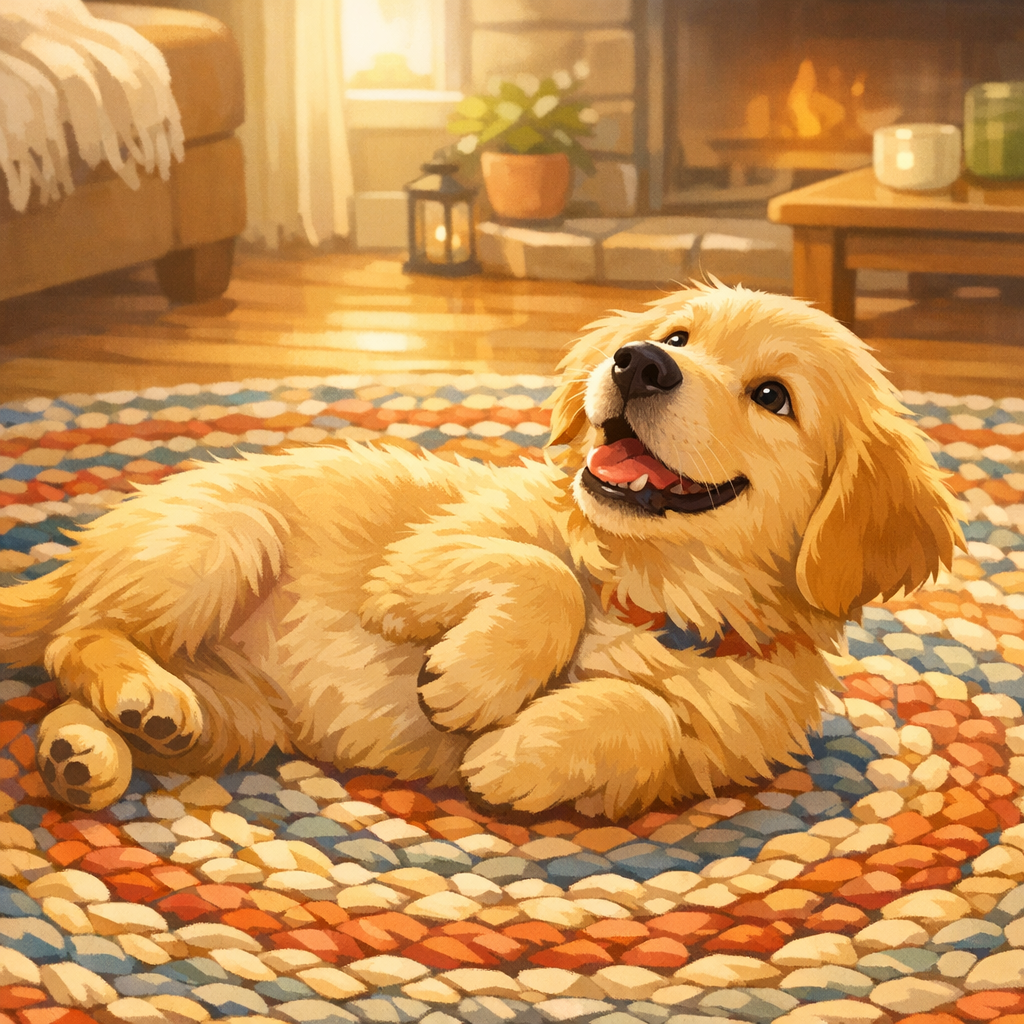
Mastering the Lay on Your Side Cue
Teaching your dog to lay on their side is more than just a party trick; it is a vital life skill. Whether you are prepping for a routine grooming session, a veterinary check-up, or just want to expand your training repertoire, learning how to teach your dog to lay on their side is a rewarding process that strengthens the bond between you and your companion. At Pawsitive Hoomans, we prioritize force-free methods that ensure your dog feels safe, confident, and eager to participate in every training session.
Many owners wonder why they should bother with this specific position. Beyond the “cool trick” factor, having a dog that is comfortable lying on their side allows for easier access to their paws, belly, and sides during grooming. It also prepares them for medical exams where a vet may need to listen to their heart or check for injuries. By teaching this voluntarily using treats and gentle luring, you turn a potentially stressful clinical situation into a familiar, reinforced behavior.
The Foundations of Success
Before diving into the mechanics, ensure you have a stash of high-value, easy-to-consume treats. Since this training involves many small movements, crumbly, freeze-dried treats often work best. You will also need a non-slip, padded surface. If your floor is hardwood or tile, start on a yoga mat, a thick rug, or a bunched-up blanket. Providing a soft space helps the dog feel secure, especially when they are transitioning from lying on their belly to settling onto their hip.
The Step-by-Step Luring Process
To begin, start with your dog in a standard “down” position. The first objective is to get them to shift their weight onto one hip. Take a treat and place it near your dog’s nose, then slowly guide it toward their shoulder and away from their head. This motion naturally encourages the dog to shift their weight and flip their back hip. As soon as they shift their weight, mark the behavior with your chosen marker word like “Yes!” or a clicker, then deliver the treat.
Once your dog is comfortable shifting their hip, the next hurdle is tucking the elbow. Many dogs will keep their front elbow out to act as a “kickstand” for their body. To encourage them to collapse that elbow, gently lift their head up and back toward their spine while they are in the side-lying position. This shift in head position encourages the body to follow suit, allowing the dog to rest their shoulder completely on the floor. Always move slowly; if your dog seems hesitant or pulls away, stop, reset, and go back to a simpler step. Remember, force-free training relies on the dog’s willingness to engage.
Building Duration and Adding Verbal Cues
After your dog is consistently tucking their elbow, focus on duration. Hold the treat in front of their nose while they are in the side-lying position, pulling it away and bringing it back to keep them settled. If they start to get up, simply wait for them to re-settle or gently lure them back down without frustration. Once they are comfortably holding the pose for a few seconds, you can introduce your verbal cue, such as “On your side.” Say the cue clearly before you begin the lure, creating a strong association between the words and the physical movement.
The Pawsitive Hoomans Take
At Pawsitive Hoomans, we believe that training is a conversation, not a command. When teaching a position as vulnerable as lying on the side, it is crucial to recognize your dog’s body language. Some dogs may find this position intimidating because it exposes their underside. If your dog is struggling, consider using a rolled-up blanket that creates a slight incline. This “dip” in the middle provides a physical guide for their body to rest into, making the transition significantly easier for nervous or physically stiff dogs. Never force a dog into this position; by using patience and positive reinforcement, you ensure that the training experience remains a positive one. If your dog prefers to rest their paw on your hand for stability while they learn, allow it! Adapting your training method to suit your dog’s individual comfort level is the hallmark of a compassionate, effective handler.
Consistency and Generalization
Once your dog masters the move on one side, repeat the process for the other side. Not all dogs are naturally ambidextrous with their hips, and some may have a “preferred” side. Don’t rush; treat each side as a new skill. Once they understand the mechanics, start practicing in different environments. What they learn on your living room rug should eventually be practiced on a portable mat that you can take to the vet. By generalizing the behavior, you ensure that when the time comes for a medical exam, your dog will have a solid, rehearsed, and stress-free response.
Finally, always incorporate a clear release cue, like “Free” or “All done,” to let your dog know when the training session or the specific pose has ended. This provides predictability and builds trust. Through patience, a soft surface, and plenty of rewards, you will find that your dog quickly transitions from a wary learner to a professional side-layer, ready for any grooming or vet visit that comes their way.