
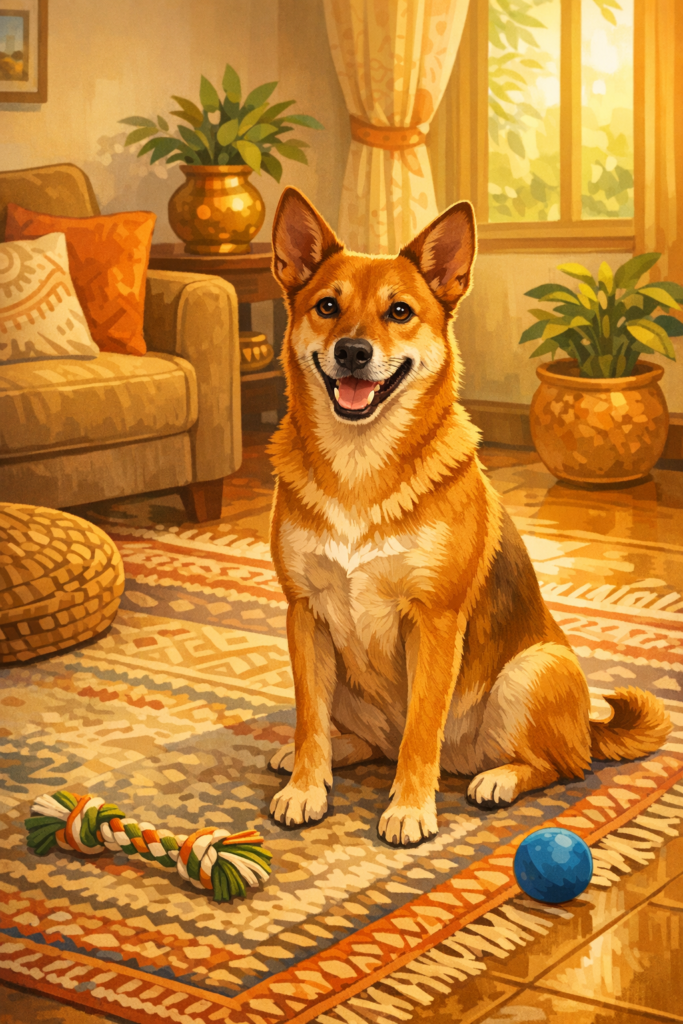
The Essence of the Indie Dog Temperament
When we talk about the incredible world of our canine companions, few breeds capture the heart quite like the Indian Pariah, or what we affectionately call the Indie dog. Understanding the indie dog temperament is essential for anyone who has either adopted one of these resilient souls or is considering bringing one into their family. At Pawsitive Hoomans, we have observed that these dogs are not just street-smart survivors; they are deeply loyal, highly intelligent, and possess a level of emotional awareness that is truly rare. If you are just starting your journey as a new guardian, our comprehensive dog care guide offers a wealth of information to help you navigate the basics of companionship.
Many pet parents often ask what makes them different from pedigreed breeds. The answer lies in thousands of years of natural selection. These dogs have evolved to thrive in the diverse Indian climate, making them exceptionally hardy and less prone to the genetic health issues that plague many ‘popular’ purebreds. Their temperament is characterized by a mix of independent thinking and a profound, quiet devotion to their humans. Unlike some breeds that were bred specifically for tasks, the Indie is a generalist—an observant, cautious, and incredibly affectionate family member.
Social Intelligence and Bonding
One of the most striking aspects of the indie dog temperament is their social intelligence. They are keen observers of body language. Because they have lived in close proximity to humans for centuries, they have developed an uncanny ability to read a person’s mood. They know when you need space and when you need a comforting nudge. This makes them excellent companions for families, provided the household understands the need for patience during the initial transition period. Building trust with an Indie is a journey of small, positive reinforcements, never through dominance or fear-based training.
We advocate strictly for force-free training methods. When you use treats, praise, and patience, the Indie dog’s natural desire to please their “pack” shines through. They are not ‘stubborn’; they are simply cautious. Once they understand that your home is a safe space, their playful and slightly mischievous side will emerge, often bringing joy and laughter to every room they enter.
The Pawsitive Hoomans Take
At Pawsitive Hoomans, we firmly believe that the Indie dog is the ultimate companion for the Indian climate. Their temperament reflects the adaptability required to live alongside humans in our bustling, vibrant culture. They are low-maintenance regarding grooming and health, but high-reward regarding companionship. We always encourage prospective adopters to look toward local shelters and street rescues rather than supporting commercial breeding. Every Indie dog adopted is a life saved and a legacy of Indian heritage preserved.
🐾 Keep a complete health record for your pet with our free Pet Passport. Track vaccinations, weight and behaviour in one place.
Navigating the Transition: Patience is Key
Bringing an Indie dog home—whether they are a puppy or an adult—requires a period of decompression. These dogs have often spent time on the streets where every sound and movement meant something. In your home, they may initially seem shy or ‘aloof.’ This is not a lack of affection; it is a survival mechanism. Give them a ‘safe zone’—a corner with a bed where they can retreat if they feel overwhelmed. For an exact daily nutrition plan that helps keep their energy levels stable during this transition, use the free Dog Diet Calculator at pawsitivehoomans.com/dog-diet/.
Respecting their space is the fastest way to earn their trust. We recommend a slow introduction to new environments, sounds, and family members. As they realize they don’t have to fight for their next meal or worry about territory, you will see a transformation from a cautious observer to a dedicated, snuggly shadow.
Not sure what your pet needs? Use our free tools — Emergency Triage Guide or Custom Diet Calculator.
Conclusion: Embracing the Indie Spirit
Choosing to welcome an Indie dog into your home is a rewarding experience that changes the way you view pets entirely. Their temperament is a testament to the beauty of nature and the resilience of life. By focusing on positive reinforcement and providing a secure environment, you unlock a bond that is truly unbreakable. If you want to stay on top of your new companion’s wellness journey, remember to keep their records updated in your Pet Passport to ensure they receive the best possible care throughout their life.
Frequently Asked Questions
Are Indie dogs good with children at home?
Yes, Indie dogs are generally excellent with children because they are naturally gentle, alert, and protective of their family once a bond is formed. Because they are observant and cautious, they tend to be very careful around small children. However, it is essential to teach children to respect the dog’s space and boundaries to ensure a harmonious relationship for both.
Do Indie dogs need a lot of exercise every day?
Yes, most healthy adult Indie dogs require at least 45 to 60 minutes of physical activity daily to stay mentally and physically fit. This can be a mix of brisk walking, play sessions, or scent work games. Because they are highly intelligent, mental stimulation like puzzle toys is just as important as physical exercise to keep them happy and prevent destructive behaviors due to boredom.
Can I keep an Indie dog in a small apartment?
Yes, Indie dogs thrive in apartments provided they get their daily walks and enough human interaction. Their adaptability is one of their best traits, and they are usually very quiet and calm indoors once they have had their energy needs met outside. Focus on providing them with a comfortable, fixed spot to sleep and consistent meal times to help them settle into the apartment lifestyle.
Disclaimer: We are passionate pet care advocates, not veterinarians. The information provided here is for educational purposes only and should not replace professional medical advice. Always consult with a qualified veterinarian regarding your pet’s health, diet, or behavioral concerns.