
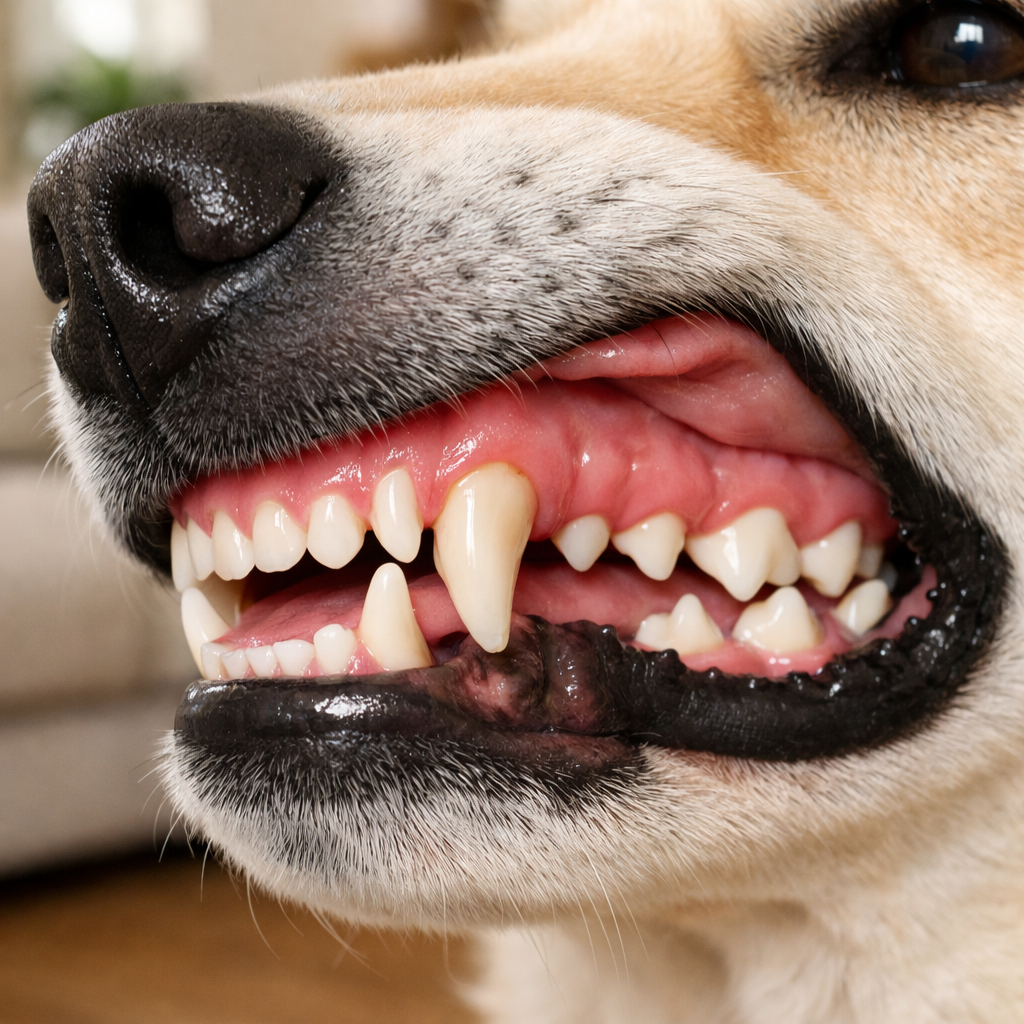
Understanding Pale Gums in Dogs: A Critical Health Indicator
As dedicated pet parents, we often focus on our furry companions’ appetites, energy levels, and playfulness, but one of the most vital health checks happens inside the mouth. Recognizing the signs of pale gums in dogs is a fundamental skill that can help you identify underlying health issues early. In the context of canine wellness, the color of your dog’s gums acts as a reliable window into their circulatory and respiratory health. If you are looking for more ways to keep your canine companion in peak condition, explore our comprehensive dog hub for tips on grooming, nutrition, and daily care routines.
Normally, a healthy dog’s gums should appear a vibrant, bubblegum pink. When you press your finger gently against their gum, it should turn white for a split second before returning to that healthy pink hue within one to two seconds. If the gums remain pale, white, or even greyish, it serves as a red flag that something is affecting your dog’s blood flow, red blood cell count, or oxygenation levels. It is essential to remember that while we can monitor these physical signs at home, we are not medical professionals. Always seek the advice of a qualified veterinarian when you notice a significant change in your dog’s gum color, as this is often a symptom of an underlying condition rather than a disease in itself.
Why Do Dog Gums Turn Pale?
Research shows that pale gums, or mucous membrane pallor, can stem from several physiological issues. In India, where we deal with specific environmental challenges like tick-borne diseases and heat-related stress, understanding these causes becomes even more critical. One common culprit is anemia, a condition where the dog does not have enough healthy red blood cells or hemoglobin to carry oxygen to tissues. This can be caused by chronic blood loss, parasitic infections like ticks, or internal bleeding.
Another major reason for pale gums is shock or a sudden drop in blood pressure. When a dog is in severe pain, suffering from a major trauma, or experiencing heatstroke, the body may redirect blood flow away from the peripheral tissues, such as the gums, to support the vital organs like the heart and brain. Additionally, severe dehydration can impact blood volume, leading to visible changes in gum appearance. Because the causes can range from mild issues to life-threatening emergencies, never attempt to diagnose or treat these symptoms yourself at home.
The Pawsitive Hoomans Take
At Pawsitive Hoomans, we believe that an observant pet parent is the best defense against health complications. We advocate for a “proactive over reactive” approach. We always encourage positive reinforcement and gentle handling when checking your pet’s health. Forcing a dog to open its mouth when it is already feeling unwell can increase their stress levels, which could worsen a state of shock. Instead, make these physical checks a part of your daily bonding routine—like a “health cuddle”—so your dog is calm and comfortable with you touching their muzzle and checking their teeth.
When it comes to diet, ensuring your pet gets high-quality, balanced nutrition can help prevent issues like nutritional anemia, but it will not replace the need for veterinary intervention if you notice physical symptoms. For an exact daily portion tailored to your dog’s weight, use the free Dog Diet Calculator at pawsitivehoomans.com/dog-diet/.
🏥 Is your pet showing these symptoms? Log them instantly in our free Triage Engine inside Pet Passport to get immediate guidance.
When to See a Vet Immediately
If you notice your dog’s gums are pale along with other signs such as lethargy, collapse, heavy panting, or cool extremities, treat this as a medical emergency. Time is often of the essence when it comes to circulatory issues. Veterinary experts recommend bringing your dog in for a professional examination to determine if blood work or imaging is required. Never administer human medications, as these can be toxic or mask symptoms that a veterinarian needs to see for an accurate diagnosis.
Not sure what your pet needs? Use our free tools — Emergency Triage Guide or Custom Diet Calculator.
Frequently Asked Questions
Is it normal for my dog to have pale gums after a long walk in the sun?
No, pale gums after exercise in the sun are a major warning sign of potential heat exhaustion or heatstroke and require immediate cooling and veterinary attention. Heat stress causes the body to redistribute blood, leaving gums looking white or pale; ensure your dog is in a cool, shaded area and call your vet immediately if they do not regain their pink color within minutes of resting.
Can tick fever cause my dog’s gums to become pale?
Yes, tick fever often causes anemia, which frequently leads to pale or white gums in dogs across India. Since ticks transmit parasites that destroy red blood cells, this condition can cause your dog to lose color in their gums very rapidly, making it a critical reason to see a veterinarian for blood tests and treatment.
How can I check my dog’s gums at home without stressing them out?
You can check your dog’s gums by gently lifting their upper lip while talking in a calm, soothing voice during a quiet moment of bonding. Practice this when your dog is healthy and relaxed so they become comfortable with the sensation, and always stop if they show any signs of fear or resistance.
Consistent monitoring is the best way to catch changes in your dog’s health before they become severe. To keep all your pet’s observations, medical history, and weight records in one secure location, we recommend tracking your pet’s wellness trends using our Pet Passport platform.
Disclaimer: This content is for informational purposes only and does not constitute veterinary or medical advice. Always consult with a qualified veterinarian regarding your pet’s health, diet, or any changes in their physical condition. Never delay seeking professional medical attention based on information read here.