
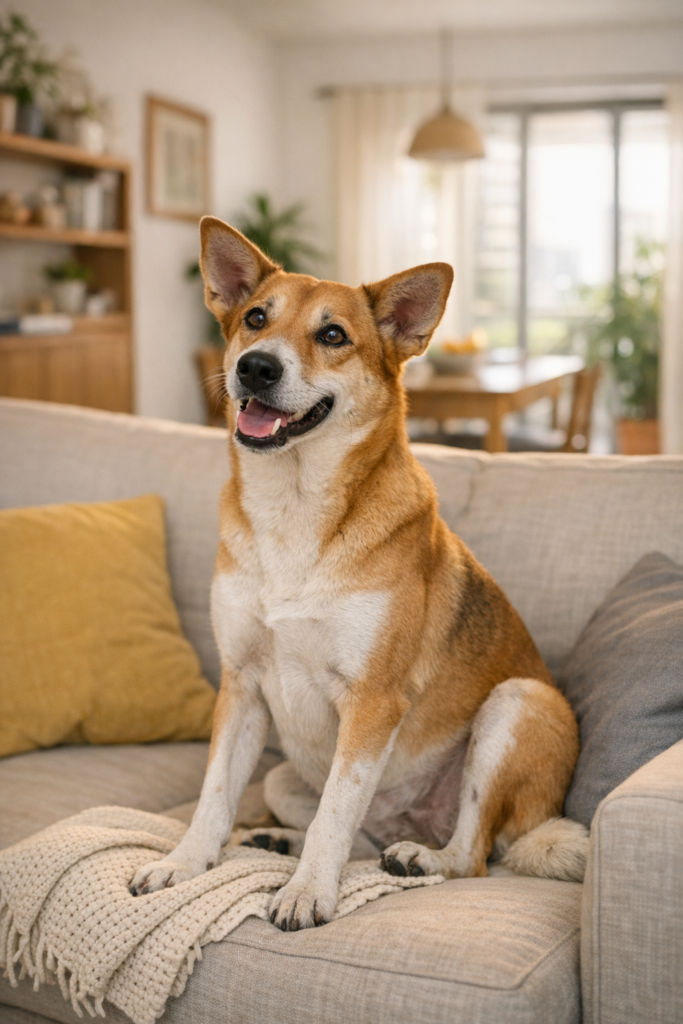
The Joy of Rescuing an Indie
Choosing to welcome a companion into your home is a life-changing decision, and when you decide to adopt a street dog in India, you aren’t just getting a pet—you are saving a life. Indigenous dogs, affectionately known as ‘Indies,’ are incredibly resilient, intelligent, and perfectly suited to the Indian climate. For those embarking on this journey, exploring our comprehensive dog hub is the first step toward understanding the unique needs and rewarding nature of these wonderful animals. By choosing to adopt rather than shop, you are taking a stand against the cycle of unethical breeding and giving a deserving soul a chance at a loving, permanent home.
The Initial Steps of Adoption
The process of bringing home an Indie from the street or a shelter requires patience and preparation. First, identify whether you want to adopt from a local animal shelter, a foster network, or if you are considering bringing in a pup from your own neighborhood that you’ve been feeding. It is crucial to remember that street dogs often need a period of decompression. Unlike puppies from breeders, a dog that has spent time on the street may have experienced trauma or simply needs time to adjust to the rules of an indoor environment.
As pet parents, we advocate for a ‘slow and steady’ approach. When you first bring your rescue home, set up a quiet, safe space where they can retreat if they feel overwhelmed. Avoid rushing introductions to other family members or pets. Remember, your new companion has survived on the streets; they possess incredible street smarts, but living in a house with human boundaries is a skill they will need your help to master.
Health and Wellness Considerations
Before bringing your new family member home, schedule a thorough check-up with a qualified veterinarian. Street dogs should be tested for common issues such as tick fever, anemia, and intestinal parasites. Veterinary experts recommend a full vaccination schedule and, crucially, sterilization (spay/neuter). Spaying or neutering your rescued Indie not only prevents unwanted litters but also reduces the risk of various health conditions and improves overall behavior. For an exact daily portion tailored to your dog’s weight to ensure they maintain a healthy body condition, use the free Dog Diet Calculator at pawsitivehoomans.com/dog-diet/.
The Pawsitive Hoomans Take
At Pawsitive Hoomans, we believe that Indies are the gold standard of canine companions in India. Their genetics have been shaped by centuries of survival, making them arguably the healthiest and most ‘low-maintenance’ dogs you can find. However, ‘low-maintenance’ doesn’t mean ‘no-maintenance.’ They require the same love, high-quality nutrition, and positive reinforcement training as any other breed. We strongly oppose the notion that street dogs are ‘aggressive’ or ‘untrainable.’ With force-free training and consistent social exposure, an Indie can become the most loyal and well-mannered companion you will ever have. When you adopt, you aren’t just changing their world; you are enriching your own in ways you never imagined.
🐾 Keep a complete health record for your pet with our free Pet Passport. Track vaccinations, weight and behaviour in one place.
Not sure what your pet needs? Use our free tools — Emergency Triage Guide or Custom Diet Calculator.
Socializing Your Rescue
Socialization is key to a happy home life. Many people worry that a street dog will be ‘too wild.’ In reality, most Indies are highly social with people once they establish a bond of trust. Start by taking your dog on short, quiet walks. Let them observe the world at their own pace. If they show fear, do not force them into uncomfortable situations. Use positive reinforcement—small treats, praise, and gentle encouragement—to build their confidence. If you notice signs of severe anxiety or reactivity, seek the help of a certified, force-free animal behaviorist who understands the unique background of Indian street dogs.
Conclusion: The Beginning of a Beautiful Journey
Adopting an Indie is a powerful statement of compassion. While the road to settling in might have its hurdles, the bond you build with a dog who finally feels ‘safe’ is incomparable. Always remember that your journey should be supported by professional guidance for all medical needs. Ensure you keep your new friend healthy and organized by tracking their milestones in our digital pet passport system, which keeps all their records in one place as they grow into your home. Your decision to adopt is the greatest gift a dog could ever receive.
Frequently Asked Questions
Is it safe to adopt an adult street dog instead of a puppy?
Yes, adopting an adult street dog is often safer and more predictable because their personality, size, and temperament are already fully developed. Unlike puppies, whose energy levels and adult size can be unpredictable, an adult dog allows you to know exactly who you are bringing into your home, and they are frequently already house-trained or have a clearer understanding of basic daily routines.
How long does it take for a street dog to settle into a house?
Most rescue dogs take approximately three to six months to fully settle into a new home, following the ‘3-3-3 rule’—three days to decompress, three weeks to learn your routine, and three months to feel truly ‘at home.’ Every dog is an individual, so some may take less time while others, especially those who were on the street for a long time, may need a little extra patience and consistency.
Can an Indie dog live comfortably in an apartment?
Yes, Indie dogs adapt remarkably well to apartment living as long as they receive sufficient daily physical exercise and mental stimulation. Because they are highly intelligent, they thrive when given puzzle toys, scent games, and regular walks to explore their surroundings, making them excellent companions for apartment-dwelling families who are committed to their active needs.
Disclaimer: The content provided on Pawsitive Hoomans is for educational purposes only and is not a substitute for professional veterinary advice, diagnosis, or treatment. Always consult with a qualified veterinarian regarding your pet’s health or any medical decisions.