
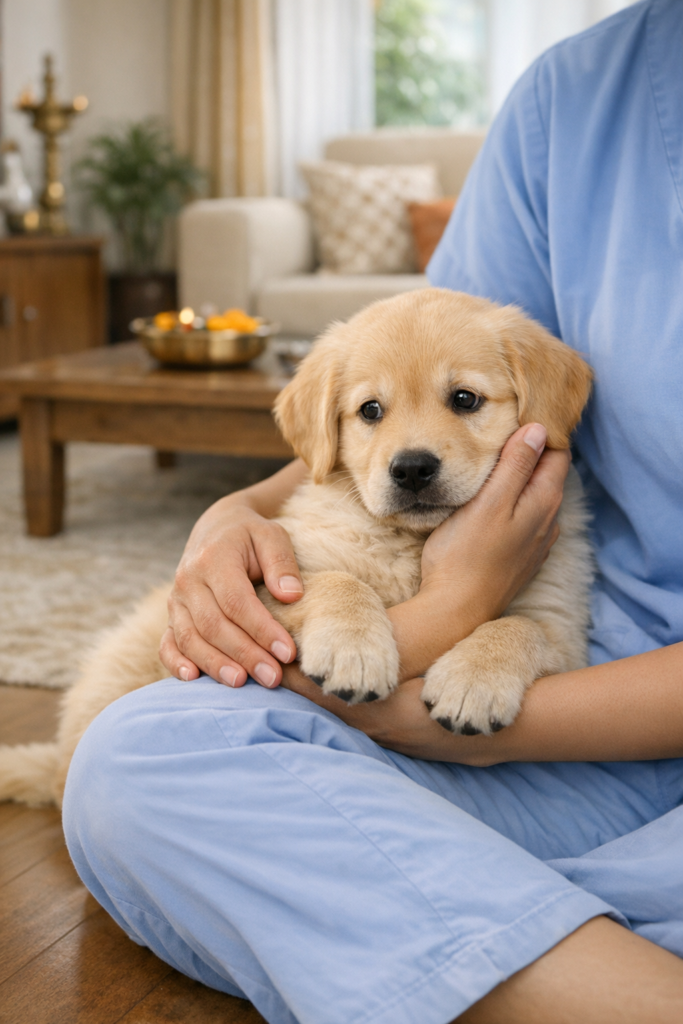
Understanding Canine Parvovirus (Parvo) in India
As pet parents in India, we all want the best for our new furry family members. Bringing home a puppy is an exciting milestone, but it also comes with the responsibility of safeguarding them against common threats. One of the most severe challenges we face in our local climate is canine parvo in India. Parvovirus is a highly contagious viral illness that affects the gastrointestinal tract of puppies and unvaccinated dogs. Because the virus is incredibly resilient in our environment, understanding how it spreads and how to prevent it is essential for every dog owner who frequently visits our dog-hub/ to learn about safe puppy socialization.
Research shows that the virus can survive in soil, on surfaces, and even on our shoes for months. In India, where street dogs and urban environments are ubiquitous, the risk of exposure is higher than in some other parts of the world. The virus attacks the rapidly dividing cells in a puppy’s body, primarily the gut lining, which leads to severe dehydration, nutrient loss, and a compromised immune system.
Recognizing the Early Warning Signs
Early intervention is the key to improving the prognosis for any puppy suffering from this virus. As pet parents, we need to be vigilant. Symptoms typically appear within 3 to 7 days of exposure. Keep a close eye out for lethargy, loss of appetite, and sudden vomiting. The most classic sign is severe, foul-smelling, bloody diarrhea. Because puppies have small bodies and limited reserves, they can become dehydrated at an alarming rate. If you notice any of these signs, do not wait. Immediate medical attention is vital. For an exact record of these symptoms to show your vet, use our free pet-passport/ to document changes in your puppy’s behavior and health.
The Pawsitive Hoomans Take
At Pawsitive Hoomans, we believe that education is the strongest form of protection. When it comes to canine parvo in India, we strongly advocate for proactive prevention rather than reactive treatment. We understand that the local environment can be daunting, but with the right precautions—such as maintaining strict vaccination schedules and limiting exposure to high-risk areas until a vet gives the “all-clear”—you can keep your puppy safe. We also emphasize that force-free handling and stress-free environments are crucial; a puppy with a healthy, stress-free immune system is always better equipped to fight off potential infections.
🏥 Is your pet showing these symptoms? Log them instantly in our free Triage Engine inside Pet Passport to get immediate guidance.
Vaccination: Your Strongest Shield
Veterinary experts recommend a series of core vaccinations starting when the puppy is around 6 to 8 weeks old, followed by boosters every 3 to 4 weeks until they are about 16 to 20 weeks old. In India, because the viral load in the environment can be high, vets often recommend finishing the full series before taking your puppy for walks in public parks or areas where street dogs congregate. Please remember that a single shot is not enough; the puppy must complete the entire series to be considered fully protected.
Environmental Hygiene and Safety
Parvo is famously difficult to kill. Common household cleaners may not be effective. If you are dealing with a suspected case, your home needs to be disinfected using a bleach solution (one part bleach to 30 parts water) on non-porous surfaces. Most importantly, keep your puppy away from any area where an infected dog may have been. If you have multiple dogs, isolate the puppy immediately and practice scrupulous hand washing and shoe hygiene before interacting with your other pets.
Nourishment and Recovery
If your puppy is diagnosed with parvo, recovery is a long road that requires patience and professional veterinary care. While the vet will manage the medical aspects like IV fluids and anti-nausea medications, your role is to provide a stress-free environment once they are home. Focus on hydration and easy-to-digest, vet-recommended recovery diets. Never attempt to treat parvo at home with over-the-counter medications, as this can be life-threatening.
Not sure what your pet needs? Use our free tools — Emergency Triage Guide or Custom Diet Calculator.
Frequently Asked Questions
Can my puppy get parvo even if they have had one vaccination shot?
Yes, a puppy is still at significant risk of contracting parvo after only one vaccination shot because the immune system needs multiple exposures to build complete antibodies. You must follow your veterinarian’s full recommended schedule, which typically involves a series of three or more boosters, to ensure the puppy has reached the threshold of immunity required to fight off the virus in the environment.
How long does the parvo virus stay in the soil in my backyard?
Parvovirus is incredibly hardy and can remain infectious in soil and shady areas for six months to a year or even longer depending on environmental conditions like temperature and humidity. If your home has been exposed to the virus, do not introduce a new, unvaccinated puppy to the area for at least a year, and consult your veterinarian about safe environmental decontamination.
Is it safe to take my puppy out for walks if they have completed their second vaccination?
No, it is not considered safe to take your puppy to public areas until one to two weeks after they have received their final booster in the series, typically at 16 to 20 weeks of age. Until then, the puppy’s immune system is still developing; keep them in private, controlled environments and track their growth and medical history using the pet-passport/ to ensure you never miss a vital follow-up appointment.
Disclaimer: We are passionate pet advocates, not veterinarians. The information provided here is for educational purposes and should not replace professional medical advice. Always consult a qualified veterinarian regarding your pet’s health, vaccinations, and treatment plans.