
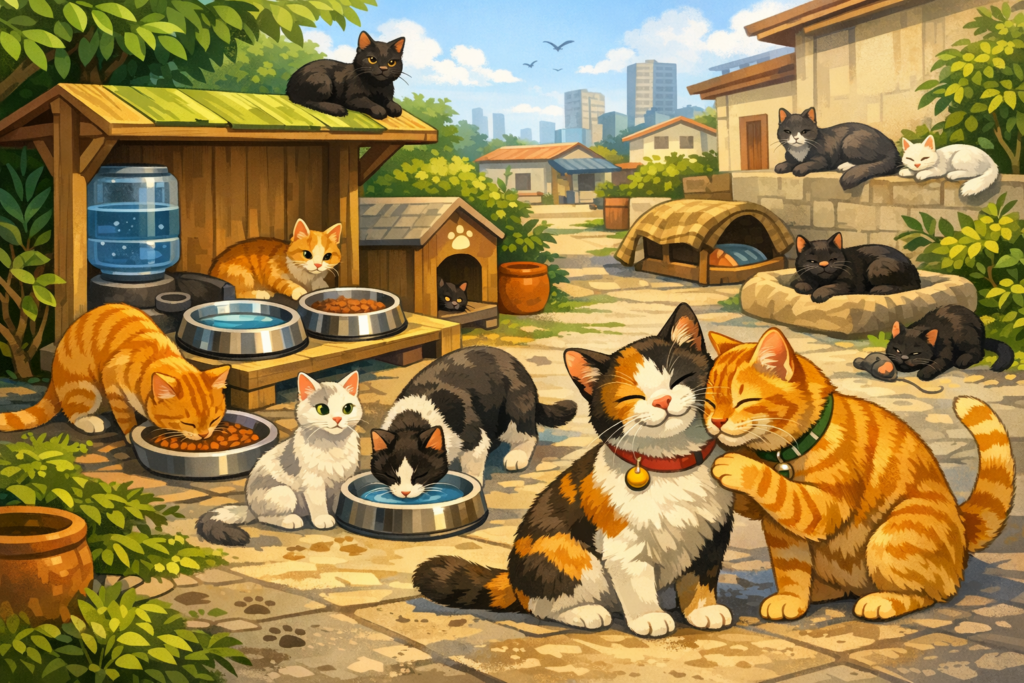
Understanding TNR for Street Cats in India
Managing the population of community animals is a challenge that many animal lovers face, but TNR for street cats—which stands for Trap-Neuter-Return—is the most effective, ethical, and sustainable solution we have. As pet parents and community guardians, we often find ourselves caring for the resilient felines in our neighborhoods. If you are just starting your journey in animal welfare or looking to support the local feline population, visiting our cat hub is the first step toward understanding the unique needs and behaviors of these wonderful, often misunderstood companions.
In the Indian context, where our streets are home to many community cats, TNR is not just about population control; it is about significantly improving the quality of life for the cats themselves. By preventing the constant cycle of breeding, we reduce the physical toll on female cats and minimize the resource-based fighting that often occurs among unneutered males. Research shows that sterilized cats tend to be calmer, healthier, and less prone to territorial disputes, making them safer members of our urban environments.
The Pawsitive Hoomans Take
At Pawsitive Hoomans, we believe that every animal deserves to live a life free from the unnecessary suffering that comes with overpopulation and health complications. We firmly advocate for compassionate intervention through TNR. It is important to emphasize that TNR is a community-driven initiative. It requires patience, coordination with local NGOs, and a commitment to force-free handling. We never support or encourage the relocation of street cats, as they are territorial animals with established food sources and social hierarchies; relocation often leads to increased stress and mortality. Instead, we advocate for managing them exactly where they thrive.
🐾 Keep a complete health record for your pet with our free Pet Passport. Track vaccinations, weight and behaviour in one place.
How TNR Works in Your Community
The process of TNR is methodical. First, you identify the cat. Using a humane trap—never a cage that causes injury or undue distress—you capture the cat. Force-free handling is non-negotiable; we want to ensure the experience is as stress-free as possible. Once trapped, the cat is transported to a qualified veterinary clinic where they are sterilized. Veterinary experts recommend that the cat also receives a rabies vaccination and a small ‘ear tip’ as a universal mark that they have been sterilized and are part of a managed community program. Finally, after a brief recovery period, the cat is returned to the exact spot where they were trapped.
Overcoming Challenges and Building Support
One of the biggest hurdles in India is educating neighbors. Some people may be hesitant about community cats, but by maintaining a clean feeding station and ensuring the cats are vaccinated and sterilized, you show the community that you are a responsible caregiver. Always remember that our goal is coexistence. If you are struggling with a feral cat, reach out to local animal welfare organizations; many have “trap banks” or teams that can assist you in the process. For nutritional support, using our free tools, like the custom diet calculator, can help you manage community feeding schedules if you are providing supplementary food.
The Ethics of Community Care
When you engage in TNR, you are making a long-term commitment. After the cats are returned, they still need access to clean water and, where possible, supplementary nutrition. If a cat appears to be injured or suffering from a health issue that goes beyond standard TNR, please consult a veterinarian immediately. Never attempt to treat medical conditions at home. Always seek professional advice to ensure the welfare of the animal is prioritized above all else.
Not sure what your pet needs? Use our free tools — Emergency Triage Guide or Custom Diet Calculator.
Frequently Asked Questions
Is it safe to return a street cat to the same area after surgery?
Yes, returning a street cat to their original territory is the safest and most effective practice. Cats are highly territorial, and relocating them to a new area disrupts their established food, water, and shelter sources, which often leads to severe stress or failure to survive in the new environment.
How do I know if a cat has already been sterilized?
A sterilized community cat usually has a small, clean V-shaped cut or a straight-line tip at the top of one of its ears. This ‘ear-tipping’ is the internationally recognized mark for TNR programs, meaning the cat has already been neutered and vaccinated against rabies.
Can I start a TNR project if I am not a vet?
Yes, anyone can participate in TNR, but you must work with qualified veterinarians for the surgical procedures. Your role as a community advocate is to identify the cats, arrange for safe transport to the clinic, and ensure the cat recovers properly before returning them to their colony.
What should I do if the cat is too scared to enter a trap?
Patience is key; try ‘pre-baiting’ the trap by placing food inside without setting the trigger for several days so the cat becomes comfortable entering the space. Always ensure you are using a humane trap and monitor it continuously, as leaving a trap unattended can be dangerous for the cat.
By taking these steps to support your local feline population, you become a vital part of their well-being. For those of you managing colonies, keeping track of health and vaccination history is vital; you can organize this using our Pet Passport to ensure you never miss a booster or health check. Always consult a veterinarian for any medical decisions, as their guidance is essential for the health of your community cats.
Disclaimer: Pawsitive Hoomans is an educational platform. We are not veterinarians. The information provided here is for informational purposes only and does not substitute professional veterinary advice. Always consult a licensed veterinarian before making any medical decisions regarding your pet or community animals.